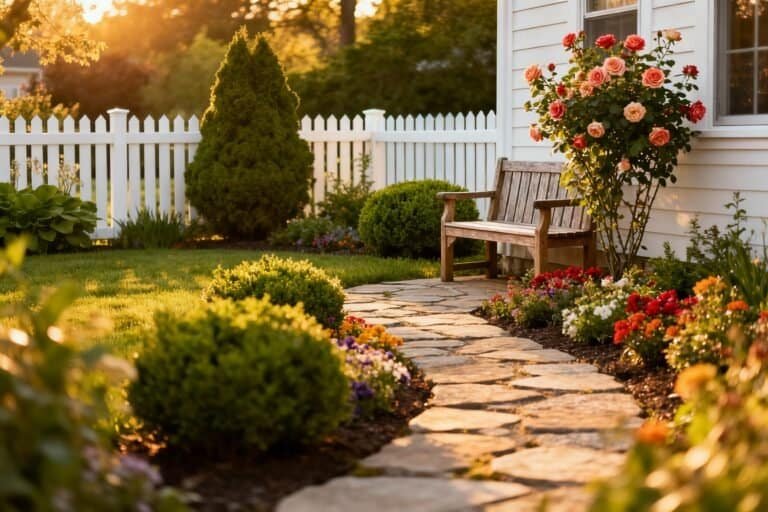
Low-Maintenance Driveway Landscaping Ideas for Busy Homeowners
Your driveway does a lot of heavy lifting—and not just for your tires. It sets the tone for your home before anyone even rings the doorbell. So why leave it as a boring strip of concrete?
With a few smart tweaks, you can turn that utilitarian runway into a legit welcome mat.
Start with a Vision (and a Reality Check)
Before you plant a single shrub, decide the vibe. Clean and modern? Cottage-chic?
Lush and tropical? Pick a lane—pun absolutely intended—and your choices will get way easier. Now the reality check: how much sun hits your driveway, what your climate throws at it, and how much maintenance you’ll actually do.
Be honest with yourself. If you won’t prune, water, and weed, design like you mean it and go low-maintenance from the start.
Design the Edges: Your Secret Weapon
The edges make or break a driveway. Strong borders add structure, boost curb appeal, and keep gravel or mulch from making a run for it.
- Hard edging: Concrete curbs, Belgian block, steel edging, or pavers.Clean lines, long-lasting, zero drama.
- Soft edging: Low-growing plants like liriope, thyme, sedum, mondo grass, or dwarf boxwood. Softens the look and adds color.
- Mixed border: Hard edge next to a planting strip = tidy yet lush. The dream team.
Planting Strip Basics
Aim for a 12–24 inch planting strip if space allows.
Layer it:
- Base layer: Groundcovers (creeping thyme, blue star creeper, ajuga) to fill gaps and suppress weeds.
- Middle layer: Low shrubs or grasses (dwarf boxwood, heuchera, lavender, dwarf fountain grass).
- Accent layer: Seasonal color with bulbs or annuals for a quick punch.
Keep plants a few inches back from the pavement to avoid tire scorch and salt damage, FYI.
Choose the Right Plant Palette
Plants near driveways deal with heat, glare, occasional drought, and sometimes road salt. Not all heroes wear capes—choose tough ones.
- Sun-loving champs: Lavender, rosemary, catmint, yarrow, sedum, Russian sage, daylilies, feather reed grass.
- Shade-tolerant buddies: Hosta, ferns, heuchera, carex, astilbe, hellebore.
- Evergreen structure: Dwarf boxwood, compact holly, juniper, pittosporum (mild climates).
- Pollinator magnets: Salvia, echinacea, monarda, agastache. Your driveway can be a tiny ecosystem.
Height and Sightlines
Please don’t plant a hedge where you need to see traffic.
Keep everything within 3 feet tall near curb cuts and drive exits. Taller statement plants belong farther back from the street for safety and, you know, not backing into stuff.
Surface Upgrades That Actually Do Something
You can get fancy without a full-on renovation. Small surface tweaks deliver big visual payoffs.
- Gravel bands: Replace a 12–18 inch strip of lawn with gravel along the edges.It drains well and looks crisp.
- Paver ribbon driveway: Two parallel tracks with planting or gravel between. Cheaper than full pavers and very cool.
- Stamped or stained concrete: If you already have concrete, add texture or color. It’s like makeup for pavement.
- Permeable pavers: Water sinks in instead of running off.Your yard and local streams will thank you.
Drainage: The Unsexy MVP
Standing water ruins plants and pavement. Add a slight slope away from the house, install a channel drain if necessary, and direct runoff to a rain garden or dry well. IMO, good drainage fixes 80% of driveway landscaping headaches.
Lighting: Function First, Drama Second
Lighting makes everything look intentional and keeps guests from stepping into rose bushes.
- Guide lights: Low path lights every 8–12 feet.Don’t make an airport runway—a little goes a long way.
- Accent lights: Uplight a specimen tree or a cool boulder. Instant high-end vibes.
- Wall or bollard lights: Great for modern styles or long, straight drives.
- Smart or solar options: Motion sensors near the garage and warm color temps (2700–3000K) keep things cozy.
Easy Wins on a Budget
Not ready for a full overhaul? You can still score serious curb appeal without selling a kidney.
- Mulch refresh: A fresh 2–3 inch layer (not volcanoed up plants, please) makes everything pop.
- Container clusters: Large pots at the driveway entrance or near the garage.Mix heights and textures for instant “I tried” energy.
- House numbers + mailbox glow-up: Clean fonts, mounted on a wood or metal plaque, with an accent light. Small change, big impression.
- Edge cleanup: Define a crisp line where driveway meets lawn. It’s the haircut equivalent for your front yard.
Low-Maintenance Plant Combos
Try one of these plug-and-play sets:
- Sunny, dry strip: Lavender + sedum + dwarf fountain grass + creeping thyme.
- Part shade: Heuchera + carex + Japanese forest grass + hosta.
- Evergreen structure: Dwarf boxwood + hellebore + liriope + spring bulbs.
Make Room to Arrive: Entrances and Turnarounds
The transition from street to driveway should feel welcoming, not awkward.
Frame the entrance with plants, stone pillars, or low walls for a sense of arrival. Just don’t pinch the opening—leave space for wide turns and delivery drivers who think they’re in Monaco.
Planting at the Driveway Entrance
- Keep it low near sightlines: Grasses or shrubs under 3 feet.
- Add a focal plant: Japanese maple, olive (mild climates), or a multi-stemmed serviceberry.
- Ground the scene: Boulders or chunky pots add mass and reduce lawn glare.
Seasonality and Color Without the Fuss
You want interest all year, not just spring. Layer your calendar like a pro.
- Spring: Bulbs (daffodils, crocus, tulips) between shrubs.They pop early, then disappear.
- Summer: Perennials like salvia, coneflower, and daylilies carry the show.
- Fall: Ornamental grasses, asters, and mums bring texture and color.
- Winter: Evergreens, red-twig dogwood, and seed heads left for birds. Structure matters when leaves bail on you.
Color Strategy
Pick a palette and stick to it. If your home reads cool (gray, blue, black), lean into whites, purples, and silvers.
Warm homes (tan, brick, cream) love oranges, yellows, and deep greens. Mixed palettes can work, but too many colors = front yard confetti.
Maintenance: Keep It Looking Fresh
I know, you want a set-it-and-forget-it driveway. Same.
But a little monthly attention keeps things crisp.
- Trim back growth so it doesn’t scrape cars or block sightlines.
- Top off mulch once a year and pull weeds before they go full drama queen.
- Check irrigation or hand-water during heatwaves. Driveway heat reflects and fries plants faster.
- Clean hardscape with a light power wash every spring.
FAQs
How wide should planting beds be along a driveway?
If you can spare it, 18–24 inches gives plants room to breathe and keeps them from leaning into the path of your bumper. In tighter spaces, even a 12-inch strip with groundcovers and a clean edge looks polished.
Wider beds near the house or entrance let you layer plants for more depth.
What plants handle heat from pavement?
Look for drought-tolerant, sun-loving varieties: lavender, catmint, sedum, rosemary, Russian sage, and ornamental grasses like feather reed or blue fescue. These shrug off reflected heat and still look good. Mulch around them to keep roots cooler and happier.
Can I use grass right up to the driveway edge?
You can, but it tends to brown out and crumble along the edge from heat and tires.
A narrow band of pavers, gravel, or a plant strip saves you maintenance and looks sharper. IMO, a hard edge plus a low groundcover beats crispy turf every time.
How do I stop gravel from spilling onto the street?
Install a solid border like steel edging, concrete curbing, or pavers flush with the surface. Keep gravel size at 3/8 inch or smaller for compaction, and top-dress yearly.
For longer drives, consider a cellular grid under the gravel to lock it in place.
What’s the best lighting for safety without glare?
Use low, shielded path lights with warm color temperatures, spaced out to avoid hotspots. Add a couple of motion-activated fixtures near the garage. Skip the super-bright floodlights unless you enjoy blinding yourself and your neighbors.
Do I need permits for driveway changes?
Major changes—like widening the curb cut, adding retaining walls, or installing drainage that ties into municipal systems—often require permits.
Simple landscaping, edging, and lighting typically don’t. Quick call to your local planning office = future you avoiding fines, FYI.
Conclusion
Your driveway doesn’t need to feel like a loading dock. With smart edges, tough plants, thoughtful lighting, and a plan for drainage, you can turn it into a welcome experience every day you pull in.
Start small, pick a clear style, and build out in phases. You’ll boost curb appeal, lower maintenance, and enjoy a front yard that actually makes an entrance. IMO, that’s time and money well spent.