Modern Garden Design Trends Every Homeowner Should Know
You don’t need a sprawling estate or a bottomless budget to design a garden that makes your neighbors peek over the fence. You need a plan, a vibe, and a few smart choices. Garden design blends practicality with personality, and yes, you can absolutely do it without a landscape degree.
Ready to build a space that looks great and actually works for your life?
Start with your why (and where)
Before you buy a single plant, figure out what you want from your garden. Do you want a chill coffee nook, a kids’ play area, or a veggie patch that doesn’t become rabbit brunch? Different goals shape different layouts.
Now look at your site. Sun, wind, soil, and slope dictate what thrives. Watch how the light moves during the day. Notice where water puddles after rain.
You’ll design smarter when you work with your site, not against it.
Quick site checklist
- Sun map: Track morning vs. afternoon sun for a week.
- Soil test: Get a basic kit for pH and nutrients (cheap and worth it).
- Drainage: After rain, note soggy spots and runoff paths.
- Microclimates: Walls store heat, corners trap frost, fences block wind.
Sketch a simple plan (seriously, on paper)
You don’t need fancy software. A pencil and a rough scale drawing will do. Start with your house, doors, paths, and utilities (don’t plant on top of pipes unless you enjoy chaos).
Then add zones.
Think in zones, not plants
- Arrival zone: Front entry, curb appeal, clear sightlines.
- Living zone: Patio, dining, lounging, fire pit…or all of the above.
- Production zone: Veggies, herbs, compost, maybe a tiny orchard.
- Wild zone: Habitat corner with natives, pollinator buffet, bird-friendly trees.
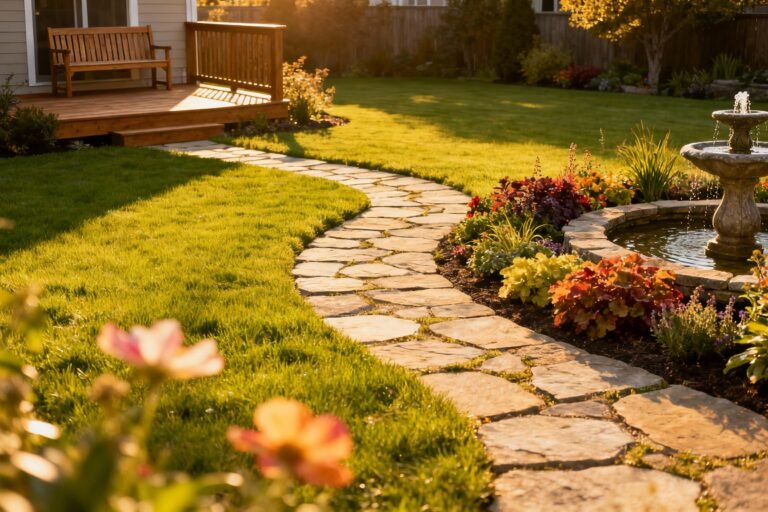
FYI, paths tie everything together. Design them first. You’ll avoid that awkward “trampling through daisies to reach the grill” situation.
Pick a style that fits your personality (and maintenance level)
You can blend styles, but start with a vibe.
It helps you make consistent choices and avoid random plant-shopping sprees. (We’ve all done it.)
- Modern minimal: Clean lines, bold shapes, limited palette, grasses + architectural shrubs.
- Cottage chaos (but curated): Layers of perennials, edible herbs mixed in, winding paths.
- Mediterranean chill: Gravel, olives or hardy substitutes, lavender, thyme, warm stone.
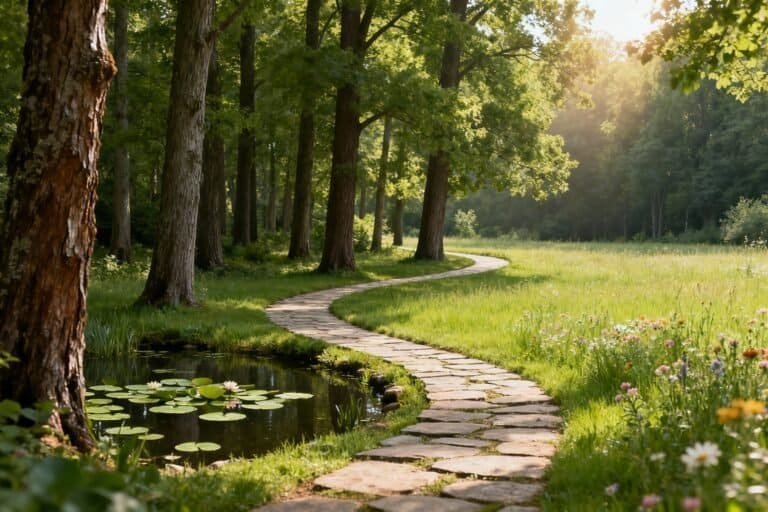
- Woodland retreat: Dappled shade, ferns, hostas, winding bark paths, birdbaths.
- Urban pocket: Containers, vertical trellises, wall planters, small trees like Japanese maple.
IMO, your style should match how much time you want to spend maintaining it. Modern minimal = less weeding. Cottage style = more trimming but more romance.
Choose your chaos level wisely.
Structure first, plants second
Plants come and go. Structure anchors your design year-round. That means:
- Hardscaping: Patios, decks, raised beds, edging, steps.
- Evergreens and trees: Backbones that give shape in winter.
- Lines and edges: Clear boundaries make gardens look finished.
Install structure before you plant the fluff. You’ll avoid digging up your favorites to fix a wobbly path later.
Ask me how I know.
Path pro tips
- Go wider than you think: 36 inches for main paths, 24 for secondary.
- Choose materials that match your style: gravel, pavers, decomposed granite, brick.
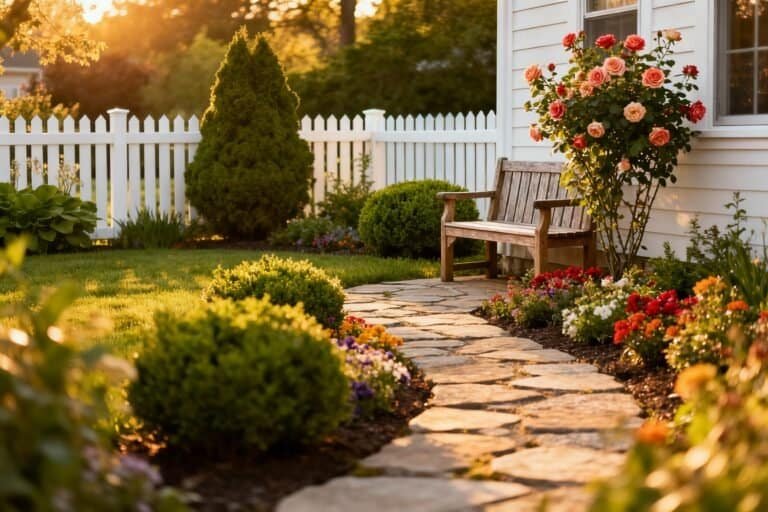
- Use gentle curves, not rollercoaster loops. Flow, not drama.
Choose plants with a plan (not just vibes)
Plant selection can feel overwhelming, so narrow it down:
- Climate and water: Pick species that thrive in your zone and rain patterns. Drought-tolerant where needed.
- Layering: Trees, then shrubs, then perennials, then groundcovers.Build depth and texture.
- Seasonality: Aim for interest spring through winter: blooms, foliage, bark, berries.
- Repetition: Repeat key plants and colors for cohesion.
- Pollinators: Choose nectar-rich, pesticide-free options. The bees will write you thank-you notes.
Fail-safe plant combos
- Sunny modern bed: Feather reed grass + Russian sage + coneflowers + a boxwood anchor.
- Shade charm: Japanese maple + ferns + hostas + heuchera + woodland phlox.
- Low-water edge: Lavender + rosemary + sedum + blue fescue + agastache.
Color, shape, and texture: your secret weapons
Color gets all the attention, but texture and form do the heavy lifting. Mix fine textures (grasses) with bold leaves (hosta).
Play spiky against round. Use dark foliage as a backdrop for bright flowers.
Easy color rules that don’t hurt your brain
- Pick a palette: 2-3 main colors + 1 accent. Repeat them.
- Cool colors: Blues and purples recede and calm.
- Warm colors: Reds and oranges pop and energize.
- White: Night-friendly.Glows in evening light.
And don’t forget foliage color: burgundy, silver, chartreuse, variegated. Flowers come and go; foliage sticks around.
Water, soil, and the not-so-sexy stuff
Beautiful gardens run on good systems. Boring, but true. Soil quality beats fancy fertilizers every time.
Add compost, mulch annually, and avoid compacting soil by stepping in beds.
Irrigation without headaches
- Drip irrigation: Efficient, targeted, and easy for beds.
- Smart timers: Adjust watering to weather. Save cash and plants.
- Rain barrels: Free water, great for containers and new plantings.
Mulch is your bestie: it retains moisture, suppresses weeds, and makes everything look finished. Just keep it off plant stems like the plague.
Small spaces, big impact
Working with a balcony or tiny yard?
You can still crush it. Think vertical: trellises, wall planters, skinny trees like Amelanchier or columnar hornbeam. Use containers in clusters for drama.
- Scale: One big pot looks better than five tiny ones.
- Multipurpose furniture: Benches with storage, foldable tables.
- Lighting: String lights, solar stakes, lanterns.Instant magic.
IMO, a small garden forces better design decisions. Limit your palette, repeat plants, and let textures shine.
Wildlife-friendly without the mess
You can support birds and pollinators while keeping things tidy. Choose native plants, add a clean-lined birdbath, and leave seed heads on some perennials for winter snacks.
Neaten edges with crisp borders so your neighbors don’t send passive-aggressive texts.
Easy habitat upgrades
- Bloom succession: Early (crocus), mid (salvia), late (asters), winter interest (holly, grasses).
- Nesting spots: Shrubs, a small brush pile tucked away, or bird boxes.
- Chemical-free: Ditch broad-spectrum pesticides. Spot-treat if you must.
Maintenance you’ll actually do
Design for your future self, the one who doesn’t want to spend every weekend clipping things. Group plants by water needs.
Install edging that keeps grass out of beds. Choose shrubs that naturally stay the right size so you don’t play hedge barber every month.
Seasonal rhythm
- Spring: Cut back perennials, top up mulch, divide overcrowded clumps.
- Summer: Deadhead for longer bloom, check irrigation, spot-weed weekly.
- Fall: Plant trees and shrubs, add bulbs, leave some seed heads.
- Winter: Prune when appropriate, plan changes, order seeds.
Keep tools handy in a weatherproof box. If you can grab them in 10 seconds, you’ll actually do the thing.
Budget-friendly moves that look high-end
You can stretch your budget without the “DIY gone wrong” look.
- Focus on structure: One great path and a tidy edge beats 50 random plants.
- Buy small, plant young: Plants establish faster and cost less.
- Divide and conquer: Share perennials with neighbors.Free is a good price.
- Gravel works: Affordable patios and paths with solid style.
FYI, lighting upgrades deliver huge ambiance for little money. A few solar stakes and a lantern or two can transform evenings.
FAQ
How do I make a small garden feel larger?
Use repetition and fewer plant varieties to calm visual noise. Create sightlines with a focal point at the far end: a sculpture, bench, or urn.
Choose cool colors and fine textures to make spaces recede, and run paths diagonally to cheat the eye.
What’s the easiest garden style for low maintenance?
A modern, drought-tolerant scheme with structural shrubs, ornamental grasses, and tough perennials. Mulch well, add drip irrigation, and stick to a tight plant palette. You’ll get clean lines, year-round interest, and minimal fuss.
How can I add privacy without building a fence?
Layer plants at different heights.
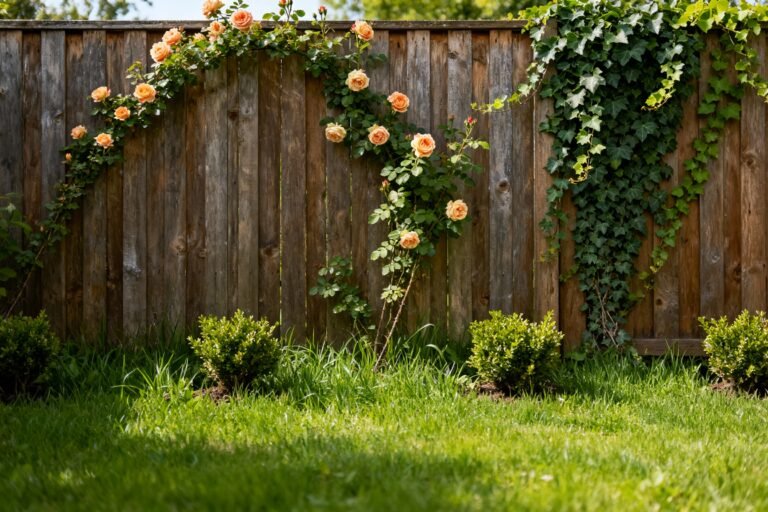
Use columnar trees (like ‘Sky Pencil’ holly or Italian cypress in the right climate), tall grasses, and pergolas with vines. A trellis panel with evergreen climbers screens views fast and looks intentional.
When should I plant for the best results?
Plant trees and shrubs in fall so roots establish in cool, moist soil. Perennials also love fall, though spring works fine.
Avoid peak summer heat unless you enjoy daily watering and stressed plants.
Do I need landscape fabric?
Usually no. It can block soil health and trap moisture in weird ways. Mulch does a better job, and you can top it up annually.
Use fabric only under gravel paths where you want to stop soil mixing, not in plant beds.
How do I choose the right mulch?
Use shredded bark or wood chips for beds; they break down and feed soil. Use gravel for Mediterranean or xeric designs. Keep mulch 2-3 inches deep and pull it a few inches back from stems and trunks to prevent rot.
Conclusion
Garden design isn’t about perfection; it’s about intention.
Decide how you want to live outside, build a simple structure, then layer plants with purpose. Keep maintenance realistic, add a few lights, and repeat your best moves. Do that, and your garden will feel like it belongs to you—because it does.
IMO, that’s the whole point.