Lotus Flower Benefits: Uses in Wellness, Beauty & Home Decor
Lotus flowers don’t ask for attention—they command it. One look at those silky petals floating above murky water and you get it: elegance with a side of resilience. They bloom clean in places that look anything but.
And that symbolism? It’s not hype. The lotus earned its legend the hard way.
Meet the Lotus: A Flower With Serious Main-Character Energy
The lotus (Nelumbo nucifera) shows up in ancient art, modern tattoos, meditation apps, and your neighbor’s backyard pond.
Coincidence? Not really. This plant blends beauty, symbolism, and survival skills in a way few others do. It’s native to Asia and Australia but thrives in warm, still waters worldwide.
It sends long stems through mud, opens its petals to the sun, and calmly ignores your expectations. It’s basically the botanical version of “rise and shine.”
How It Thrives: The Lotus Playbook
Lotus plants live in shallow ponds, lakes, and slow rivers. Their roots anchor in mud while leaves and flowers float or hold themselves above the water. They mastered the art of staying clean, even when everything around them isn’t.
- Hydrophobic leaves: The famous “lotus effect” means water beads up and rolls off, taking dirt with it.
Nature’s self-cleaning tech.
- Sun-powered blooms: Flowers track sunlight, open during the day, and close at night like introverts at a party.
- Smart structure: Spongy stems keep the plant buoyant and flexible in wind and waves.
The Science Behind the Shine
Those leaves have microscopic bumps coated with waxy molecules. Water can’t spread out on that surface, so droplets stay spherical and pick up dust as they slide off. FYI: Engineers literally study this for self-cleaning materials. Nature did it first.
Of course.
Symbolism: Clean Petals, Deep Meaning
Let’s not pretend the lotus became a spiritual icon by accident. It grows from muck yet looks pristine—so people saw a metaphor and ran with it.
- In Buddhism: The lotus represents enlightenment, purity, and the journey of the soul. Each color carries nuance—white for spiritual perfection, blue for wisdom, pink for the Buddha.
- In Hinduism: It symbolizes divine beauty and cosmic order.
Lakshmi and Vishnu often sit on lotuses like they booked the best seat in the universe.
- In Egyptian lore: The blue lotus (technically a water lily) ties to rebirth and the sun. The flower opens with daylight—pretty on the nose, but poetic.
Tattoos and Modern Takes
Lotus tattoos often shout “growth” and “new beginnings,” and IMO they age well because the symbol carries a whole worldview. Whether minimal line art or full watercolor, it gets the point across: progress without perfection.
Lotus vs.
Water Lily: Yes, There’s a Difference
People mix them up constantly. They’re like cousins who shop at the same store but don’t share closets.
- Leaves: Lotus leaves stand above water like little umbrellas; water lily leaves float on the surface.
- Flowers: Lotus blooms rise on tall stalks; water lilies chill on the surface.
- Seed pods: Lotus seed heads look like showerheads (you’ve seen them in artsy decor). Water lilies don’t do that.
Quick Visual Cheat Sheet
If the flower sits on the water, think water lily.
If it hovers above it like it’s levitating, that’s your lotus.
Growing Lotus at Home Without Losing Your Mind
You can absolutely grow lotus at home. It’s not a houseplant, though—think patio tub, pond, or big container. Start simple and go for dwarf cultivars if space runs tight.
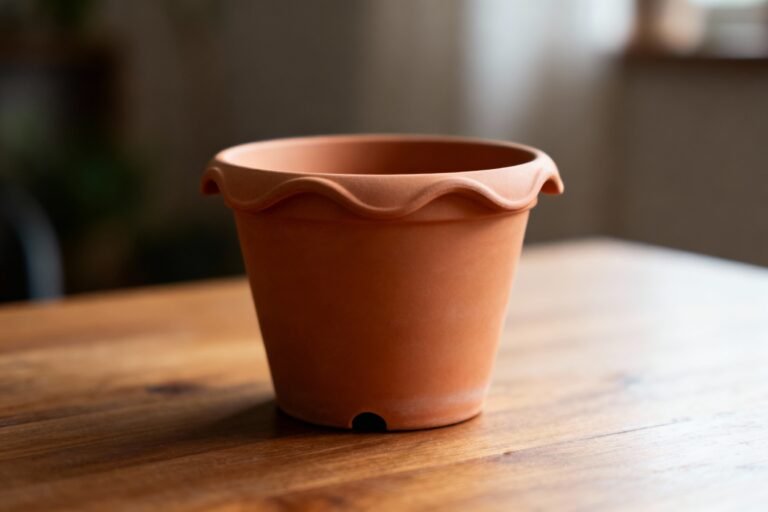
- Choose a container: Wide and shallow works best—no drainage holes. A 15–20 inch diameter tub gets you started.
- Use heavy soil: Garden loam, not potting mix.
Potting soil floats and makes a mess. Add a layer of pea gravel on top.
- Plant rhizomes horizontally: Tuck the growing tips just under the soil. Don’t snap them—handle gently.
- Submerge gradually: Start with a few inches of water above the soil.
Raise to 6–12 inches as leaves grow.
- Full sun: At least 6 hours daily. More sun = more blooms.
- Fertilize during active growth: Use pond plant tabs monthly in spring and summer. Stop in fall.
Common Mistakes (So You Don’t Make Them)
- Too deep too soon: Young plants drown easily.
Keep water shallow at first.
- Using potting soil: It floats like confetti. Skip it.
- Cold temps: Lotus crave warmth. Protect from frost; overwinter rhizomes if you live in colder zones.
Food, Medicine, and Everything in Between
The lotus isn’t just a pretty face.
Many parts are edible and show up in cuisines across Asia.
- Rhizomes (roots): Crunchy, lightly sweet, great in stir-fries and soups. Those lace-like cross sections look fancy with zero effort.
- Seeds: Eaten fresh or dried, popped like popcorn, or made into paste for desserts. FYI: Dried lotus seeds can stay viable for centuries—talk about shelf-stable.
- Leaves: Used as wraps for steaming rice and fish, adding a delicate fragrance.
- Tea: Petals and stamens show up in herbal teas meant to relax and reset.
Nutritional Notes
Rhizomes bring fiber, vitamin C, potassium, and a respectable crunch factor. Seeds pack protein and complex carbs.
It’s wholesome comfort food, IMO.
Design and Mindfulness: The Calm Factor
Lotus ponds transform spaces. They invite stillness without trying too hard. If you want instant zen (and maybe fewer mosquitoes), add movement and balance.
- Circulation: A small bubbler or gentle fountain keeps water aerated and discourages pests.
- Companion plants: Mix in floating oxygenators like hornwort or submerged plants to keep water clear.
- Lighting: Soft path lights or lanterns near the pond make night blooms feel cinematic.
Mindful Moments
Try this: sit by a lotus pond and just watch one bloom for a few minutes.
The slow opening feels like time stretching. Cheesy? Maybe.
Effective? Absolutely.
FAQ
Can I grow lotus indoors?
You can try, but it’s tricky. Lotus need bright, direct light and warmth, plus a water container that most living rooms don’t appreciate.
A sunny sunroom or heated greenhouse? Perfect. A dim corner by the couch?
Hard pass.
How long does it take for lotus to bloom?
From a rhizome, expect leaves within weeks and blooms in mid to late summer. Many varieties need a full warm season before they show off. If yours skips the first year, don’t panic—it’s building energy.
Do lotus flowers really stay clean?
Yes.
Thanks to the “lotus effect,” water beads carry away dirt and microbes. The leaf’s microstructure makes that magic happen. That’s why it became a metaphor for purity—science and symbolism holding hands.
Are lotus and blue lotus the same?
No.
Sacred lotus (Nelumbo nucifera) differs from “blue lotus,” which usually refers to Nymphaea caerulea, a water lily. Different genera, different habits, similar vibes. Labels matter, especially if you’re buying seeds.
Will lotus take over my pond?
It can spread if you let it.
Use containers inside the pond to confine rhizomes. Remove extra growth yearly. Controlled lotus equals serene beauty; uncontrolled lotus equals underwater land grab.
Is every part of the lotus safe to eat?
Culinarily used parts—rhizomes, seeds, young leaves—are common in many cuisines when prepared properly.
Always source from clean water and avoid ornamental plants treated with chemicals. When in doubt, buy from reputable food suppliers.
Conclusion
The lotus proves you can bloom brilliantly without pretending the mud doesn’t exist. It bridges science and spirituality, kitchen and koi pond, art and everyday calm.
If you want a plant that looks gorgeous, tells a story, and quietly flexes its resilience, the lotus checks every box. Plant one, sip some tea, and let the petals do the talking.