Small Patio Ideas to Maximize Space and Comfort
Patio paralysis is real. You want a space that feels like your favorite vacation spot, but you don’t want to spend a fortune or wait six months for it. Good news: you can create a gorgeous patio without drama.
Let’s talk layouts, materials, lighting, and all the little upgrades that turn a slab into a hangout.
Start With a Vibe: What’s Your Patio Personality?
You don’t need a design degree. You just need a vibe. Do you host dinners, or do you sprawl with a book and iced tea?
Pick one main purpose and let everything else support it.
- Entertainer mode: You’ll want a dining zone, extra seating, and easy access to the kitchen.
- Chill zone: Think loungers, a shade solution, and side tables for drinks.
- Hybrid setup: Use zones—one for eating, one for lounging, maybe a fire feature in between.
Pro tip: Plan traffic flow. Leave clear paths from the door to the seating and grill so no one hurdles a planter on burger night.
Choose Materials That Work Hard (and Look Good)
You’ve got options, and they all come with trade-offs. Don’t overcomplicate it—match your choice to your climate, budget, and maintenance tolerance.
- Concrete: Affordable, durable, and crazy versatile.Stain it, stamp it, or score it for a modern grid look.
- Pavers: DIY-friendly and fixable. If a piece cracks, pop it out and replace it. Tons of styles and patterns.
- Natural stone: Gorgeous and timeless.Also pricier and heavier. Slate, bluestone, and travertine bring serious character.
- Gravel: Budget win with great drainage. Add a border to keep it tidy and choose larger pea gravel so chairs don’t sink.
- Composite decking (for raised patios): Low-maintenance, consistent color, no splinters.Your toes will thank you.
Pattern Play That Elevates Everything
Want designer vibes without the designer invoice? Use pattern. A herringbone paver layout or a large-format concrete grid with gravel joints looks custom.
For stone, mix sizes and keep the color palette tight to avoid chaos.
Shade: Because Sunburns Aren’t a Hobby
Patios without shade become frying pans. You have choices at every price point.
- Umbrellas: Affordable and flexible. Get a tilt function and a heavy base.Buy once, cry never.
- Pergolas: Add structure and style. Train vines, add slats, or use a retractable canopy for control.
- Shade sails: Modern and fun. Overlap two for drama and better coverage.Ensure proper slope for water runoff.
- Retractable awnings: Practical for south-facing patios. Motorized if you want to feel fancy.
Plant Shade That Gets Better Every Year
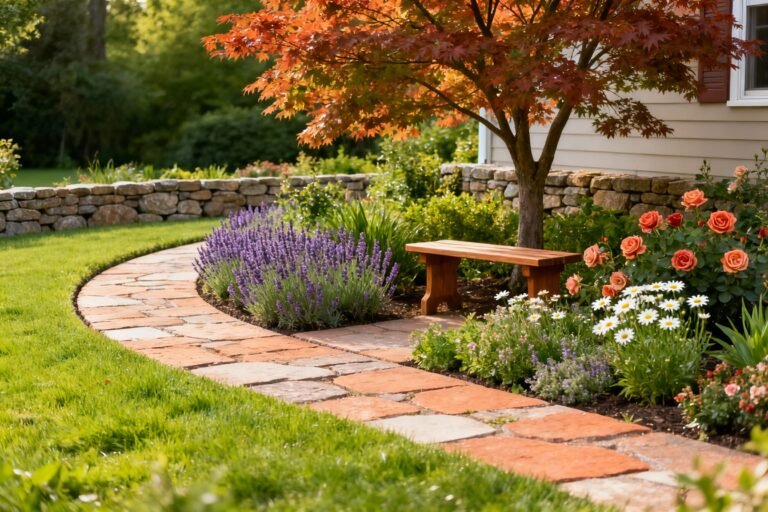
For long-term cool, plant a small ornamental tree near the patio—think Japanese maple, crape myrtle, or serviceberry. You get shade, blooms, and birds.
Win-win.
Seating That Invites People to Linger
Let’s talk the stuff you actually sit on. Comfort first, style second, but yes—both matter.
- Modular sectionals: Rearrangeable and perfect for parties. Add a low table for snacks and a high one for laptops.
- Built-in benches: Hug the perimeter to save space.Add storage under the seat for cushions or games.
- Dining sets: Choose chairs with arms for longer meals. Round tables help small spaces feel social.
- Statement loungers: Two comfy loungers + side table = instant resort energy.
Outdoor Fabrics That Don’t Freak Out at Weather
Look for solution-dyed acrylic or olefin. They resist fading, dry fast, and wipe clean.
FYI, zippered cushion covers make washing painless, and light patterns hide pollen better than solid dark colors.
Heat, Light, Action: The Evening Upgrade
Your patio should glow like a cozy scene from a movie. Lighting and heat make it happen.
- String lights: Zigzag them across a pergola or mount poles around the perimeter. Warm white only—no spaceship blues.
- Lanterns and candles: Cluster three sizes for depth.Use LED candles if wind makes you rage.
- Path and step lights: Safety plus ambiance. Solar works, but hardwired gives consistent brightness.
- Fire pits: Gas for convenience, wood for romance. Keep a 10-foot clearance from structures and check local codes.
- Patio heaters: Propane models bring the heat; electric infrared works great under covered areas.
Sound Without Annoying the Neighbors
Use weatherproof Bluetooth speakers and aim them toward the house, not the property line.
Low, even background music beats blasting any day. Plants and fences help absorb sound too—your neighbor will thank you.
Greenery That Doesn’t Become a Chore
Plants make your patio feel alive, but you don’t need a jungle to get the effect. Mix heights and textures to create structure.
- Planters: Use three sizes: tall, medium, and low.Group them at corners and entries to frame the space.
- Evergreens: Boxwood, dwarf conifers, or holly anchor the look year-round.
- Seasonal color: Add annuals for pops of color—calibrachoa, lantana, or geraniums work hard.
- Herb rail planters: Basil, thyme, and mint add scent and cocktails. Mint stays in a pot or it takes over like a sitcom plotline.
Irrigation Without Fuss
Install a drip line that snakes through your planters. Add a battery timer at the spigot and boom—consistent watering with zero nagging.
Mulch the pots to keep moisture in and roots happy.
Layouts That Actually Work
Winging layout leads to cramped, awkward spaces. Measure and sketch first. Then use these quick rules:
- Dining zone: Allow 36–48 inches around the table for chairs and movement.
- Lounge zone: Keep 18 inches between seating and the coffee table for legroom.
- Grill station: Leave 3 feet on either side for prep and safety; keep it away from open flames or fabric.
- Walkways: Minimum 36 inches so two people can pass without becoming best friends.
Small Patio?
Go Vertical
Use slim-profile furniture, wall-mounted lights, and vertical planters. Choose a round bistro table and armless chairs to save space. A rug that’s almost the full width makes the area feel bigger—optical illusions for the win.
Budget-Friendly Upgrades With Big Impact
You don’t need a full renovation to transform your patio.
Try these quick wins:
- Outdoor rug: Defines the zone and adds color. Pattern hides crumbs—ask me how I know.
- Paint the door: A punchy color ties your indoor and outdoor styles together.
- DIY planter bench: Two planters + a wood plank = instant seating with greenery.
- Layer pillows and throws: Choose 2-3 colors and repeat them. Instant cohesion.
- Upgrade hardware: Swap in matte black or brass for lights and hose bibs for a subtle glow-up.
FAQ
What size should my patio be?
Aim for at least 8×10 feet for a small lounge or bistro setup.
For dining, 12×12 feet fits a table and chairs comfortably. If you can, size up—IMO, extra room always gets used, especially around the edges for plants and storage.
Do I need a permit for a patio?
Sometimes. Ground-level patios with pavers or gravel usually slide by, but concrete slabs, decks, and gas lines often require permits.
Check your local code office before you pour anything—saves headaches and fines, FYI.
What’s the best low-maintenance material?
Concrete or composite decking win for low fuss. Sealed concrete handles weather like a champ, and composite never needs staining. If you want repairable flexibility, choose pavers—you can swap a damaged piece in ten minutes.
How do I keep cushions from getting gross?
Choose solution-dyed outdoor fabrics and store cushions in a deck box when storms roll in.
Add breathable covers during pollen season. Clean quarterly with mild soap and a soft brush—skip harsh bleach unless the label says it’s safe.
Can I put a fire pit on a wooden or composite deck?
Yes, with precautions. Use a fireproof pad under wood-burning pits, maintain clearances, and keep a hose or extinguisher nearby.
Gas fire tables run cooler and usually work better on decks, but always check manufacturer guidance.
How do I keep mosquitoes away?
Eliminate standing water, run a fan to disrupt flight paths, and add citronella or lemongrass near seating. For serious relief, try a perimeter misting system or a Thermacell. And wear repellent at dusk—nature respects no one.
Conclusion
You don’t need a magazine shoot to have a patio that feels amazing.
Pick a vibe, choose materials that match your life, and layer in shade, lighting, and plants. Start small if you need to, then tweak as you live in it. Before long, your patio becomes the place you actually use—no staging required, IMO.