Gardenia Plant Care: Complete Guide to Growing Fragrant Blooms
Gardenias don’t whisper; they announce themselves. One bloom can perfume a whole room and make you wonder why every plant can’t be this extra. They look like porcelain, smell like heaven, and—FYI—act like divas.
Give them what they want, and they’ll reward you big time. Ignore their needs, and they’ll drop buds like dramatic mic drops.
Meet the Gardenia: Beauty with a Backstory
Gardenias hail from warm, humid parts of Asia and Africa, and they’ve charmed gardeners for centuries. You’ll spot them in classic Southern gardens, wedding bouquets, and, honestly, any place that appreciates a lush vibe.
They’re evergreen shrubs with glossy leaves and creamy, swirled flowers that look sculpted. Here’s the catch: gardenias demand the right conditions. Think bright light, warm temps, consistent moisture, and slightly acidic soil.
Not hard, but not “set it and forget it” either.
Light, Temp, and Humidity: Set the Mood
These plants love attention, and light counts as attention. Give your gardenia bright, indirect light indoors or morning sun with afternoon shade outdoors.
- Light: 4–6 hours of gentle sun or very bright filtered light. South or east-facing windows rock.
- Temperature: Keep days around 65–75°F (18–24°C) and nights around 60–65°F (15–18°C).
- Humidity: They thrive at 50%+.
Dry air = crispy leaves and bud drop.
Humidity Hacks That Actually Work
- Place the pot on a pebble tray with water (pot sits above the water).
- Run a small humidifier nearby—easy mode, IMO.
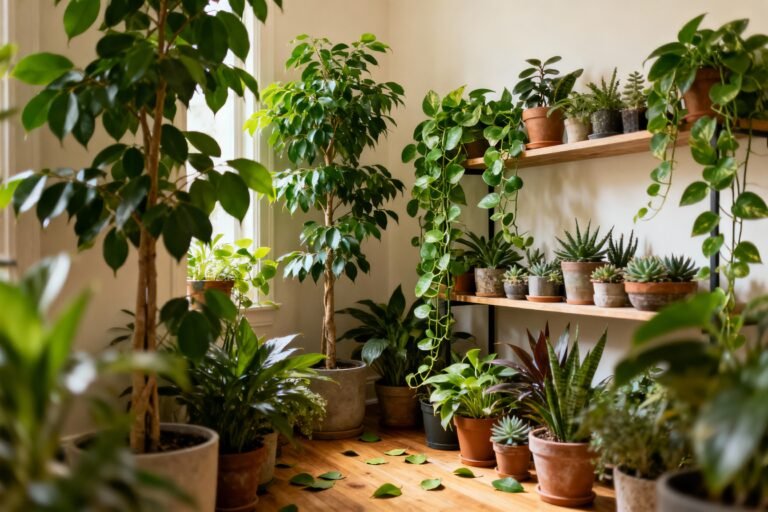
- Group plants to create a mini microclimate. Plant party!
Soil and Water: The Diva’s Diet
Gardenias want moisture but despise soggy roots. Overwatering punishes you with yellow leaves.
Underwatering punishes you with crinkly buds. Choose your chaos.
- Soil: Use an acidic, well-draining mix—azalea/camellia soil or a blend of potting soil + pine bark + perlite.
- pH: Aim for 5.0–6.0. Slightly acidic keeps nutrients available.
- Water: Keep the soil evenly moist.
Water when the top inch feels dry. Use rainwater or filtered water if your tap runs alkaline.
Pro Tip: Don’t Drown It
Make sure your pot has drainage holes. Empty saucers after watering.
If the soil stays wet longer than 3–4 days, the mix drains too slowly.
Feeding and Flower Power
You want lots of blooms? Feed regularly, but not like you’re trying to win a fertilizer contest. Gardenias get picky when hungry.
- Fertilizer: Use an acid-loving plant food (azalea/camellia formula).
Apply every 4–6 weeks in spring and summer.
- Micronutrients: Iron and magnesium matter. Yellow leaves with green veins = iron deficiency. Epsom salt (magnesium sulfate) once or twice in the season can help, but don’t overdo it.
- Stop feeding in late summer to avoid soft, frost-tender growth.
Bud Drop: The Heartbreak Explained
Gardenias drop buds when stressed.
What stresses them?
- Sudden temp swings or cold drafts
- Low humidity or inconsistent watering
- Not enough light
- Root disturbance during bud set
Stabilize the environment, and you’ll save most buds. Think “spa day,” not “boot camp.”
Pruning, Potting, and Propagation
You don’t need to sculpt a bonsai (unless you want to—respect). A little cleanup goes a long way.
- Prune lightly right after flowering.
Snip dead or crossing branches and shape the plant.
- Deadhead spent blooms to keep things tidy and reduce disease risk.
- Repot every 2–3 years in late winter or after flowering. Go up one pot size only.
Propagation: Free Plants? Yes, Please
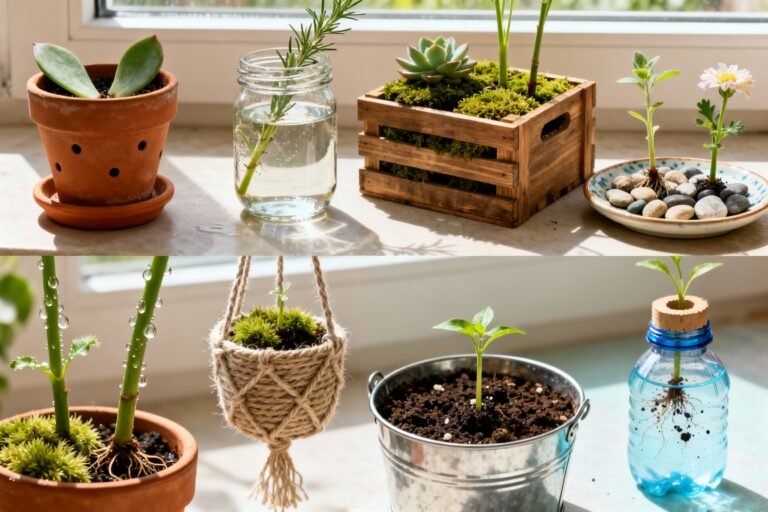
Take 4–6 inch semi-hardwood cuttings in late spring or early summer.
- Remove lower leaves and dip the cut end in rooting hormone.
- Stick in a moist mix of perlite and peat or a seed-starting medium.
- Cover with a humidity dome or plastic bag (not touching leaves).
- Keep warm and bright.
Roots appear in 4–8 weeks.
Common Pests and Problems (And How to Win)
Even divas attract drama. Catch issues early, and you’ll bounce back fast.
- Aphids/whiteflies/scale: Check leaf undersides and stems. Blast with water, then use insecticidal soap or horticultural oil weekly until gone.
- Spider mites: Fine webbing and stippled leaves scream mites.
Increase humidity and use miticide or neem oil.
- Sooty mold: Black residue means pests excreting honeydew. Treat the pests; wipe leaves with a damp cloth.
- Yellow leaves: Could be overwatering, poor drainage, or nutrient deficiency. Adjust watering first, then consider iron/magnesium.
- Leaf drop: Drafts, sudden moves, or low light.
Park your plant somewhere steady and bright.
Outdoors vs. Indoors
– Outdoors: Zones 8–11 are ideal. Plant where they get morning sun and afternoon shade, in acidic soil with mulch.
Protect from harsh winds. – Indoors: Bright window, humid air, and a consistent routine. Rotate the pot monthly for even growth.
Choosing the Right Gardenia (Because Not All Are Equal)
Different cultivars fit different spaces. Pick your player:
- Gardenia jasminoides ‘Veitchii’: Compact, loads of blooms, great for containers.
- ‘Kleim’s Hardy’: More cold-tolerant, single flowers with a strong scent; good for borderline climates.
- ‘August Beauty’: Larger shrub with big double blooms; blooms heavily in late spring.
- ‘Radicans’ (dwarf): Low-growing, perfect for edging or small pots.
What About Scent Strength?
All gardenias smell amazing, but some punch harder.
Doubles often give a richer fragrance, while singles can bloom more freely. If you want maximum perfume, grow one near a door or walkway so you actually experience it. Plants are not museum pieces—sniff them.
Seasonal Care: A Simple Year-Round Plan
Let’s make this easy, IMO.
- Spring: Resume feeding.
Prune lightly after first flush. Repot if needed.
- Summer: Water consistently. Shade from harsh afternoon sun.
Watch for pests.
- Fall: Taper feeding. Keep conditions stable to set buds for winter or next spring.
- Winter: Bright light, fewer waterings, higher humidity. Keep away from heater vents and cold windows.
FAQ
Why do my gardenia buds drop before opening?
Stress does it.
Fluctuating temps, low humidity, or inconsistent watering usually trigger bud drop. Ensure bright light, steady moisture, and no drafts. Also check for pests, because sap-suckers love buds.
Can I grow gardenias from seed?
You can, but cuttings make life easier.
Seeds take longer, vary wildly, and won’t always match the parent plant. If you like surprises, go for it. If you like results, stick to cuttings.
Do gardenias need acidic fertilizer every time?
Use an acid-loving formula during active growth, but don’t overfeed.
Every 4–6 weeks in spring and summer works. If leaves show chlorosis (yellow with green veins), add a chelated iron supplement per label.
Are gardenias toxic to pets?
Mildly, yes. Ingesting leaves or flowers can cause GI upset in cats and dogs.
Keep plants out of snacking range and call your vet if your furry roommate goes for a taste test.
Can I keep a gardenia in low light?
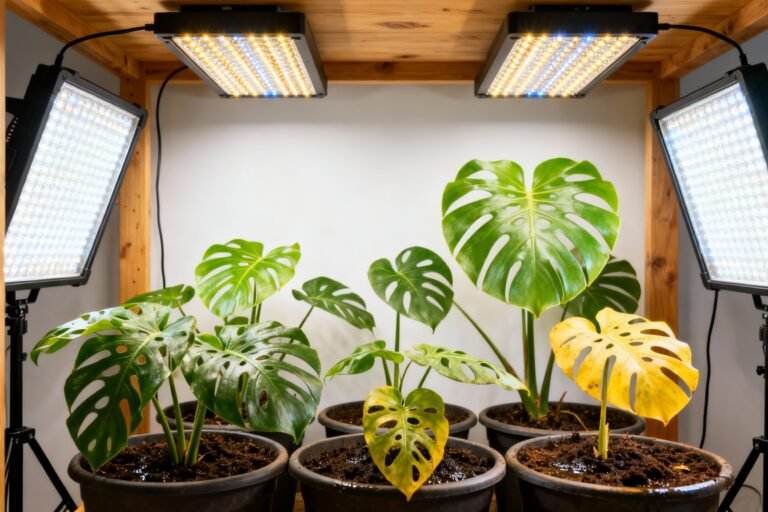
Not happily. Gardenias sulk in dim corners. Use a grow light if your window falls short—bright, 12–14 hours daily.
You’ll get healthier leaves and way more blooms.
What’s the best container for an indoor gardenia?
A breathable pot with drainage—terra-cotta or ceramic with holes. Pair it with a saucer you actually empty. Choose a size that fits the root ball with an inch or two to spare; oversized pots stay too wet.
Conclusion
Gardenias ask for a little extra, but they give you elegance and fragrance like few plants can.
Dial in bright light, stable temps, humidity, and acidic, well-draining soil, and you’ll grow a showstopper. Treat them like the icons they are, and they’ll reward you with glossy leaves and swoon-worthy blooms. And if they get fussy?
Adjust, don’t panic—every diva needs a good manager.