Indoor Plant Display Shelves, Stands & Wall Designs You’ll Love
Your home deserves more than a lonely pothos hanging on for dear life. Plants can do drama, texture, architecture—if you actually give them a stage. Let’s build displays that turn your living room into a tiny botanical gallery instead of a jungle gym for your cat.
Ready to make your plants look like they belong on a magazine cover?
Start With the Light: Your Invisible Designer
Before you buy a single shelf, learn your light. It decides everything—what plants go where, how they grow, and whether they thrive or slowly plot their exit. South and west windows bring big energy. Pile on sun-lovers like cacti, jade, and bird of paradise. East light feels gentle—perfect for peperomia, ferns, and calatheas. North light sits calm and cool—snake plants, ZZ plants, and pothos say “no problem.”
Quick Light Check
- Hold your hand a foot from the wall.
Sharp shadow = bright light. Soft shadow = moderate. No shadow = low light.
- Check for hot spots.
Afternoon west light can torch leaves—use sheer curtains when in doubt.
- Rotate pots every couple weeks for even growth. Lopsided monsteras are cute but chaotic.
Choose a Display Style (That You’ll Actually Maintain)
Let your space and your attention span pick the vibe. Plants don’t care about your Pinterest board if you forget to water them.
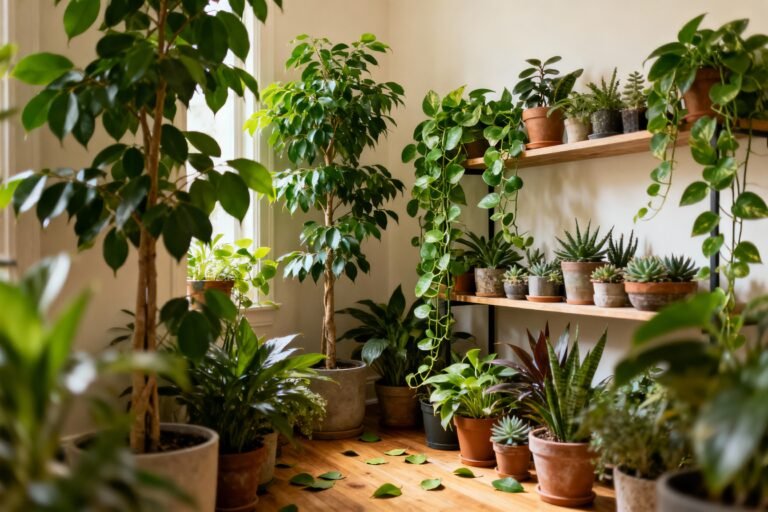
The Jungle Shelf
Stack plants on a bookshelf or ladder shelf.
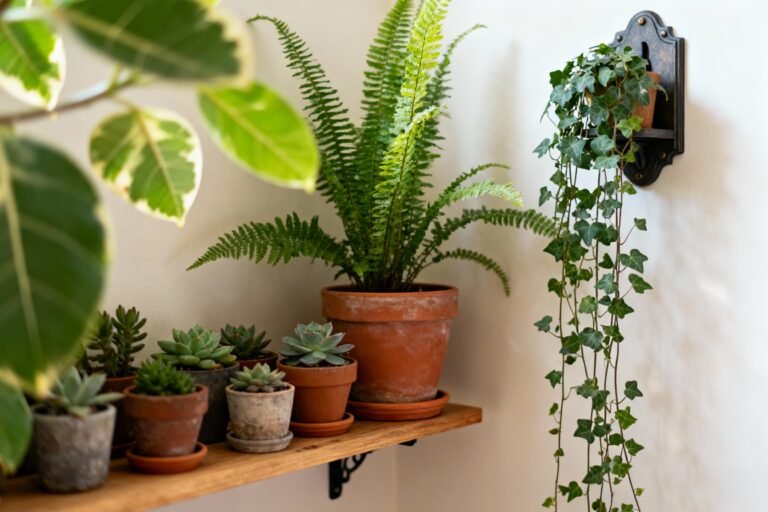
Mix heights and shapes for depth. Trailing plants like pothos or string of pearls drape down, upright plants like sansevieria add structure, and statement plants like monstera anchor the scene.
The Window Ledge Gallery
Line up small pots in a single row, museum-style. Use matching saucers for cohesion. Keep it simple: same pot color, varied plant textures.
The Plant Corner
Cluster 3–5 plants of different sizes on the floor with a stool or stand for height.
Add a lamp and a watering can nearby for easy care. FYI, clusters look intentional; random pots scattered everywhere look like you forgot where you put them.
The Hanging Grid
Hang 2–6 planters at different lengths. Keep pot styles consistent, but let the trails go wild—heartleaf philodendron, ivy, and hoya do the heavy lifting.
Play With Height, Texture, and Shape
Great displays feel balanced without being stiff.
Think of it like building a band: you need highs, mids, and bass.
- Height: Use plant stands, stacks of books, or boxes under pots. Stagger heights so your eye moves easily.
- Texture: Mix glossy leaves (rubber plant) with matte (calathea), fine (asparagus fern) with bold (alocasia).
- Shape: Pair upright arrows (snake plant) with round leaves (pilea) and lacy ferns for softness.
Rule of Three (Mostly)
Group plants in odds: three, five, seven. It looks natural, not staged.
IMO, two plants together look like roommates who don’t speak.
Pots, Stands, and the Great Saucer Debate
A good pot can make a meh plant look chic. But drainage matters more than aesthetics—always.
- Drainage holes: Non-negotiable. If your pot doesn’t have one, use it as a cover pot with a plastic nursery pot inside.
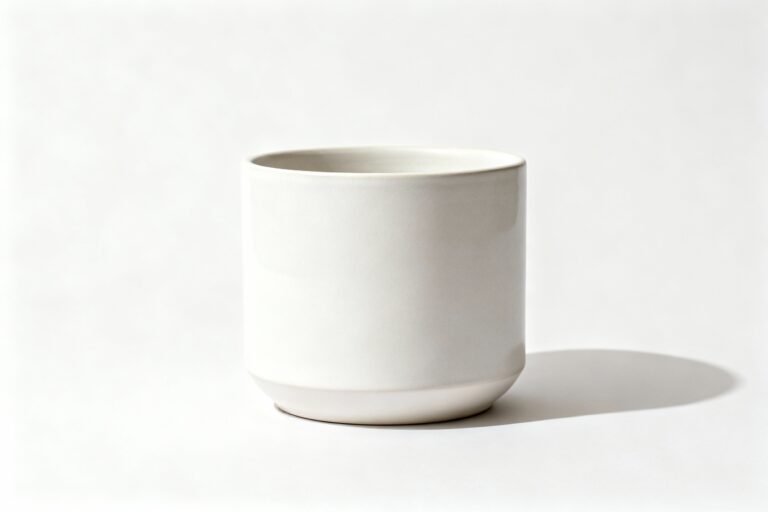
- Color palette: Pick one: terracotta, white ceramics, or matte black.
Keep it cohesive so the plants pop.
- Stands and risers: Elevate smaller plants to meet taller ones. A little height saves your display from looking flat.
- Saucers: Yes, you need them. Go minimal and matching if you want clean lines.
Terracotta vs.
Ceramic
Terracotta breathes and dries quickly—great for succulents and anyone who overloves their watering can. Ceramic retains moisture—better for tropicals or chronic underwaterers. Choose your fighter.
Create Zones: Themes That Actually Work
You can organize by color, vibe, care level, or leaf shape.
Just pick a system and stick to it.
- Low-maintenance zone: ZZ, snake plant, pothos. Perfect for entryways or offices.
- Humidity zone: Ferns, calatheas, peperomia near a humidifier in the bathroom or kitchen.
- Desert zone: Cacti, aloe, euphorbia in bright light, gritty soil, minimal watering.
- Statement zone: One large plant (fiddle-leaf, monstera, bird of paradise) with two smaller companions.
Color Stories
Use foliage color to build a palette. Pair burgundy (rubber plant), lime (philodendron ‘Brazil’), and silver (scindapsus) for a lush, layered look.
Or go monochrome with deep-green textures for quiet luxury energy.
Make Maintenance Invisible
Beautiful displays should not sabotage your routine. Build in easy care from day one.
- Access: Keep a path for watering cans and pruning shears. If you can’t reach it, you won’t care for it.
- Water strategy: Group plants by thirst.
Put needy plants together so you remember them.
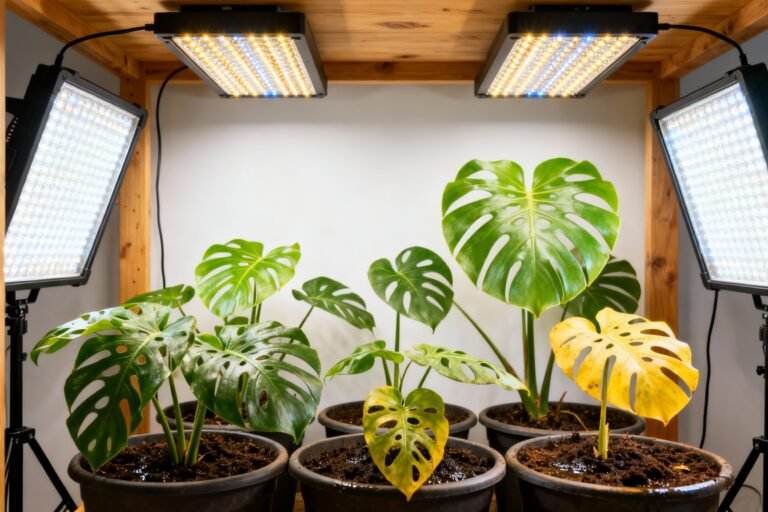
- Lighting support: Add grow bulbs to floor lamps near darker corners. Subtle, effective, not ugly.
- Tools on deck: Stash snips, a moisture meter, and neem oil in a cute basket nearby. Out of sight, still reachable.
Soil and Saucers, but Make It Clean
Line shelves with thin cork or silicone pads to catch drips.
Use lightweight, chunky potting mix for better aeration. Wipe leaves every few weeks—dust blocks light and turns glossy leaves sad.
Design Tricks That Look Fancy (But Aren’t)
Sometimes it’s the tiny tweaks that make the whole thing sing.
- Odd-number clusters: Three plants of varying height on a tray = instant vignette.
- Repeat elements: Same pot color across a shelf ties chaos together.
- Negative space: Leave gaps. Your eyes need a breath between big leaves.
- Mirror magic: Place a mirror behind a display to bounce light and double the green.
- Trailing “waterfall” effect: Start high with philodendron or ivy and let them cascade down a bookshelf.
Statement Plant Placement
Put your star where it catches morning light and human eyes—by a window, near a couch, or next to a dining table.
Give it room to grow, and don’t crowd it with too many smaller plants. Let the diva have the spotlight.
Seasonal Tweaks (Keep It Fresh)
Plants feel seasons indoors, too. In winter, move sun-lovers closer to windows and cut back on watering.
In summer, pull sensitive leaves back from glass to prevent scorch. Rotate displays every few months if you like novelty—your plants won’t mind, and you’ll notice them again.
FAQ
How do I stop my plant display from looking messy?
Use a consistent pot style, group plants in odd numbers, and stagger heights. Add a tray or riser to each cluster to define the edges.
Keep trailing plants controlled with occasional trims—intentional, not wild.
What’s the best way to display plants in low light?
Lean on hardy plants like ZZ, snake plant, and pothos, and add a warm-white grow bulb in a regular lamp. Reflect light with mirrors and keep foliage dust-free. You can make low light work without turning your home into a lab.
Can I mix real and faux plants?
Yes, strategically.
Use real plants in good light zones and tuck one or two high-quality faux pieces where care gets annoying—top shelves, dim corners. IMO, it’s better than forcing a fern to suffer in a hallway.
What plants look best on shelves?
Trailing varieties like pothos, scindapsus, philodendron micans, and string of hearts add flow. Balance them with compact plants like peperomia, pilea, or small sansevieria.
Finish with one mid-size upright for structure.
How do I display plants without damaging my walls?
Use leaning ladder shelves, tension rods for hanging planters, or ceiling hooks with removable anchors. Consider plant stands and rolling carts for mobility and zero holes. FYI, window suction cup planters work if you keep them clean and light.
What’s a quick way to make my display feel cohesive?
Pick a single pot color, add a repeating foliage color (like silver or burgundy), and anchor the setup with one taller plant.
Then edit—remove one item. Breathing room reads polished.
Conclusion
You don’t need a greenhouse or a trust fund to create a stunning indoor plant display. You just need light-savvy placement, a few smart tools, and a clear style lane.
Build height, repeat elements, and give your plants room to shine. Do that, and even the humble pothos becomes art—no gallery ticket required.