Modern Plant Stand Ideas for Stylish Home Decor
Plants make a room feel alive. They also creep across surfaces, hog window space, and trip you if you give them the chance. The fix?
A smart plant stand or three. Let’s talk ideas that look good, fit your space, and actually help your plants thrive—without a DIY meltdown.
Why Plant Stands Matter (Beyond Looking Cute)
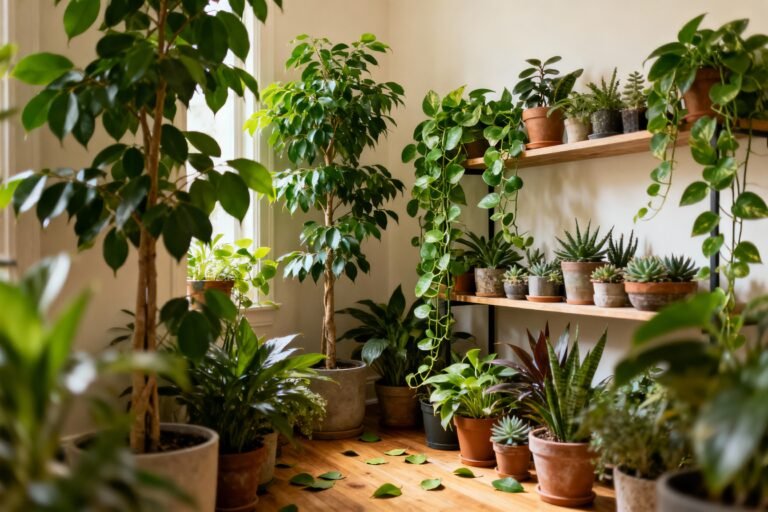
You get more than aesthetics. Stands maximize light by lifting plants to windows and bright corners. They save floor space so you can walk without brushing a fern every five seconds.
And honestly, stands help you organize watering zones by grouping plants with similar needs. Functional and pretty? We love that combo.
Tiered Stands: Vertical Gardens Without the Drama
When your plant collection multiplies (it will), tiered stands keep you sane.
Think of them like a bookshelf for leaves. You get height, layers, and easy light access—no more photosynthesizing traffic jams.
Best Picks for Small Spaces
- Ladder-style stands: Lean them against a wall to create depth without bulk. Perfect for trailing pothos up top and light-loving herbs mid-tier.
- Corner towers: Tuck one in an awkward corner and boom—instant green moment.
- Swivel tiers: Rotate your plants for even growth.Fancy? A little. Useful?
Absolutely.
What to Put Where
- Top tier: Bright light lovers (succulents, string of pearls) or trailing plants for drama.
- Middle: Philodendrons, peperomia—medium light champs.
- Bottom: Low-light buddies like ZZ and snake plants.
Minimalist Pedestals: One Plant, Main Character Energy
Sometimes one plant deserves the spotlight. A simple pedestal or stool says “yes, this is my fiddle-leaf fig, and yes, it’s thriving (IMO).” Keep it clean and let the plant shine.
Choosing the Right Height
- Sofa-side: 12–18 inches to balance lamp height.
- Entryway drama: 24–30 inches for a statement moment.
- Window boost: 6–12 inches to lift short pots into sunbeams.
Materials That Never Miss
- Wood: Warm, timeless, easy to match. Seal it if you’re splashy with watering.
- Metal: Sleek, strong, moisture-friendly.Black or brass for an instant upgrade.
- Stone or concrete: Sculptural, heavy, and stable for tall plants.
Multi-Use Furniture: Hidden Plant Stands in Disguise
Your home already has plant stand candidates—look around. Benches, stools, nesting tables, bar carts—all fair game. Use what you have and watch your space breathe easier.
- Benches: Line up a few medium plants for a curated vibe. Add a tray to catch spills.
- Bar carts: Roll your sun-seekers around seasonally.It’s like Uber for plants.
- Nesting tables: Stagger heights to create a mini jungle with zero construction.
- Window ledge extenders: Clamp-on shelves give plants the front-row seat they crave (FYI, check weight ratings).
DIY and Upcycled Stands (That Won’t Fall Apart)
DIY standards can look custom without a power tool meltdown. Keep it sturdy, simple, and water-smart. Also: level your surfaces—wobbly stands are a crime against root systems.
Easy Projects
- Stacked books: Vintage hardcovers + a tray on top = instant pedestal (and easy height tweaks).
- Crate flip: Turn a wooden crate on its side to elevate a plant and store soil or tools inside.
- Concrete pavers + hairpin legs: Minimal, modern, and tough.Seal the top to avoid stains.
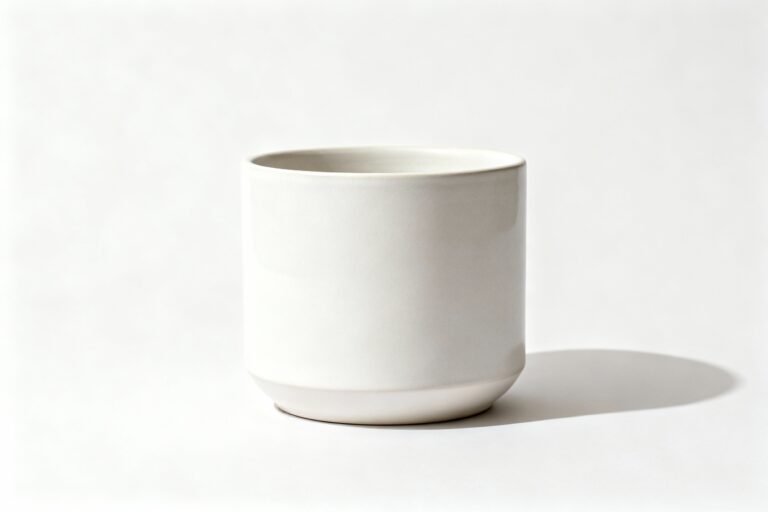
- Ceramic pots as stands: Flip a large pot (drainage hole down), top with a cork trivet, and place your plant on it.
Upcycling Tips
- Seal wood surfaces with polyurethane or a plant-safe oil to prevent water rings.
- Add felt pads under legs to protect floors and make moving easier.
- Use trays and saucers—glazed ceramic or metal—to catch runoff without ugly plastic vibes.
Outdoor Stands: Patios, Balconies, and Tiny Fire Escapes
You can upscale your outdoor greenery game without hogging all your floor space. Go vertical and choose materials that handle weather like champs.
- Metal baker’s racks: Tons of shelves, basically built for pots. Zip-tie for stability if windy.
- Acacia or teak stands: Weather-resistant and gorgeous. Oil once a season for longevity.
- Rail planters + clamp stands: Free up floors and get plants closer to sunlight.
- Plant caddies with wheels: Move heavy pots easily—great for chasing sun angles.
Microclimate 101
- South/east exposure: More sun; use succulents, rosemary, peppers.
- North/west exposure: Gentler light; try ferns, mint, ivy.
- Windy spots: Heavier pots + low center of gravity.No top-heavy divas.
Match the Stand to the Plant (Because Proportion Matters)
Not every plant–stand combo works. Scale and stability matter if you like your pots upright. Choose stands that balance the plant’s visual weight and growth habit.
- Tall, top-heavy plants (fiddle leaf, rubber tree): Wide, heavy stands close to the ground. Avoid skinny legs.
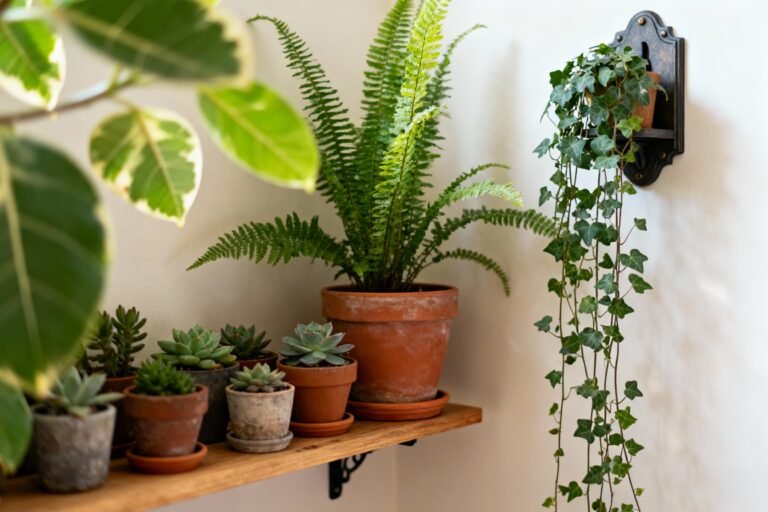
- Trailing plants (pothos, string of hearts): High stands or wall-mounted shelves so vines drape elegantly.
- Short, sculptural plants (aloe, sansevieria): Mid-height stands that keep lines clean and bold.
- Clusters of small plants: Use a cake stand or tiered spice rack for a tidy, cute cluster.
Design Styles You Can Steal
Want a vibe?
Pick a lane—or mix them with confidence. Plants forgive.
- Scandi: Light wood, clean lines, neutral pots. Add one black metal stand for contrast.
- Boho: Rattan stands, woven baskets, mismatched ceramics.Trailing plants everywhere.
- Industrial: Pipe frames, concrete tops, matte black accents. Hardy plants like ZZ and rubber trees fit right in.
- Mid-century: Walnut stands with tapered legs, cylindrical white pots. Instant Mad Men energy.
- Maximalist: Layered heights, bold colors, patterned pots.Controlled chaos, plant edition.
Practical Setup Tips So Your Floor Doesn’t Hate You
Let’s keep it cute and functional. A few small tweaks make a big difference (FYI, your future self will thank you).
- Use saucers or trays under every pot. No exceptions.Water stains are forever.
- Elevate pots slightly with pot feet for airflow and healthier roots.
- Group by watering schedule: Thirsty plants together, drought-tolerant together. Less guesswork, fewer oops moments.
- Mind the light: Rotate stands monthly for even growth and fewer lopsided divas.
- Check weight limits: Especially on wall-mounted or glass-top stands. Gravity always wins.
FAQs
How tall should a plant stand be?
Match the height to the plant and the room.
For window light, a 6–12 inch lift usually helps. For statement plants in living areas, aim for 18–30 inches so leaves sit near eye level without blocking sightlines. Keep tall plants on lower stands to avoid wobbles.
What materials are best for humid rooms like bathrooms?
Go for metal, sealed wood, plastic, or stone.
Avoid untreated wood, which can warp or mold. If you love wood, seal it and use ceramic trays. Bonus: humidity lovers like ferns and calatheas will thank you.
Can I put multiple plants on one stand?
Yes, if the stand handles the weight and the plants share similar light and water needs.
Use a tray to unify the look and catch runoff. Keep taller plants to the back and spillers to the edge so everyone gets light.
How do I stop tall plants from tipping over?
Use a wider, heavier stand or add weight to the base (adhesive lead tape, sandbags hidden in a basket). Keep the center of gravity low with heavier pots and avoid skinny, high pedestals.
Corner placement adds stability too, IMO.
Do plant stands damage floors?
They can if you skip protection. Add felt pads or silicone feet to every stand, use waterproof trays, and wipe spills fast. For rugs, use a hard tray to prevent moisture wicking into fibers.
Are wall-mounted plant shelves safe?
Absolutely, if you anchor them properly.
Use wall studs or heavy-duty anchors, check weight ratings, and avoid overwatering. Choose lighter pots or use liners to reduce overall load.
Conclusion
Plant stands do more than elevate your greenery—they shape light, flow, and mood. Whether you go for a sleek pedestal, a DIY crate flip, or a tiered tower, pick pieces that fit your plants and your life.
Start with one corner, dial in the heights, and watch your space glow. Your plants get the spotlight, and you get your floors back. Win-win.