Peperomia Plant Care: A Complete Beginner’s Guide
Peperomia plants don’t shout for attention—they just quietly look cute and thrive with minimal drama. If you want a low-maintenance houseplant that still brings personality, this little weirdo is your new bestie. They come in a bunch of styles (thick leaves, rippled leaves, trailing vines, you name it), and they play nice with apartments, desks, and busy schedules.
Ready to fall for a plant that basically babysits itself?
Meet the Peperomia: Small Plant, Big Personality
Peperomia is a diverse genus with over a thousand species—yes, really. You’ll see them sold under fun names like Watermelon Peperomia, Raindrop Peperomia, and Ripple Peperomia. Most stay compact, making them perfect for shelves and tiny corners.
And the best part? They thrive on benign neglect.
Why Peperomia Makes a Great Housemate
Peperomia plants bring a ton to the table without asking much in return. Here’s the highlight reel:
- Compact size: Most varieties top out at 6–12 inches tall.
- Forgiving watering needs: They have slightly succulent leaves that store water.
- Good for low-ish light: They tolerate bright, indirect light and even medium light areas.
- Pet-friendly: Non-toxic to cats and dogs, FYI.
- Endless variety: Stripes, ripples, round leaves, trailing stems—you can collect them like Pokémon.
Light: Bright-ish and Indirect, Please
Aim for that sweet spot: bright, indirect light. A few feet back from a window works beautifully.
Direct, harsh sun can scorch leaves, especially on variegated types.
Can They Live in Low Light?
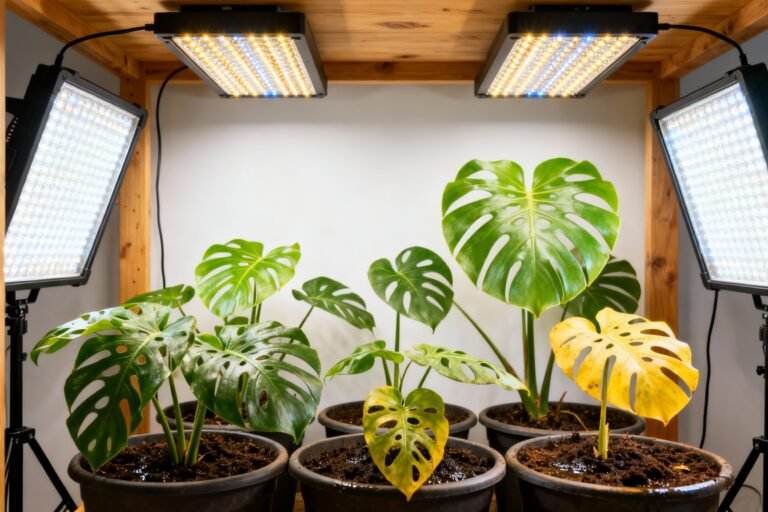
They’ll survive, but they won’t thrive. You’ll see slower growth, smaller leaves, and stretched stems. If your plant starts reaching like it’s trying to escape, move it closer to the window or add a grow light.
Watering: The “Let It Dry a Bit” Method
Peperomias don’t want constant wet feet.
Their leaves store some water, so you can let the top inch or two of soil dry out before watering. Stick your finger in the soil—if it feels dry to your first knuckle, it’s time.
Overwatering Red Flags
- Mushy stems or leaves: Roots might be suffocating.
- Yellowing leaves: Often a sign of too much water, not too little.
- Fungus gnats: Your soil stays too wet too often.
If you see any of these, water less frequently and check that your pot drains well.
Soil and Potting: Keep It Light and Airy
Think chunky and breathable. A good mix might be:
- 1 part high-quality potting soil
- 1 part perlite or pumice
- 1 part orchid bark or coco chips
Drainage holes are non-negotiable.
Peperomia roots are fine and delicate, and soggy soil spells doom. Repot every 1–2 years, but don’t size up too much—one pot size increase is plenty.
Humidity and Temperature: Cozy but Not Fussy
Peperomias like normal household humidity and temps. Keep them between 65–80°F (18–27°C), and they’ll smile at you.
Dry winter air won’t kill them, but you can boost humidity with a pebble tray or nearby humidifier if you’re feeling extra.
Drafts and Heat Sources
Keep them away from cold drafts and direct blasts from heaters. If your leaves start crisping or curling, check the microclimate around your plant. Sometimes moving it 2 feet makes all the difference.
Fertilizer: Light Feeder, Big Results
During spring and summer, feed monthly with a diluted balanced fertilizer (half strength works great).
In fall and winter, you can skip feeding altogether. IMO, slow-release granules in spring make it almost foolproof.
Popular Peperomia Varieties to Try
Let’s play matchmaker. Here are some fan favorites:
- Peperomia argyreia (Watermelon) – Striped leaves that look like tiny watermelons.Cute and dramatic.
- Peperomia obtusifolia (Baby Rubber Plant) – Thick, glossy leaves; super forgiving and beginner-friendly.
- Peperomia polybotrya (Raindrop) – Big, raindrop-shaped leaves; loves bright, indirect light.
- Peperomia caperata (Ripple) – Crinkled, textured leaves in gorgeous greens, silvers, or reds.
- Peperomia prostrata (String of Turtles) – A delicate trailer with turtle-shell patterns. Handle gently.
Propagation: Easy Wins with Cuttings
You can multiply your Peperomia pretty easily. The method depends on the type:
Stem Cuttings (for upright types)
- Snip a healthy stem with 2–3 leaves.
- Let the cut end dry for 30 minutes.
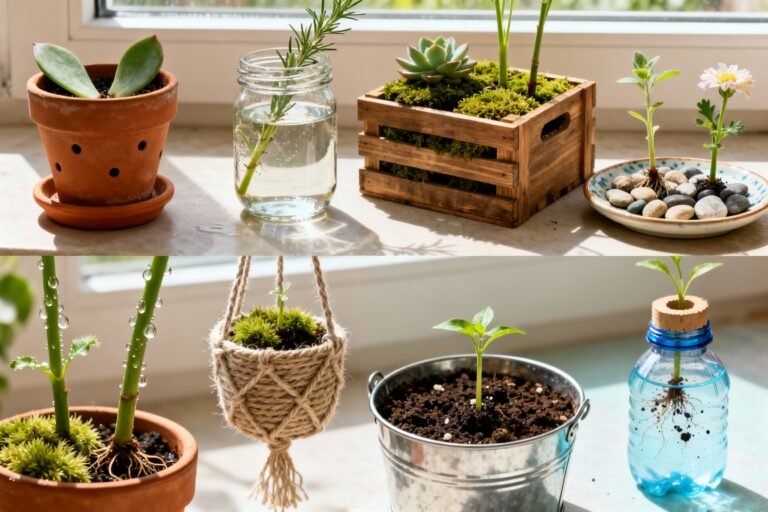
- Place in water or directly in moist, airy soil.
- Give bright, indirect light and wait 3–6 weeks.
Leaf Cuttings (for ripple and watermelon types)
- Cut a healthy leaf with a bit of petiole (the little stem).
- Insert the petiole into moist mix; keep humidity higher.
- New plantlets pop from the base—patience required.
FYI, water propagation looks cute in glass jars, but transferring to soil sooner helps roots adapt.
Common Problems (and Chill Fixes)
Nobody’s perfect.
If your Peperomia throws a fit, try this:
- Leggy growth: Increase light, rotate the pot weekly.
- Drooping leaves: Check soil—bone dry or swampy? Adjust watering accordingly.
- Brown tips: Low humidity or inconsistent watering. Smooth it out.
- Pests: Mealybugs and spider mites show up occasionally.Wipe leaves, then treat with neem or insecticidal soap.
Remember: Overwatering causes most issues. When in doubt, wait a day.
Styling Your Peperomia
These plants look great almost anywhere. Try:
- Desk buddy: Perfect size and zero drama during Zoom calls.
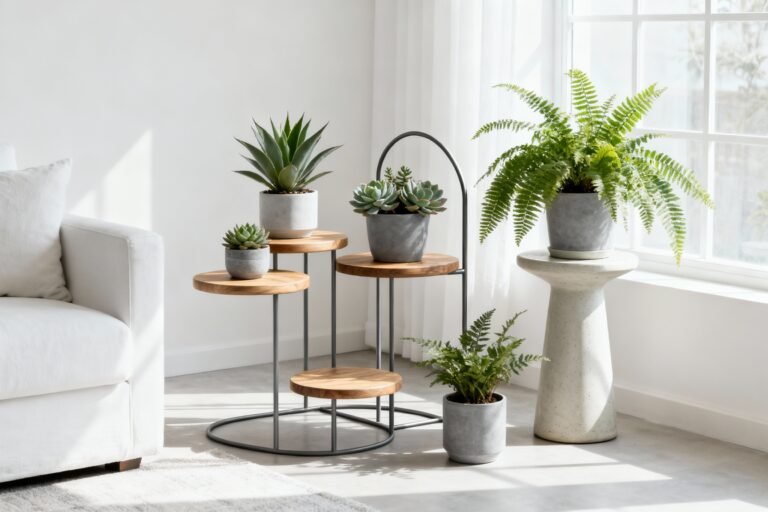
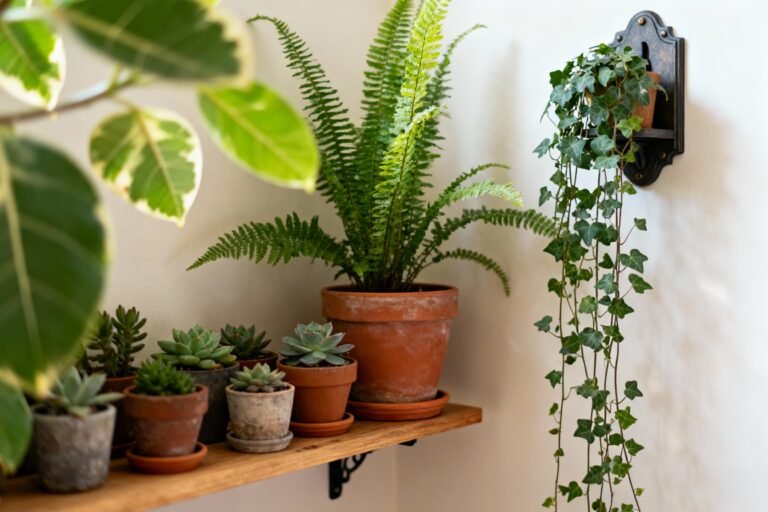
- Shelf candy: Mix with trailing types for layers.
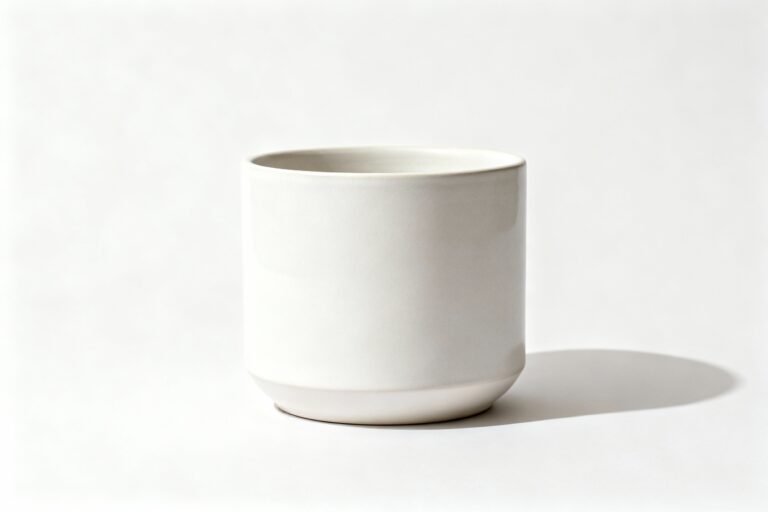
- Contrasting pots: Dark green foliage pops in white or terracotta.
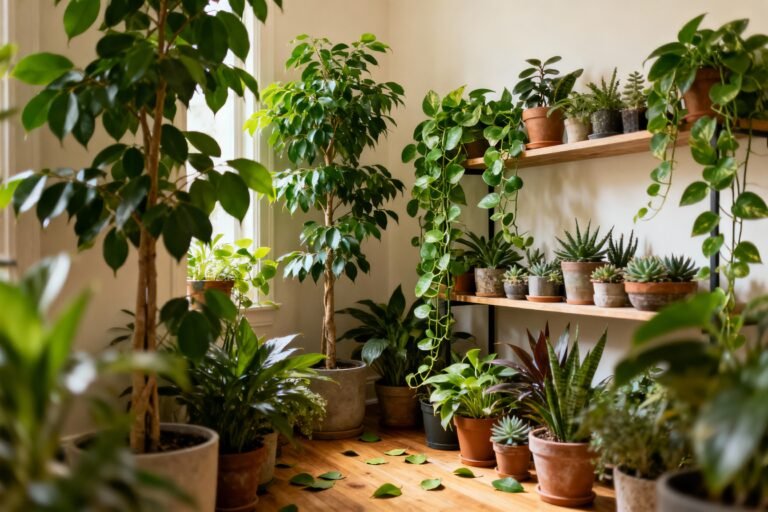
- Mini jungle: Group with ferns and pothos for a moisture microclimate.Cute and practical.
IMO, a matte ceramic pot plus a ripple peperomia is instant design cred.
FAQ
Is Peperomia easy for beginners?
Absolutely. Peperomias handle occasional forgetfulness and don’t need constant attention. Give them bright, indirect light and let the soil dry a bit between waterings, and you’re golden.
How often should I water my Peperomia?
There’s no exact schedule because homes differ.
As a rule, water when the top inch or two feels dry. In winter, you’ll water less; in summer, a bit more. Your plant will tell you—droopy leaves mean it’s thirsty, mushy stems mean you loved it too hard.
Do Peperomias need pruning?
Not much.
Pinch back leggy stems to encourage bushier growth. You can also remove any damaged leaves for a tidy look. Use clean scissors and you’re done in two minutes.
Why are my Peperomia leaves curling?
Usually, it’s underwatering, low humidity, or too much direct sun.
Check soil moisture first, then move the plant out of harsh light. If the new growth looks fine, you’re back on track.
Can Peperomia grow in terrariums?
Some varieties, especially smaller ripple types, do well in open terrariums with good airflow. Closed terrariums can get too moist and encourage rot, so choose wisely and don’t overwater.
Is Peperomia toxic to pets?
Good news: Peperomias are non-toxic to cats and dogs.
Your pets still shouldn’t chew your plants (rude), but at least this one won’t cause a panic.
Conclusion
Peperomia plants give you maximum style with minimal fuss. Keep the light bright but indirect, water when the top soil dries, and use a chunky mix with solid drainage. Collect a few varieties and you’ll have a tiny, vibey jungle in no time.
Low effort, high reward—what’s not to love?