How to Use River Rocks in Landscaping: Tips and Design Ideas
Rocks don’t wilt, complain about the heat, or need a weekly pep talk from your sprinkler. That’s the beauty of river rock landscaping. It transforms ho-hum yards into polished, low-maintenance spaces with texture, color, and structure.
If your garden looks tired—or you’re tired of it—river rock might be your new favorite tool.
Why River Rock Wins (And Mulch Can Sit This One Out)
River rock brings personality. You get a natural look that fits modern, cottage, and desert styles equally well. And unlike wood mulch, it doesn’t blow away, fade in a month, or create mess when a storm rolls in. Key benefits:
- Low maintenance: Stays put, doesn’t decompose, and rarely needs topping up.
- Weed control: With fabric underneath, you’ll pull fewer weeds (your back will send thank-you notes).
- Drainage: Perfect for areas that pool water—rocks help channel it away.
- Eco-smart: No need to replace yearly.
Less waste, fewer trips to the garden center.
- Fire-resistant: In dry climates, rocks make safer borders near structures.
Where River Rock Shines
River rock doesn’t need a spotlight, but it steals the show anyway. It looks intentional, even when you’re winging it. Here’s where it really delivers.
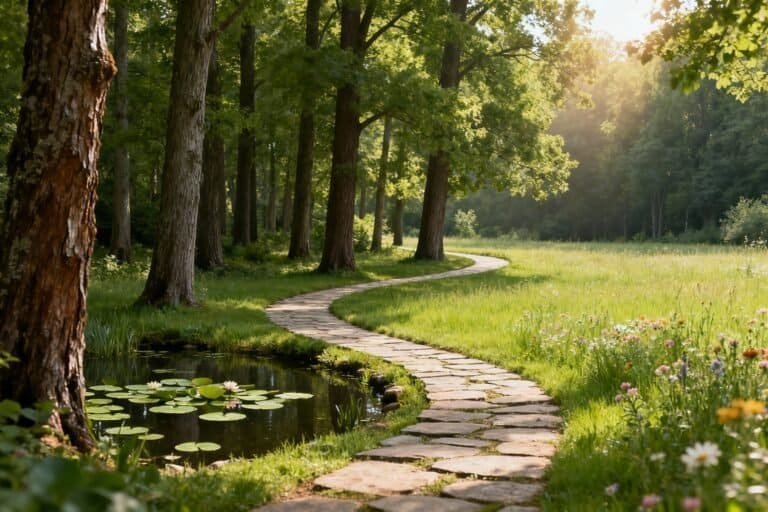
- Pathways and walkways: Define routes and add crunch underfoot (the good kind).
- Dry creek beds: Fake stream, real charm.
Also handles runoff like a pro.
- Foundation borders: Clean edges around the house keep mud off siding and reduce splashback.
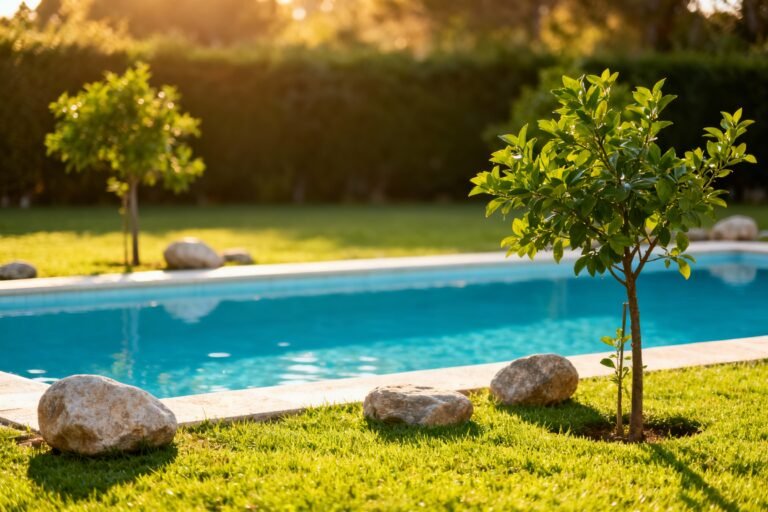
- Tree rings and plant pockets: Add texture without stealing water or nutrients.
- Accent zones: Frame patios, fountains, or boulder groupings for that designer touch.
Pro tip: Mix sizes and colors
Blend 1-2″ river rock with some larger cobbles for depth, then sprinkle a few statement boulders. You’ll get a layered, natural look that doesn’t scream “I bought one bag and called it a day.” FYI, subtle color variation makes everything feel more organic.
Choosing the Right Rock (Size, Color, and Vibe)
Not all river rock feels the same. Some looks beachy and smooth, some reads mountain-stream.
Pick based on function first, then aesthetics. Size guide (IMO, this matters a lot):
- Pea gravel (3/8″): Great for paths and patio infill. Can shift underfoot.
- Small river rock (1/2″–1″): Nice for borders and beds; still moves a bit.
- Medium river rock (1″–2″): Sweet spot for most beds—stable and tidy.
- Cobbles (3″–5″+): Use for edging, dry creek beds, and statement accents.
Color tips:
- Warm tans and browns: Cozy, natural, pairs well with wood and brick.
- Cool grays and blues: Modern, crisp, great with concrete and steel.
- Mixed river blend: Easiest to match with existing materials; hides debris well.
Match rock to your climate
If you deal with frost heave, go larger. It stays put.
In extreme heat, lighter colors reflect sun and keep soil slightly cooler. Your plants will thank you—even if they can’t talk.
How to Install River Rock (Without Making a Mess)
You can DIY this and still have a weekend left for fun. Think layers and edges.
That’s it.
- Sketch the plan: Outline beds, paths, and borders. Decide on depths and sizes.
- Prep the area: Remove grass/weeds, level the soil, and compact lightly.
- Set the edge: Use steel, aluminum, pavers, or stone. Edging matters—rocks wander.
- Lay fabric (optional but smart): Use high-quality landscape fabric for weed suppression and drainage.
Don’t use plastic. Ever.
- Pour and spread: Aim for 2–3″ deep for small/medium rock, 3–4″ for larger sizes.
- Rake for perfection: Smooth the surface and tuck edges neatly under the border.
How much rock do you need?
Quick math: 1 cubic yard covers about 120–150 sq ft at 2 inches. Measure your area (length × width), decide on depth, and round up a bit.
Delivery saves your spine. Your car’s suspension will also appreciate the day off.
Planting With River Rock (Yes, You Can)
Rocks and plants play nicely—if you choose wisely. Go for species that enjoy good drainage and don’t sulk if the soil warms up a bit. Plant picks that love rock beds:
- Grasses: Blue fescue, feather reed grass, Mexican feather grass.
- Perennials: Lavender, salvia, yarrow, coreopsis.
- Succulents: Sedum, hens-and-chicks, agave (zone permitting).
- Shrubs: Boxwood, barberry, dwarf juniper, spirea.
Planting technique
Cut an X in the fabric, dig a proper hole, plant, and backfill with soil.
Then pull the fabric back and tuck rock around the base, leaving a small gap so stems don’t rot. Easy, tidy, and your plant doesn’t suffocate. IMO, this method keeps things neat for years.
Design Ideas You’ll Actually Use
You don’t need a landscape degree—just a few smart moves that add instant polish.
- Two-tone borders: Use dark basalt chips as a thin line against lighter river rock for contrast.
- Rock islands: Create a “plant island” with medium rock and one hero shrub or grass in the middle.
- Dry creek to drain downspouts: Line with larger cobbles, then fill between with smaller rock.
Add a few flat stones as “stepping accents.”
- Zen corner: Rake smooth rock into gentle patterns around a simple boulder or lantern.
- Fire pit ring: Rock base around a metal fire bowl keeps embers off turf and looks slick.
What to pair with river rock
– Materials: Corten steel, cedar, smooth concrete, black metal edging. – Lighting: Warm, low-voltage path lights bounce beautifully off rock textures. – Water features: Bubbling urns and basalt columns look amazing surrounded by rounded stones.
Maintenance (Spoiler: Not Much)
River rock won’t demand weekend after weekend. You’ll do quick touch-ups, and that’s it.
- Weed patrol: Pull stragglers after rain or use a targeted spray. Fabric helps a ton.
- Leaf cleanup: Use a blower on low or a rigid rake.
Don’t bury rock in mulch or leaves.
- Top-ups: Add a bag or two every few years where traffic shifts stones.
- Rinse: A light hose spray brings color back if dust dulls the surface.
What to avoid
– Don’t mix rock types in tiny patches; it reads messy. – Don’t skip edging. Rocks migrate like they’re on vacation. – Don’t pile rock against wooden siding—leave a gap or use a barrier.
Budget and Buying Tips
Costs vary by region and rock type, but here’s the vibe: bulk wins.
- Buy in bulk: By the yard or ton beats bagged every time for larger projects.
- Compare blends: Visit the stone yard and wet a sample—colors pop when rinsed.
- Delivery logistics: Ask about drop location, weight limits, and access. Gravel + steep drive = adventure.
- Tool checklist: Wheelbarrow, flat shovel, metal rake, gloves, edging stakes, landscape fabric pins.
FAQ
Will river rock kill my plants?
Nope—if you plant correctly.
Use breathable landscape fabric, avoid piling rock directly against stems, and choose plants that enjoy good drainage. Water reaches roots just fine through rock layers.
Does river rock get too hot?
It can warm up in full sun, especially darker colors. Pick lighter blends in hot climates and mulch plant root zones with compost under the fabric if you worry.
Most drought-tolerant plants handle it like champs.
Can I put river rock over existing mulch?
You can, but I wouldn’t. Remove mulch first so you don’t create a soggy, decomposing layer that invites weeds. Then level the soil, lay fabric, and spread rock.
Clean and simple.
How do I stop weeds from coming through?
Use a high-quality landscape fabric and overlap seams by 6–8 inches. Pin it every 12–18 inches. You’ll still see the odd invader (windborne seeds happen), but they pull easily.
What size rock works best for paths?
For a comfortable walk, try pea gravel or 3/8″–1/2″ rock with a compacted base underneath.
For a firmer feel, set pavers or stepping stones and infill with smaller rock around them.
Is river rock safe near foundations?
Yes—as long as you maintain proper slope away from the house and keep rock a few inches below siding. It actually reduces muddy splashback and helps drainage when installed right.
Wrap-Up: Make Your Yard Rock (Literally)
River rock landscaping gives you a clean, modern look with way less fuss. You get texture, contrast, and structure that lasts for years without constant babysitting.
Start small with a border or creek bed, or go big with full beds and paths. Either way, you’ll spend more time enjoying the yard—and less time apologizing to your lawn. IMO, that’s a win.