How to Grow Black Roses: Care Tips for Beginners
Black roses don’t whisper; they smolder. They show up like a plot twist at a garden party and refuse to explain themselves. Are they mysterious?
Absolutely. Morbid? Sometimes.
But they’re also bold, elegant, and a little rebellious—flowers for people who hate boring.
What Exactly Is a “Black” Rose?
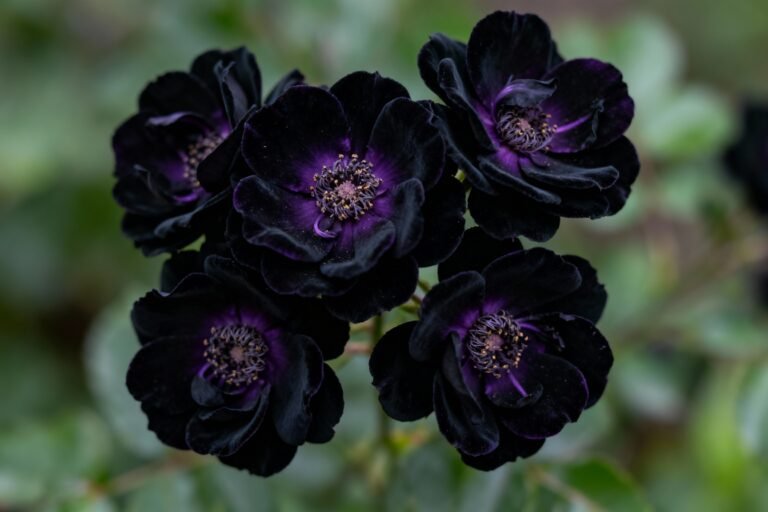
Here’s the truth: nature doesn’t make a rose that’s jet black. The so-called black rose is usually a very deep red, maroon, or purple that looks black in certain light. Varieties like Black Baccara, Black Magic, and Black Velvet lead the pack with petals so saturated they almost swallow the sun.
Why They Look Black
Pigments do the trick. High levels of anthocyanins (those deep red-purple pigments) create near-black tones.
Cooler temps intensify the color. You’ll also see florists dye or dip lighter roses to get a true black look for events. FYI: dyed roses look dramatic, but they won’t give you that same luxe depth up close.
The Symbolism: Not Just for Villains
Black roses pack meaning like a poem with too much caffeine.
People use them to mark endings, sure—but also transformations and fierce independence. They signal power, mystery, and rebirth, not just gloom.
- Farewell and closure: A dramatic full stop at the end of a chapter.
- Reinvention: New beginnings that don’t need confetti to feel significant.
- Romance with an edge: Think less hearts-and-cherubs, more candlelit secrets.
- Gothic aesthetics: For the souls who live in black boots year-round.
Pop Culture Moments
From dark fantasy novels to metal album covers, the black rose shows up when things get intense. It’s basically the unofficial mascot of beautifully messy emotions. IMO, it’s the flower you send when “thinking of you” feels too basic.
Growing Your Own: Yes, You Can
Want that moody bouquet from your own backyard?
Doable. You won’t grow a pure black rose, but you can grow varieties that read black at a glance. Start with a reliable cultivar and give it the right conditions.
Top Cultivars to Try
- Black Baccara: Velvety petals, insanely rich color, great for cut flowers.
- Black Magic: Deep red-black blooms, robust plant, florist favorite.
- Munstead Wood (deep maroon): David Austin type with fragrance and drama.
- Tuscany Superb (purple-black gallica): Old rose vibes, intense shade.
Quick Growing Guide
- Sun: 6+ hours daily. Morning sun beats afternoon scorch.
- Soil: Rich, well-drained, slightly acidic (pH 6.0–6.5).
Compost equals happiness.
- Water: Deeply 1–2 times weekly; keep leaves dry to dodge disease.
- Feeding: Rose fertilizer in spring, mid-season, and after the first flush of blooms.
- Pruning: Late winter; remove dead wood and open the center for airflow.
- Color tip: Cooler nights deepen pigment. In hot climates, they’ll look more red.
Cut Flower Secrets: Make Them Last (and Look Luxe)
You finally got those dramatic stems—don’t let them flop. Condition them like a pro and you’ll get a week (or more) of moody magic.
- Cut stems at a 45-degree angle under water. No air bubbles, no drama.
- Strip leaves below the waterline—bacteria are party crashers.
- Use flower food.
It’s not optional if you want longevity.
- Keep them cool and out of direct sun. Yes, even vampires wilt.
- Refresh water every 2 days; recut stems slightly each time.
DIY Blackening Tricks (If You Must)
- Floral dye/dip: The fastest route to inky black. Looks bold from afar.
- Absorption method: Let white roses drink black dye overnight for a gradient effect.
- Spray tints: Light coats build color without crunching petals.
Just remember: natural near-black roses look richer.
Dyed ones read theatrical. Choose your vibe.
Designing with Black Roses: Drama Without the Melodrama
Black roses play surprisingly well with others. Use them as the anchor in a bouquet, then add texture and contrast.
Want something chic without feeling like a Halloween prop? Balance matters.
Pairing Ideas
- Moody monochrome: Black roses + deep burgundy ranunculus + chocolate cosmos + dark foliage (smoke bush, basil).
- High contrast: Add white ranunculus, anemones, or orchids for that gallery look.
- Soft balance: Nude or blush roses + dusty miller + black roses = editorial romance.
- Texture play: Seeded eucalyptus, scabiosa pods, amaranthus for movement.
Occasion Ideas
- Weddings: Edgy bridesmaids bouquets or a bold boutonniere moment.
- Birthdays: For the friend who loves dark chocolate and darker playlists.
- Memorials: Elegant and meaningful without clichés.
- Home decor: One stem in a bud vase on a stack of books—chef’s kiss.
Myths, Legends, and the Fun History Stuff
People have wrapped black roses in stories for centuries. Victorian floriography linked them with farewells.
Rebels used them as symbols of resistance. In literature, they often stand for dangerous love or secrets that refuse to stay buried. They’re a vibe and a narrative device, which, IMO, makes them irresistible.
Are There True Black Roses in Nature?
Short answer: no. The pigment needed for true black doesn’t occur naturally in roses.
Breeders keep chasing darker tones, though, and each decade gets closer. If you start seeing one that looks like a void swallowed it, it’s probably been tinted.
Buying Black Roses: What to Look For
If you’re shopping, avoid disappointment with a tiny checklist. Color, freshness, and variety matter more than hype.
- Ask the variety name: Black Baccara and Black Magic are safe bets.
- Check petal edges: They should look velvety, not dried or crisp.
- Feel the head: Gently. Firm means fresh.
Wobbly means tired.
- Confirm natural vs. dyed: Dyed stems often show color in the veins or water.
- Buy in bud for events: They’ll open on schedule and last longer.
FAQ
Are black roses natural or dyed?
Most “black” roses are naturally very dark red or purple varieties that appear black. Florists also sell dyed versions for a truly inky look. If you want that velvety depth up close, go for a natural dark cultivar.
Which black rose variety lasts longest in a vase?
Black Magic and Black Baccara hold up well when conditioned properly.
Keep them cool, use flower food, and change the water regularly. You’ll usually get 7–10 days, sometimes more.
Can I grow black roses in a hot climate?
Yes, but they’ll look more red in heat. Plant where they get morning sun and afternoon shade, mulch well, and water deeply.
Cooler nights bring out darker pigments, so fall and spring blooms often look blackest.
Do black roses have a strong fragrance?
Many near-black hybrid teas focus on color, not scent, so expect light fragrance. If you want dark color with perfume, try deep maroons from English or old rose lines, like Munstead Wood.
What do black roses symbolize in relationships?
They can mean intense love with a twist—passion, mystery, sometimes a nod to “us against the world.” They also show up during breakups as a symbolic farewell. Context matters, so maybe include a note unless you like chaos.
How do I tell if a rose has been dyed?
Check the cut end of the stem and leaf veins.
Dyed roses often leak color into water or show unnatural tint lines. Natural dark roses will keep consistent tone without staining.
Conclusion
Black roses live where elegance meets attitude. They don’t beg for attention; they demand it.
Whether you grow them, gift them, or stage them on your coffee table like tiny pieces of midnight, they bring drama with purpose. And if anyone asks why you chose black roses, just smile and say, “Because red felt too obvious.”