Small Garden Design Ideas That Maximize Space and Style
Big garden dreams, tiny outdoor space? You can absolutely have both. Small gardens punch way above their weight when you design them with intent, a little restraint, and a few clever tricks.
Think of your small garden like a studio apartment: every inch needs a job, but it can still look amazing. Ready to turn that postage stamp into a jewel box?
Start With a Purpose (Yes, You Need One)
Before you buy a single plant, decide what you want this space to do. Do you want a morning coffee nook, a spot to grill, or a mini wildlife haven?
You can’t have everything, but you can have the right thing. Pick one primary purpose and one secondary perk. For example:
- Primary: A cozy dining area
- Secondary: Herbs within arm’s reach
Why bother? Because purpose shapes layout. It tells you where to put seating, how much storage you need, and which plants earn a spot.
No more impulse buys that never fit.
Design in Zones (Even When Space Is Tight)
Zoning sounds fancy, but it just means you give each area a job. A chair and small table create a lounge zone. A narrow bench with cushions doubles as seating and storage.
A raised planter defines a planting zone and hides the neighbor’s fence. Boom—order from chaos.
How to Fake “Rooms” Outdoors
- Floor changes: Mix surfaces—gravel for planting areas, decking for lounging. Different textures = instant room dividers.
- Planter “walls”: Tall troughs or layered pots create edges without building actual walls.
- Vertical features: Trellises, climbing frames, or slim screens divide space without stealing precious square footage.
Go Vertical Like You Mean It
Small garden design lives and dies on vertical space.
If your fence sits bare, you’re leaving square footage on the table.
Climbers That Earn Their Keep
- Evergreen backbone: Star jasmine or ivy for year-round structure (train them neatly—don’t let ivy eat the shed).
- Seasonal stars: Clematis, climbing roses, or passionflower for showtime blooms.
- Edible walls: Espalier apples or pears, or a vertical herb rack. Practical and pretty—what a concept.
Pro tip: Paint fences a dark, recessive color (charcoal, deep green). The plants pop, the boundaries seem to disappear, and the garden looks bigger.
Optical illusions for the win.
Scale, Repetition, and Restraint (AKA “Don’t Stuff It”)
You can cram everything you love into a small space—if you like visual chaos. Or you can choose a restrained palette and let it breathe.
- Limit materials: Pick two hardscape textures (e.g., warm wood + light gravel) and stick with them.
- Repeat plants: Use the same grasses or shrubs across the garden to create rhythm. Your eye reads repetition as calm.
- Use bigger plants: Counterintuitive, I know.
But one beautifully shaped small tree beats eight fussy little pots.
Small Trees and Shrubs That Behave
- Amelanchier ‘Robin Hill’: Airy spring blooms, light canopy, great fall color.
- Olea europaea (olive): Sculptural, drought-tolerant, Mediterranean vibes—IMO, a great anchor.
- Japanese maple: Gorgeous shape and color; protect from hot, dry wind.
- Pittosporum ‘Tom Thumb’ or ‘Golf Ball’: Compact, tidy, easy structure.
Containers: The Small Garden MVPs
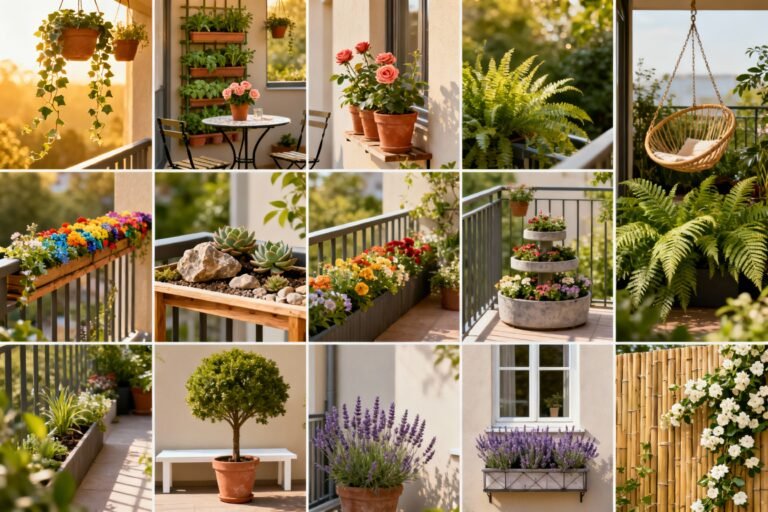
Containers bring flexibility. You can move them, edit them, and make mini-collections that suit the season. Container design follows simple rules, and when you follow them, everything looks intentional.
Designing Killer Container Combinations
- Go big on pots: Larger containers hold moisture longer and support bigger plants.
Fewer, bigger pots look cleaner than a million tiny ones.
- Use the thriller-filler-spiller formula: One focal plant, mid-level companions, and something trailing—classic because it works.
- Mix foliage first, flowers second: Foliage provides long-term interest; flowers add seasonal flair.
Container Care Made Easy
- Soil: Use high-quality container mix; add perlite for drainage.
- Watering: Group thirsty plants together; add saucers or drip irrigation if you forget (we all forget).
- Feeding: Slow-release fertilizer in spring; liquid feed during heavy bloom periods for annuals.
Pathways, Sightlines, and the “Aha” Moment
Design your small garden like a tiny stage. You want a clear entry, a focal point, and a hint of mystery—just enough to make people step inside.
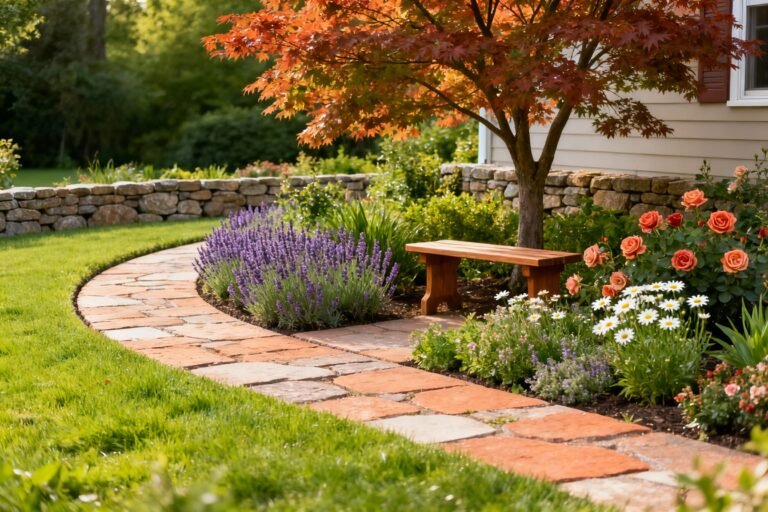
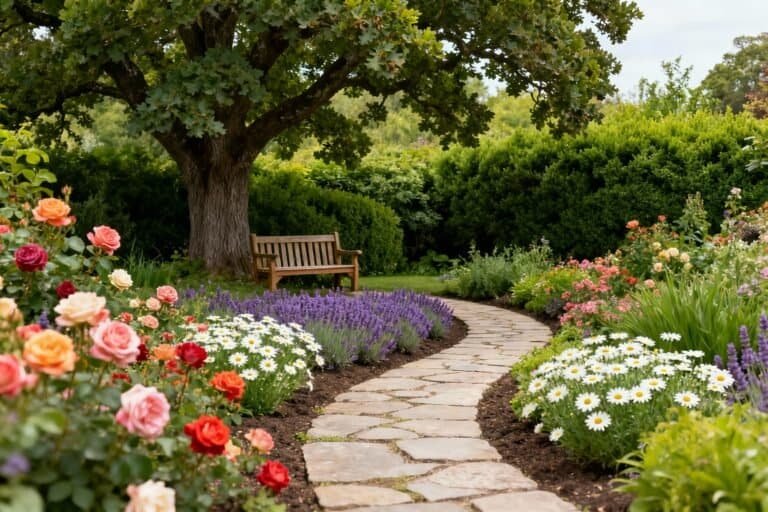
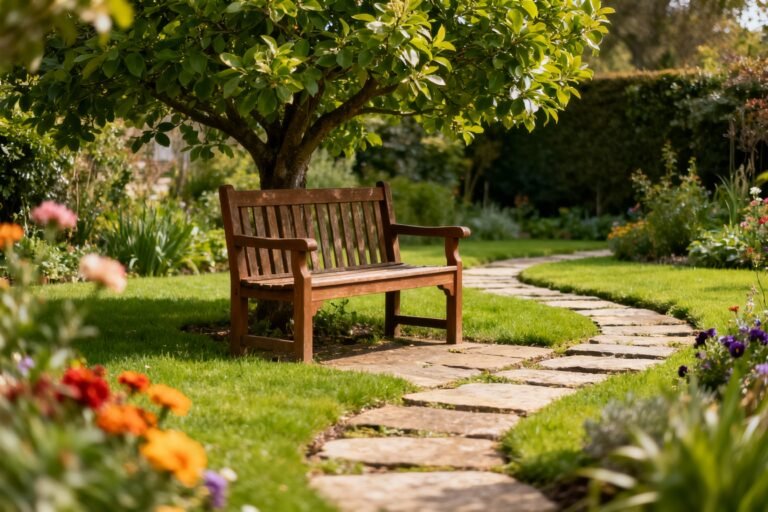
- Set a focal point: A bench under a tree, a bold pot, or a water bowl. Place it opposite the entry for instant drama.
- Curve smartly: Gentle curves create depth, but avoid 10 tiny wiggles.
Keep lines simple.
- Borrow the view: Align your seating with a distant treetop or skyline. If you’ve got nothing good out there, create your own with a tall feature.
Lighting That Doesn’t Scream “Airport Runway”
- Warm, low, indirect: Aim for subtle uplights on structural plants or the fence.
- Path markers: Low bollards or stake lights guide feet without blinding eyes.
- One hero: A pendant over the table or a lantern cluster. Don’t light everything—highlight something.
Low-Maintenance Without the Plastic Look
You can keep it easy without sacrificing soul.
The trick? Choose plants that love your climate and let them do their thing.
- Plant in layers: Groundcovers to suppress weeds, mid-level perennials, and a structural backbone of shrubs.
- Go drought-smart: Mulch well, use drip, and choose toughies like thyme, rosemary, salvia, and grasses.
- Seasonal swap-outs: A few annuals for color slots—plug and play, minimal fuss.
Small Garden Plant List (FYI, Edit for Your Climate)
- Structure: Buxus alternatives like Ilex crenata, dwarf pittosporum, compact junipers.
- Movement: Stipa tenuissima, Pennisetum alopecuroides, Carex varieties.
- Color and pollinators: Salvia ‘Caradonna’, Nepeta, Echinacea, Agastache.
- Edibles: Strawberries in pots, dwarf blueberries, compact tomatoes, basil, chives.
Storage That Disappears (Because Clutter Kills Vibes)
Every small garden needs sneaky storage. Hide hoses, tools, and cushions or your “oasis” becomes a yard sale.
- Built-in benches: Hinged lids swallow cushions and kids’ toys.
- Slatted cabinets: A narrow, vertical shed painted to match the fence vanishes visually.
- Multi-use surfaces: A bar ledge doubles as prep space and plant display.
Efficient and kinda chic, IMO.
FAQs
How do I make a tiny garden feel bigger?
Use fewer, larger elements; paint boundaries a dark color; and lead the eye to a focal point. Add vertical interest with climbers and keep the palette tight. Mirrors can help, but place them thoughtfully to avoid bird collisions and weird reflections.
What’s the best seating for very small spaces?
Go for a compact bistro set, a built-in bench, or foldable chairs you can stash.
Benches along a boundary save space and seat more people. Cushions and throws add comfort without hogging room.
Can I grow trees in a small garden?
Yes—choose small-scale or grafted varieties and keep them pruned. Consider pots for control and mobility.
One well-placed tree provides shade, privacy, and major style points.
How do I handle privacy without building a wall?
Use layered screening: a slim trellis with climbers, tall planters, and a small tree with a lifted canopy. Soft screens feel friendlier than solid fences and let light through. Your neighbors will appreciate the diplomacy.
What’s a simple planting plan I can’t mess up?
Try this: two structural shrubs in large pots, three groups of ornamental grasses, a row of herbs by the seating area, and seasonal color in one big statement container.
Repeat plants for cohesion. Water deeply, mulch, and you’re golden.
How do I keep maintenance low but the look high?
Choose tough, climate-appropriate plants, install drip irrigation, and mulch generously. Edit twice a year—spring refresh, fall cleanup.
Keep tools handy so quick jobs actually happen.
Conclusion
Small garden design rewards smart choices over square footage. Define the purpose, use vertical space, repeat materials and plants, and hide the clutter. Add one focal point, layer in cozy seating, and let a few hardworking plants do the heavy lifting.
With a little restraint and a dash of flair, your tiny plot becomes the outdoor room you actually want to use—no acreage required.