Top Plant Nursery Tips for Healthy Indoor and Outdoor Plants
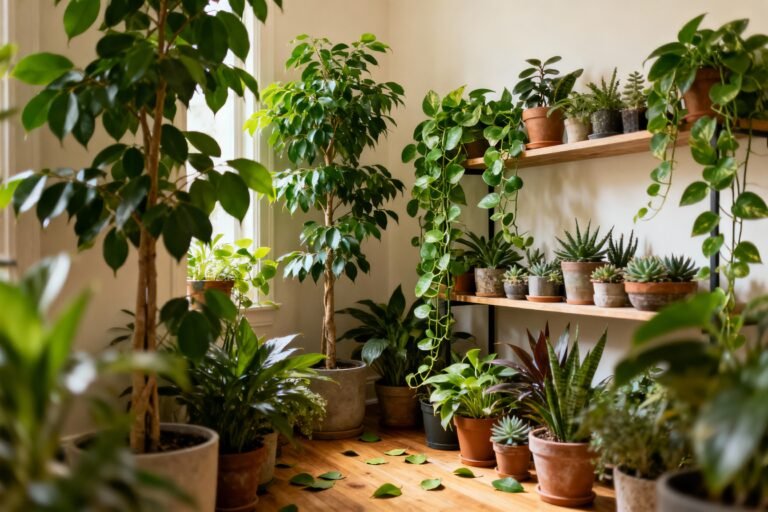
You walk into a plant nursery for a “quick look,” and suddenly you’re juggling a fern, three succulents, and a tree you can’t pronounce. Been there. Plant nurseries aren’t just stores; they’re little green universes where you can touch, smell, and daydream your way through an entire garden.
Let’s talk about how to navigate them like a pro, find plants that actually thrive at home, and avoid bringing home pests or heartbreak.
Why Plant Nurseries Absolutely Rule
You can buy plants online all day, sure. But nurseries let you see the real deal: leaf texture, color, root health, and size. No surprises, no catfished philodendrons.
You also get local knowledge. Staff know what thrives in your climate and soil because they grow it. That advice can save you money and months of frustration, FYI.
Types of Nurseries (And Which One You Need)
Not all nurseries operate the same way.
Picking the right type speeds up your plant glow-up.
- Independent garden centers: Great variety, knowledgeable staff, often locally grown stock. Prices vary, but the quality usually justifies it.
- Big-box stores: Affordable and convenient. Quality can swing from amazing to “why is this cactus soggy?” Inspect carefully.
- Specialty nurseries: Orchids, succulents, natives, rare aroids—this is your candy store if you have a niche obsession.
- Wholesale/production nurseries: Often sell to landscapers.
Some open to the public on specific days—worth checking if you need volume.
- Native plant nurseries: Goldmine for pollinator gardens and low-maintenance landscapes. Plus, you support local ecosystems.
How to Choose Your “Home” Nursery
Visit a few. Look for clean benches, labeled plants, and staff who ask about your space before recommending anything.
If they try to sell you full-sun lantana for a dim apartment window? Maybe pass.
How to Shop Smart (Without Getting Overwhelmed)
Walk in with a plan. Or at least a photo of your space.
Light, temperature, and airflow matter more than wishful thinking.
- Know your light: South or west windows? Go bold with sun lovers. North-facing apartment?
Think ferns and pothos.
- Check your schedule: If you travel a lot, skip thirsty divas. Snake plants and ZZ plants won’t judge you.
- Start small: Young plants adapt quicker and cost less. Big plants look dramatic but can struggle with change.
Red Flags to Watch For
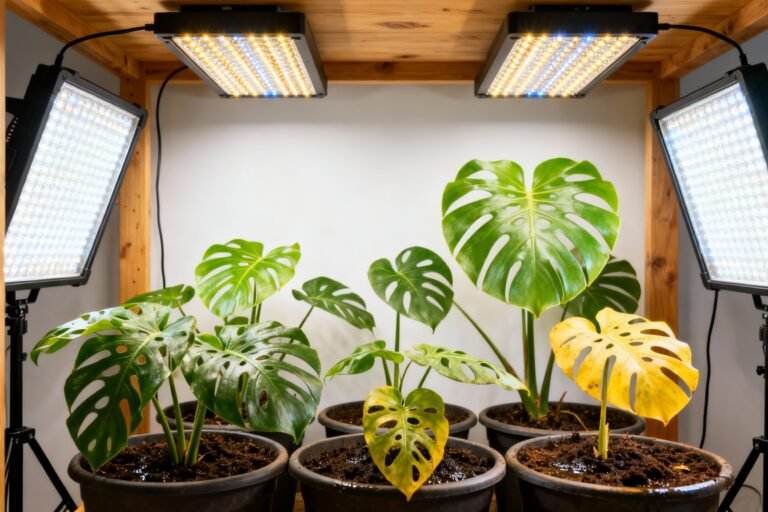
- Yellowing leaves or mushy stems
- Sticky leaves (pests) or fine webbing (spider mites)
- Overly compacted soil with algae or mold
- Roots circling tightly and popping out of drainage holes—mildly root-bound is fine, extreme isn’t
Plant Labels Decoded (Because “Partial Shade” Means What?)
Nursery tags try, but they love vague terms.
Here’s the real talk:
- Full sun: 6+ hours of direct light. Balconies and bright yards.
- Part sun/part shade: 3–6 hours. Morning sun lovers sit here.
- Shade: Under trees, north sides, filtered light.
Not a dungeon, just soft light.
- Well-draining soil: Water flows through quickly. Add perlite, pumice, or sand if your soil clumps.
- Hardiness zone: Outdoor survivability. Check your USDA or local zone and match it, IMO.
Common Label Traps
- “Drought tolerant” = once established outdoors, not on day one.
- “Low light” = tolerates low light, doesn’t thrive in it.
- Watering icons = guidelines only.
Always check soil with your finger.
Soil, Pots, and the Not-So-Optional Upgrades
You can absolutely get away with basic potting mix and a terracotta pot. But a few tweaks make a world of difference.
- Potting mix: Go general for houseplants, cactus/succulent mix for arid plants, and chunky aroid mixes for monsteras and philodendrons.
- Drainage matters: If your pot lacks a drainage hole, you’re gambling. Add one or use it as a cachepot.
- Repot timing: Repot when roots circle the pot or water runs straight through.
Spring is ideal.
- Fertilizer: Use a gentle, balanced liquid monthly during growth seasons. Ease off in winter.
Upgrade That Nursery Soil
Many nursery plants ship in moisture-retentive soil. After a few weeks of acclimation, consider repotting into a mix that suits your watering style.
Your plant will breathe easier—literally.
Pest Prevention: Bring Home Plants, Not Hitchhikers
You don’t need a hazmat suit. Just a simple routine.
- Quarantine new plants for 2 weeks away from your collection.
- Inspect leaves and stems for bugs, sticky residue, or webbing.
- Shower or wipe leaves when you bring them home.
- Use yellow sticky traps near the pot to monitor fungus gnats.
If You Spot Pests
Treat with insecticidal soap or neem oil weekly for a few rounds. Wipe leaves and check undersides.
Be consistent and you’ll win. Don’t panic—plants bounce back faster than most of us after Monday.
Designing with Nursery Finds
You don’t need a landscape degree. You just need balance and a little personality.
- Group by light needs: Keep shade lovers together, sun lovers together.
Easy mode.
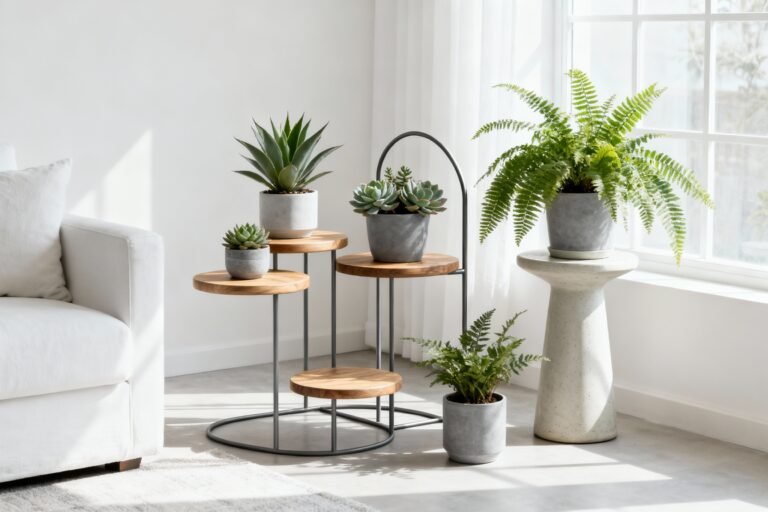
- Vary heights and textures: Mix tall statement plants with bushy fillers and trailing vines.
- Repeat colors: A few repeating tones (green-on-green, or pops of burgundy) make it look intentional.
- Think in threes: Odd-number groupings look natural and curated.
Outdoor Beds: Quick Wins
- Start with structural plants (shrubs or grasses).
- Layer in perennials for color and pollinators.
- Use annuals to fill gaps and experiment with color.
Seasonal Finds You Shouldn’t Miss
Nurseries rotate treasures through the year. Time your visits for peak joy.
- Spring: Herbs, perennials, fruit trees, veggie starts. Go early for the best selection.
- Summer: Heat-lovers, tropicals, and clearance racks.
Watering tools matter now.
- Fall: Trees, natives, bulbs for spring blooms. Cooler temps mean easier planting.
- Winter: Houseplants, evergreens, seed packets, and tools. Planning season = the nerdy fun.
FAQs
How do I pick a healthy plant at the nursery?
Check for firm stems, vibrant leaves, and moist (not soggy) soil.
Peek at the roots through the drainage holes—white or tan roots = healthy. Avoid plants with pests, heavy leaf drop, or strong mildew smells. If it looks tired now, it won’t magically perk up at home.
Should I repot my new plant right away?
Usually, no.
Let it acclimate for 2–3 weeks unless the soil stays wet for days or roots burst out of the pot. After that, repot into a slightly larger container with a well-suited mix. Gentle hands and a small upgrade go a long way.
What’s the best beginner plant from a nursery?
Snake plant, pothos, ZZ plant, spider plant, or a peace lily if you like drama (it droops when thirsty, then forgives you).
Outdoors, try marigolds, lavender, or native perennials that match your zone. Low-stress, high-win choices, IMO.
How do I avoid fungus gnats?
Don’t overwater. Let the top inch of soil dry out, use a well-draining mix, and bottom-water occasionally.
Sticky traps help, and a light top dressing of sand or small gravel can discourage egg-laying. Gnats hate dry soil; your plants mostly love it.
Are big-box store plants “bad”?
Not inherently. You can find gems.
Just inspect more carefully, and expect less tailored advice. If the plant looks healthy and suits your light, go for it. Support your local indie nursery when you can—they often carry better selections and rarities.
How many plants is too many?
When watering takes longer than your lunch break.
Kidding. Mostly. If you can’t keep up with care, scale back.
Your plants prefer consistent attention over a jungle you can’t manage.
Conclusion
Plant nurseries offer more than greenery—they offer possibility. You go in with a vague idea and leave with a mini forest that suits your space and your life. Ask questions, pick healthy plants, upgrade the soil, and keep things simple.
Your home will breathe better, and honestly, so will you. Now go touch some leaves (gently), and bring home something that makes you grin every time you walk by.