Spider Plant Care for Beginners: Easy Steps for Lush Growth
Spider plants are the laid-back roommates of the plant world: tidy, low-drama, and weirdly generous with babies. You can neglect them a bit and they’ll still put on a show. Want something green that doesn’t demand therapy-level attention?
This is your plant. Let’s get you set up with the easiest win you’ll have all week.
Meet the Spider Plant (and Why You’ll Love It)
Spider plants (Chlorophytum comosum) shoot out graceful arching leaves and adorable “spiderettes”—those little baby plants hanging on runners. They thrive in homes, offices, dorms, and probably space stations.
They don’t judge your watering habits too harshly, and they bounce back from minor chaos. Best part? They clean the air, grow fast, and forgive your learning curve. FYI, they’re also non-toxic to pets, which is a relief if your cat considers foliage a salad bar.
Light: Bright, Not Blinding
Spider plants like bright, indirect light. Think “near a window, not pressed against it.” Harsh afternoon sun can scorch leaves, especially the variegated ones.
- Ideal spot: East-facing window, or a few feet back from a bright south or west window.
- Low light? They’ll survive, but growth slows and variegation fades a bit.
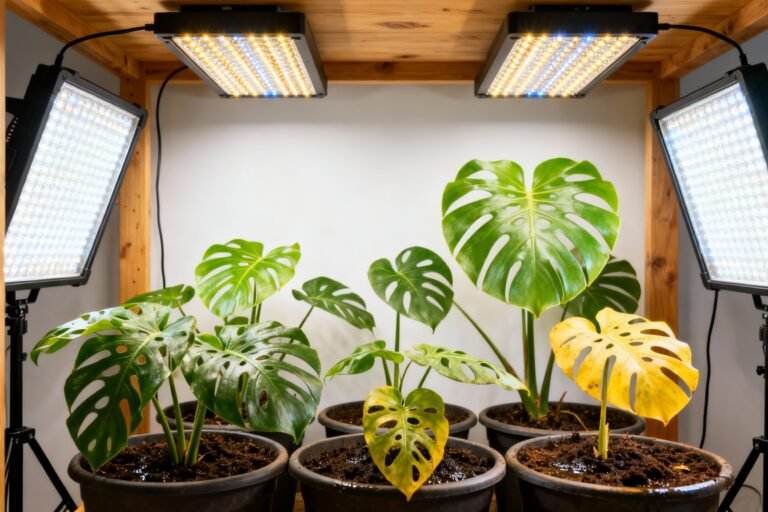
- Grow lights: Totally fine.
Aim for 8–12 hours of diffused light daily.
Signs Your Light Is Off
- Too much light: Brown, crispy tips and bleached streaks.
- Too little light: Leggy growth and pale leaves.
Water: Keep It Chill, Not Swampy
Here’s the trick: water when the top inch of soil dries out. Spider plants store some moisture in their roots, so they tolerate a little forgetfulness. They hate sitting in wet soil though.
- Routine: Every 1–2 weeks, depending on light, pot size, and your home’s humidity.
- Drainage: Non-negotiable.
Use a pot with drainage holes.
- Water quality: They can sulk with fluoride or chlorine. If tips brown, try filtered, rain, or let tap water sit overnight.
What About Those Brown Tips?
Common causes:
- Fluoride/chlorine in water
- Over-fertilizing
- Underwatering or overly dry air
Clip the tips if they bug you. Angle your cuts to follow the leaf’s natural shape—no straight-across bangs, please.
Soil and Potting: Airy and Quick-Draining
Spider plants dislike wet feet, so give them a breathable mix.
Standard houseplant or indoor potting mix works, but you can level it up.
- Great mix: 2 parts potting soil + 1 part perlite + 1 part coco coir or peat.
- Terracotta pots: Nice for people who overwater; they breathe and wick away moisture.
- Plastic/ceramic: Fine—just watch your watering frequency.
Repotting 101
When roots circle the pot or the plant lifts itself up (drama queen), repot one size up.
- Water lightly the day before.
- Loosen roots gently; trim dead or mushy ones.
- Reset in fresh mix with the crown just above soil level.
IMO, repot in spring for least stress and fastest rebound.
Fertilizer: A Little Goes a Long Way
You don’t need to feed constantly. Spider plants grow fast, but they burn easily with too much fertilizer.
- Frequency: Monthly during spring and summer; skip or go light in fall/winter.
- Type: Balanced liquid fertilizer at half-strength.
- Warning: Overfeeding = more brown tips. When in doubt, dilute.
Humidity and Temperature: Comfortable and Casual
They like the same temps you do—no need to sweat the details.
- Temperature sweet spot: 65–80°F (18–27°C).
- Humidity: Average indoor is fine; they appreciate a little extra in winter.
- Avoid: Cold drafts, heat vents, or being pressed against frosty windows.
Winter Care
- Water less frequently as growth slows.
- Move a touch closer to light if days feel gloomy.
- Don’t repot unless it’s an emergency—let it nap.
Propagation: Spiderettes for Days
This is the fun part.
Those baby plants dangling from runners are basically handing you free plants.
- Option 1: Keep attached and root in place. Set the baby on moist soil in a separate pot. Once rooted, snip the runner.
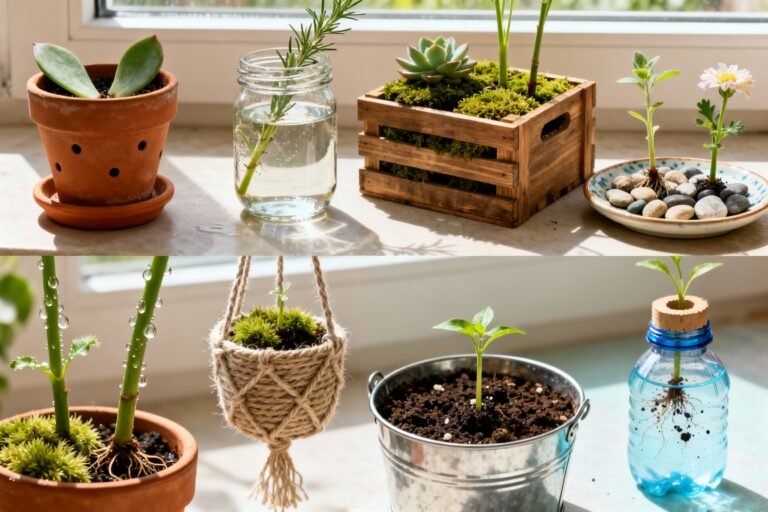
- Option 2: Snip first. Take a spiderette with a node, stick it in water or soil, and keep it lightly moist until roots appear.
- Water method: Change water every few days, then pot up once roots hit 1–2 inches.
When Will My Plant Make Babies?
Mature plants produce runners under bright light and when slightly root-bound. If yours acts shy, give it more light, and hold off on repotting a bit.
Patience, grasshopper.
Common Problems (and Quick Fixes)
Let’s troubleshoot like plant detectives.
- Brown tips: Water quality, fertilizer salts, or inconsistent watering. Try filtered water and flush soil monthly.
- Yellow leaves: Overwatering or poor drainage. Let soil dry a bit more and check for soggy roots.
- Droopy foliage: Thirsty or root-bound.
Water thoroughly or repot if roots are jam-packed.
- Faded variegation: Not enough light. Move it closer (indirect light still).
- Pests (spider mites, mealybugs, aphids): Wipe leaves, shower plant, and treat with insecticidal soap or neem weekly until clear.
Styling and Placement Ideas
Spider plants love a bit of drama. Let those runners trail and you’ll get instant jungle vibes.
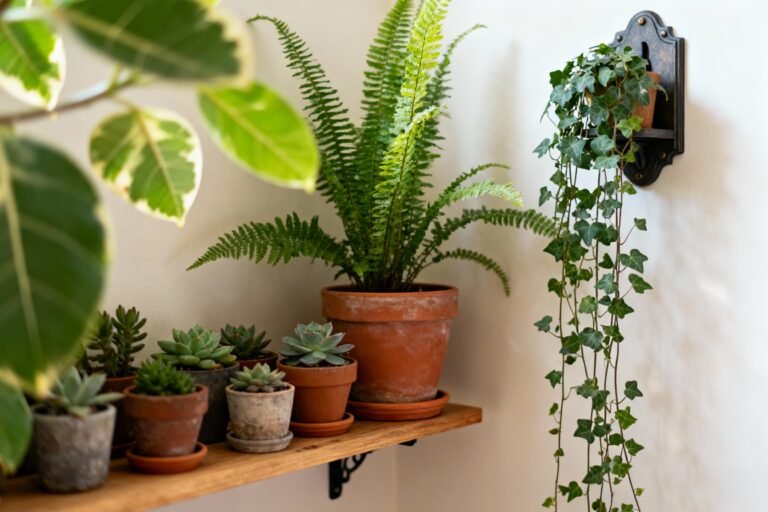
- Hanging baskets: Perfect for showcasing spiderettes.
- Shelf edge hero: Let the babies cascade down.
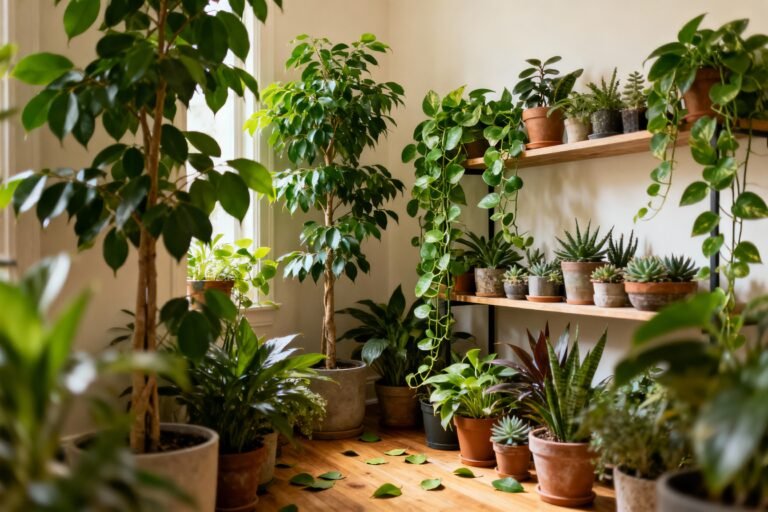
- Grouping: Pair with upright plants for contrast—snake plants, ZZ plants, or a philodendron.
Pet-Friendly Win
FYI, spider plants are non-toxic to cats and dogs.
Cats may still nibble leaves because cats do what they want. Elevate or hang if you prefer an un-chewed aesthetic.
FAQ
Why does my spider plant have brown tips even though I water regularly?
Brown tips often come from minerals in tap water, fertilizer buildup, or dry air. Switch to filtered or distilled water, flush the soil monthly, and reduce fertilizer strength.
You can trim tips for looks. The plant won’t mind the haircut.
How often should I repot a spider plant?
Every 1–2 years, or when roots circle the pot and water runs straight through. Go up one pot size only.
Fresh soil perks them up, but they actually like being a bit snug.
Can spider plants live in low light?
They can survive low light, but they won’t thrive. Expect slower growth and less variegation. Move it closer to bright, indirect light for best color and those cute spiderettes.
Do spider plants need misting?
Not really.
They tolerate normal indoor humidity like champs. If your air runs desert-dry in winter, a pebble tray or occasional mist won’t hurt, but focus more on watering consistency. IMO, consistent soil moisture beats misting every time.
What’s the best way to propagate spider plant babies?
Either root them in water until you see 1–2 inch roots, or place them directly in moist soil.
Keeping babies attached while they root works great too. Choose whatever fits your patience level.
Why isn’t my spider plant making babies?
It probably needs more light or a slightly tighter pot. Mature plants throw runners when happy.
Boost light, hold off on repotting, and keep a steady feeding schedule in spring and summer.
Conclusion
Spider plants deliver maximum charm for minimal effort. Give them bright, indirect light, water when the top inch dries out, and skip the heavy-handed fertilizer. They’ll reward you with arching leaves, air-cleaning vibes, and a steady stream of baby plants.
Low-maintenance, high payoff—kind of the dream, right?