Rock Landscaping Ideas: How to Use Stones for Stunning Gardens
Rocks don’t ask for water, they don’t outgrow the space, and they definitely won’t ghost you mid-summer. If your yard needs a glow-up that’s low-maintenance and high-impact, rock landscaping delivers. Think texture, shape, color, and structure—without the weeds and watering tantrums.
Ready to make your outdoor space look curated without turning into a weekend gardener? Let’s rock this. (Sorry. Had to.)
Why Rocks Make Sense (And Look Amazing)
Rocks add instant structure and style.
They define paths, frame plants, and make your yard look finished—even if you “finished” it in a single afternoon. They work with any vibe: modern, rustic, desert chic, Zen, cottage garden—you name it. They also help with maintenance. Rocks suppress weeds (especially with a landscape fabric), reduce soil erosion, and keep moisture where plants want it. Plus, rocks don’t fade like mulch or blow away every time the wind sneezes.
IMO, that’s a win.
Create a Rock Garden That Actually Looks Intentional
You can’t just dump a pile of stones and call it art. A good rock garden feels natural and designed at the same time. Start with a focal area—like a slope, a corner, or a bare space that needs texture—and build around it.
- Mix sizes: Use boulders for structure, river rocks for flow, and gravel for fill.The variety adds depth.
- Layer in plants: Drought-tolerant winners like sedum, thyme, lavender, yucca, and ornamental grasses pop against stone.
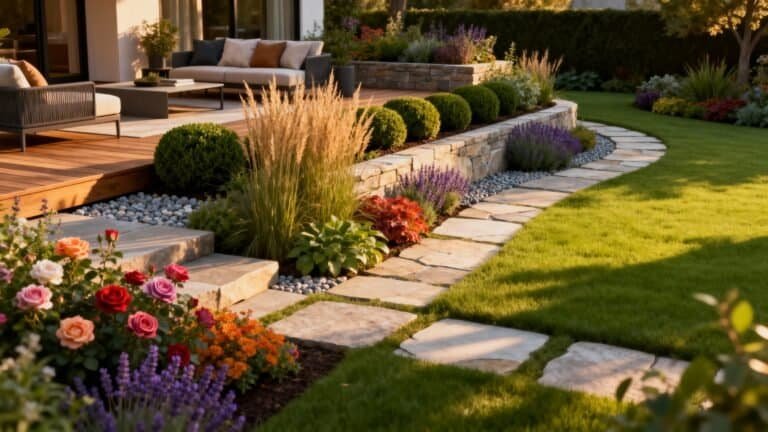
- Think color and contrast: Gray granite loves green foliage. Warm-toned sandstone pairs nicely with purple flowers. FYI, black Mexican beach pebbles make everything look luxe.
Pro Tip: Bury the Base
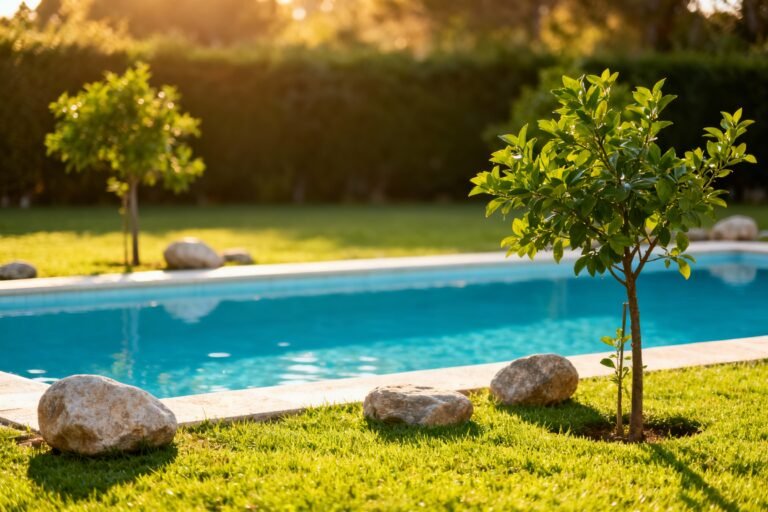
Set larger rocks with at least a third of the stone below grade.
It makes them look like they belong there, not like you just dropped them off your truck at lunch.
Pathways That Feel Like a Mini Vacation
A great path guides the eye and your guests. It also keeps feet out of your plants (bless). Choose a style that matches your home and yard.
- Gravel path: Budget-friendly, fast to install, and great for drainage.Use metal or plastic edging to keep it tidy.
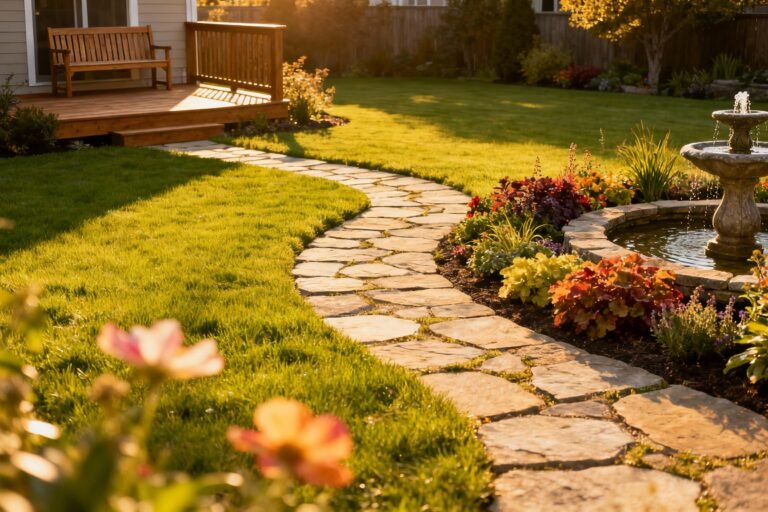
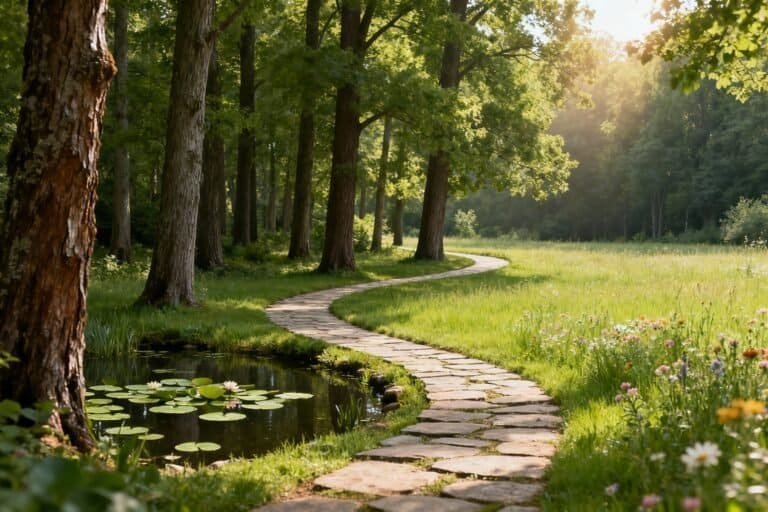
- Stepping stones: Create a relaxed vibe. Set into mulch or groundcover like creeping thyme for extra charm.
- Flagstone walkway: Bigger stones = fewer trip hazards. Joint with decomposed granite for a clean look.
Don’t Skip the Base Layer
Lay 2–3 inches of compacted crushed rock (a.k.a. base or road mix) under gravel or pavers.
It helps prevent settling and weeds. Your future self will thank you.
Dry Creek Beds That Double as Drama and Drainage
Got a soggy low spot or water that runs through your yard during storms? Turn it into a feature with a dry creek bed.
It looks like a natural stream—only without the HOA paperwork.
- Shape it with curves: Nature hates straight lines. Create soft bends to guide the eye and slow water.
- Use mixed stones: Boulders near “banks,” medium stones in the middle, and small gravel as the “streambed.”
- Add plants strategically: Grasses, sedges, and small shrubs soften the edges and stabilize soil.
Make It Functional
If you’re handling runoff, slope the bed gently (1–2%) and direct water away from structures. Use landscape fabric under the stones to keep the channel clear of silt.
Looks good, works hard—dream team.
Low-Water, High-Style: Desert and Zen Vibes
Not into constant watering? Same. A dry garden can look sculptural and serene—and it thrives on neglect.
- Desert palette: Combine cactus, agave, aloe, and yucca with crushed granite or pea gravel.Toss in some weathered boulders for drama.
- Zen minimalism: Raked gravel, a few large stones, and evergreen shrubs create calm. Keep the palette tight and textures simple.
- Container moments: Large ceramic pots on a gravel pad = instant sophistication with zero guesswork.
Color Matters
Warm-toned gravels (gold, tan) make a space feel sunny and inviting. Cool tones (gray, blue) vibe modern and calm.
Match your rock color to your house exterior for a cohesive look.
Rock Mulch: The Set-It-and-Forget-It Option
Rock mulch beats organic mulch for longevity. It won’t decompose or blow away, and it looks clean for years. Use it around shrubs, trees, and perennial beds where you don’t rework soil often.
- Best spots: Slopes, hot areas near pavement, and anywhere you want low upkeep.
- Plant-friendly choices: River rock around shrubs, pea gravel for herb beds, crushed granite for modern borders.
- Depth: 2–3 inches does the job.Don’t smother trunks—leave a mulch-free ring.
Watch the Heat
Rocks can reflect heat. In super hot climates, pick lighter colors and give tender plants some breathing room. Your rosemary will appreciate the personal space.
Accent Features That Steal the Show
Want that “wow” without reshaping your whole yard?
Add a statement rock feature or two.
- Boulder clusters: Three stones of different sizes grouped together beat one lonely chunk every time.
- Rock fire pit: Build with stacked stone or surround a metal bowl with gravel. Cozy, stylish, s’mores-ready.
- Gabion walls: Wire baskets filled with stones create modern borders, benches, or planters. Industrial-chic and surprisingly DIY-friendly.
- Rock edging: A tidy line of cobbles or flagstone instantly defines beds and keeps mulch in place.
Lighting Makes It Magic
Place low-voltage lights to graze over stone textures or uplight a boulder.
Shadows + texture = expensive look for not a lot of money, IMO.
How to Choose the Right Rocks (Without Overthinking It)
Yes, you can get picky. But don’t spiral. Use these quick guidelines:
- Match your regional style: Use stone that appears locally when possible.It feels natural and usually costs less.
- Complement your house: Pull colors from your roof, trim, or brick. Cohesion matters.
- Mix textures, not chaos: Choose one “hero” rock and one or two supporting types. More than that looks noisy.
- Size with purpose: Big rocks for structure, small rocks for fill.Medium rocks bridge the gap.
- Test a sample: Wet rocks to see their true color. Sunlight changes everything.
Where to Source
Stone yards beat big-box stores on price and selection. Bring photos of your space, ask for local stone, and measure before you go.
FYI, a cubic yard of gravel weighs about 2,800–3,000 pounds—plan delivery.
Installation Basics You Shouldn’t Skip
Strong foundations make rock features last. You don’t need a contractor for everything—just a little prep.
- Grade and drain: Slope away from buildings. Even a subtle pitch (1/8 inch per foot) helps.
- Weed barrier: Use high-quality fabric under decorative rock.Skip plastic; it traps water.
- Compact base: For paths and patios, use compacted crushed rock before gravel or stone.
- Edge it: Steel, aluminum, or stone edging keeps shapes crisp and rocks where they belong.
- Finish clean: Blow off dust and hose rocks lightly to reveal color. Instant upgrade.
FAQ
Do rocks attract heat and harm plants?
Rocks can reflect heat, especially dark ones. Choose lighter colors in hot climates and give plants some spacing.
You can also use a mix—rock mulch in open areas and organic mulch closer to thirsty plants.
How thick should my rock layer be?
For decorative rock mulch, aim for 2–3 inches. For pathways, use 2–3 inches of compacted base plus 1–2 inches of top gravel. Around boulders, bury about a third of the rock to lock it in.
Can I put rocks directly on soil?
You can, but you’ll regret the weeds.
Lay down landscape fabric under decorative rock and a compacted base under paths or patios. It keeps your design neat and low-maintenance.
What plants work best with rock landscaping?
Drought-tolerant and sun-loving plants crush it: lavender, salvia, sedum, thyme, sage, yucca, agave, feather reed grass, and small conifers. In shade, try hellebores, hosta, and Japanese forest grass mixed with smooth river stones.
How do I keep gravel from scattering?
Install edging and choose angular gravel (like crushed granite) rather than round pea gravel for high-traffic areas.
Compact the base and top layer. A quick rake reset every few weeks keeps it tidy.
Is rock landscaping eco-friendly?
Used wisely, yes. Rocks reduce water use and erosion, and local stone cuts transport impact.
Balance heat reflection with smart plant choices, and avoid covering every inch—plants still matter for biodiversity.
Conclusion
Rocks bring structure, style, and sanity to your yard. Start small—a path here, a boulder cluster there—and build as you go. Keep the palette tight, prep the base, and choose plants that love the setup.
Do that, and your landscape will look polished year-round with minimal effort. Your hose can finally take weekends off.