Jade Plant Bonsai Care: A Complete Beginner’s Guide
Jade plant bonsai look like tiny, living sculptures with personality—chunky trunks, shiny leaves, and a vibe that says “I’m chill, but also majestic.” They’re forgiving, beginner-friendly, and they don’t need constant babysitting. Want a bonsai that won’t punish you for missing a watering or two? Meet the Crassula ovata, your new low-stress green roommate.
Why Jade Makes a Killer Bonsai
Jade plants basically come pre-loaded with bonsai traits.
Thick, woody trunks? Check. Compact growth?
Check. Leaves that actually look good small? Double check.
You can shape one into a windswept miniature tree without a botany degree. They also thrive indoors with bright light, which makes them perfect for apartments and offices. Plus, they store water, so they forgive your hectic schedule.
FYI, you still need to care—just not obsess.
Light, Water, and Soil: The Big Three
Light: Jades crave bright, indirect sun. A south or west window works beautifully. If the leaves stay pale and stretchy, they want more light.
If the tips blush red, you nailed it. Water: Let the soil dry out between waterings. Then water deeply. Overwatering kills more jades than anything.
If you see yellow, mushy leaves, hit pause. If leaves wrinkle, it’s thirsty. Soil: Use a fast-draining mix. A cactus/succulent blend with added grit works great.
- 50% succulent soil
- 25% pumice or perlite
- 25% lava rock or coarse sand
Pro Tip: Drainage Matters
Use a bonsai pot with drainage holes.
Add a mesh screen over holes and a layer of larger gravel. Jade hates wet feet. Don’t argue with it.
Shaping Your Jade: Styling Without Stress
You can style jade bonsai almost like a tiny tree, but keep its quirks in mind.
The branches grow thick and juicy, then woody. That means patience pays off, and heavy bending needs care.
- Clip-and-grow: The safest approach. Prune to a node facing the direction you want new growth.Let it grow, then prune again.
- Wiring: You can wire younger branches, but go easy. Jade scars easily. Use soft aluminum wire and check weekly.
- Deadwood?Meh:
Jade doesn’t do dramatic deadwood features like junipers. Focus on clean lines and balance.
Choosing a Style
- Informal upright: Natural and forgiving. Slight curves.Classic jade look.
- Broom: Great for thicker trunks with umbrella-like canopies.
- Cascade/semi-cascade: Tricky but striking if you have a trailing branch.
- Sumo style: Short, thick, powerful trunk. IMO, jade does this best.
Pruning for Shape and Ramification
Pruning keeps the canopy compact and the silhouette sharp. Wait until the plant looks happy—new growth, firm leaves—then prune in small sessions.
- Timing: Spring through early fall works best.Avoid heavy cuts in winter.
- Technique: Cut above a node. New branches usually sprout there. Don’t leave stubs; jade heals slowly.
- Leaf size control: More light and consistent pruning reduce leaf size.No need to defoliate like with maples.
Thickening the Trunk
Want that gnarly, ancient look? Let a sacrifice branch grow wild for a season or two to thicken the trunk, then remove it. Keep the tree in a larger training pot while it bulks up.
Once the trunk looks beefy, shift to a bonsai pot.
Repotting Without Drama
Jade doesn’t demand constant repotting. Every 2–3 years is fine. Repot in late spring or early summer when the plant grows actively.
- Prep: Stop watering a few days beforehand.Dry soil makes the root mass easier to handle.
- Root work: Trim no more than 20–30% of the roots. Jade stores water in its tissues—if you chop too much, it sulks.
- Aftercare: Lightly water once after repotting, then wait until the mix dries before the next drink.
Picking the Right Pot
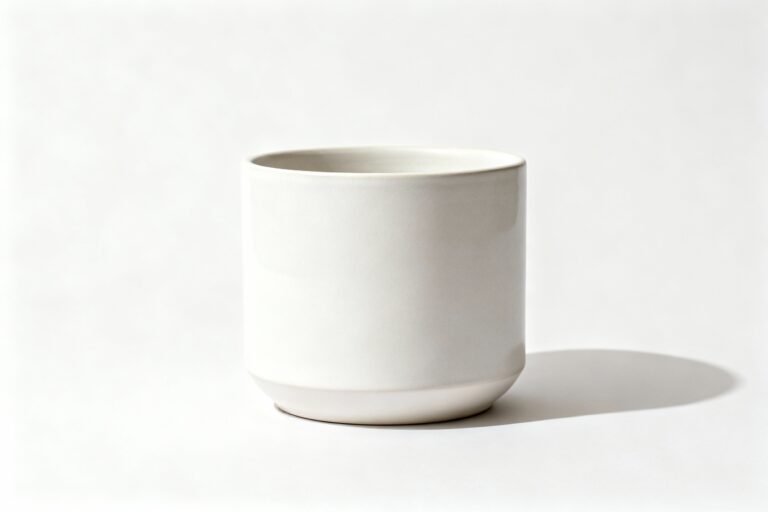
Jade looks great in shallow, unglazed containers, but glazed ceramic can pop against those glossy leaves. Choose:
- Oval or rectangle: Balanced, classic.
- Shallow depth: Just enough for stability and roots.
- Color: Cool tones (gray, blue, jade—obviously) complement the foliage.
Fertilizing and Seasonal Rhythm
Jade grows in pulses.
Feed lightly during active growth and back off in colder months.
- Fertilizer: Balanced, diluted liquid feed (e.g., 1/4 strength) every 4–6 weeks in spring and summer.
- Pause: Cut fertilizer in late fall and winter when growth slows.
- Micronutrients: Occasional trace element supplement helps keep leaves glossy and vibrant. FYI, don’t overdo it.
Flowering: The Bonus Round
Jade can bloom with starry white or pinkish flowers in late fall or winter. Cool nights, bright days, and a slight drought period can trigger it.
Don’t chase blooms at the expense of the tree’s health, but if you get them—chef’s kiss.
Common Problems (And How to Not Panic)
Overwatering: Yellow, mushy leaves and blackened stems mean rot. Let it dry. Remove any mushy parts with sterile tools.
Repot if the soil stays soggy. Underwatering: Wrinkled or droopy leaves recover quickly after a thorough drink. If soil pulls from the pot edges, rehydrate slowly. Pests: Mealybugs love jade like it’s an all-you-can-eat buffet. Dab with alcohol on a cotton swab, then spray with insecticidal soap.
Check leaf crotches and branch joints. Sunburn: Brown, crispy patches appear after sudden full sun. Acclimate over a week or two. Indoors near glass?
Watch for magnified heat.
Safety and Mess Factor
Jade is mildly toxic to pets if they chew it. Keep it out of chomp range. It also drops leaves when stressed—don’t freak out at a few on the soil.
Clean them up to avoid fungus gnats.
Propagation: Because One Jade Is Never Enough
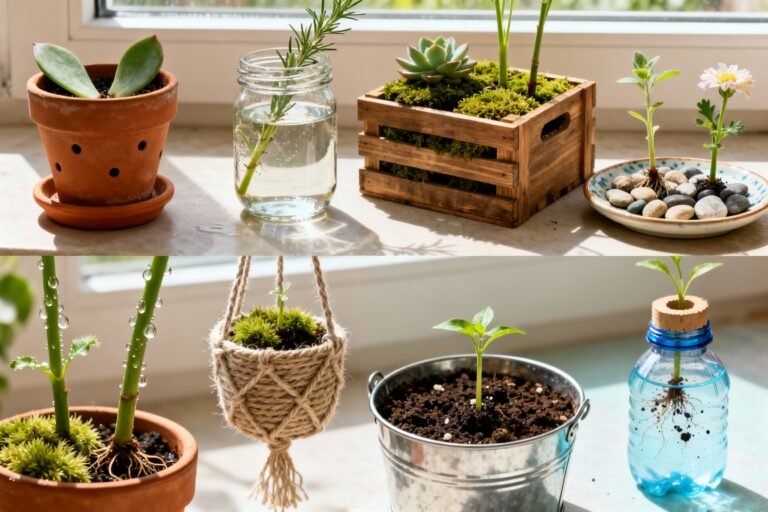
Jade practically begs you to make clones. You can turn pruned pieces into new trees. It’s the bonsai version of buy-one-get-three-free.
- Leaf cuttings: Let a healthy leaf callus for 2–3 days.Place on gritty mix. Mist lightly. Tiny plants form at the base.
- Stem cuttings: Best for bonsai.Let the cut end dry for a few days, then plant in dry, gritty mix. Water lightly after a week. Boom—roots.
- Air layering: Less common but possible on thicker branches for instant trunks.
FAQ
Can I keep a jade bonsai entirely indoors?
Yes, and many people do.
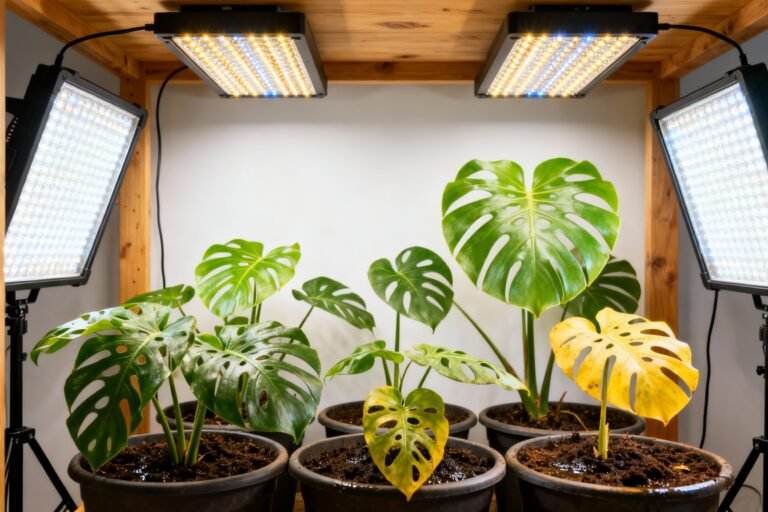
Give it bright, indirect light or supplement with a grow light, and rotate the pot monthly for even growth. If you can, let it vacation outdoors in warm weather for bonus vigor.
How often should I water?
Water only when the top inch or two of soil feels dry. In summer, that might be weekly; in winter, it could be every 2–3 weeks.
Always water deeply and let excess drain—no saucer swamps.
Do jade bonsai need wiring?
Not always. Clip-and-grow works beautifully, and it avoids scarring. If you wire, use gentle bends and remove the wire before it bites—usually within a few weeks, since jade swells fast.
Why are my jade leaves dropping?
Usually stress from overwatering, sudden light changes, or cold drafts.
Check your watering routine, move it to brighter light gradually, and keep it away from AC vents or chilly windows.
Can jade bonsai live outside?
Yes, in mild climates. Keep it above 40°F (4°C) and protect from frost. Morning sun with afternoon shade works best, especially during heat waves.
How do I get smaller leaves?
Increase light, prune regularly, and avoid heavy fertilizing.
Jade naturally miniaturizes foliage under strong light and thoughtful shaping. IMO, patience beats gimmicks every time.
Conclusion
Jade plant bonsai deliver big bonsai vibes with half the stress. They forgive missed waterings, respond well to pruning, and look legit ancient after a few seasons of care.
Start with strong light, fast-draining soil, and gentle shaping, and you’ll have a tiny tree that makes you smile every time you pass it. Low drama, high style—what’s not to love?