How to Grow Blue Flowers: Care Tips for Beginners
Blue flowers don’t shout for attention like neon-pink bougainvillea or fire-engine-red roses. They whisper. They look cool, almost mysterious, and they draw you in like a twilight sky.
If you’ve ever spotted a true-blue bloom, you probably did a double take. Are they rare? Kind of.
Are they worth the chase? Absolutely.
What Do We Mean by “Blue Flower,” Anyway?
Let’s set the record straight. Most “blue” flowers in gardens lean purple or violet.
That still counts in conversation, but plant nerds get picky. True blue in petals is surprisingly tricky because plants lack a natural blue pigment like animals do. Plants create blue through chemistry, not a dedicated blue dye. They tweak red pigments (anthocyanins) and use pH shifts, metal ions, and cell structures to reflect blue light. Wild, right?
This is why a hydrangea might look powder-blue in one yard and pink down the street.
Quick Example
– Hydrangeas turn blue in acidic soil with available aluminum. – Delphiniums naturally carry that saturated sky-blue tone without soil shenanigans. – “Blue roses” don’t exist naturally. The closest are dyed or genetically engineered to be lavender-ish. Sorry, florist magic has limits.
Why Blue Flowers Hit Different
Blue carries a vibe.
It’s calm. It cools down hot color palettes. It suggests dusk, ocean, quiet—basically, a spa for your eyeballs.
In a garden full of warm tones, a blue cluster feels like a deep breath. Design-wise, blue recedes. That means it makes small gardens feel bigger and softens intense borders. Pair blue with white and silver for a moonlit theme, or contrast it with yellow for instant pop. IMO, yellow + blue is the “jeans and a white tee” of garden combos: timeless and unfussy.
Smart Pairings
- Blue + Yellow: Delphiniums with coreopsis or rudbeckia.
Easy drama.
- Blue + White: Salvia with shasta daisies. Classic cottage vibes.
- Blue + Silver: Nigella with dusty miller. Ethereal and low-key magical.
- Blue + Pink: Cornflowers with pink yarrow.
Sweet without saccharine.
Meet the All-Star Blue Blooms
You want names. You want reliable performers. Here’s a no-nonsense lineup that won’t ghost you mid-season.
- Delphinium: Tall, stately spikes in cobalt, sky, and ultramarine.
Needs staking and decent soil. Worth the diva energy.
- Salvia (Salvia nemorosa, S. guaranitica): Long bloom time; bees and hummingbirds love it. Easy care and rebloom with deadheading.
- Cornflower (Centaurea cyanus): True-blue bachelor buttons.
Cheap, cheerful, and perfect for cutting.
- Nigella damascena (Love-in-a-mist): Soft, airy blue with funky seed pods. Looks like a fairy designed it.
- Hydrangea macrophylla: Turns blue in acidic, aluminum-rich soil. Great for big, blousy color balls.
- Himalayan blue poppy (Meconopsis betonicifolia): The unicorn.
Stunning sky-blue petals. Tricky to grow, but plant people worship it.
- Gentians: Low-growing alpine types with electric-blue trumpets. Gorgeous in rock gardens.
- Agapanthus: Blue-lilac globes on tall stems.
Loves sun and looks elegant in clusters.
- Blue flax (Linum perenne): Delicate, airy, and surprisingly tough. A naturalistic meadow hero.
How to Actually Get Blue (Not Purple)
You plant something labeled “blue” and end up with violet. Classic.
Here’s how to nudge things toward the color you want. Soil pH matters for certain species. Hydrangeas shift color based on pH and aluminum availability. Other plants stay blue regardless, but intensity can vary.
Action Steps
- Test your soil pH. You can’t guess this. Aim for 5.0–5.5 for blue hydrangeas.
- Add aluminum sulfate around hydrangeas if your soil lacks aluminum.
Follow package rates (FYI, overdoing it can burn roots).
- Choose naturally blue species (delphinium, cornflower, gentian) for reliable color without chemistry.
- Give enough sun. Blue tones look richer in bright light. Shade can muddy color.
Designing with Blue: A Quick Blueprint
Blue can look icy if you overdo it. Think of it like salt: essential, but easy to oversalt. – Anchor with structure: Use blue as a ribbon through the border, not the whole outfit.
Salvia in drifts, delphiniums as vertical exclamation points. – Layer heights: Tall delphiniums in back, midsize salvia or agapanthus mid-bed, ground-level creeping speedwell or blue fescue up front. – Use foliage: Silver lamb’s ear, blue fescue, and variegated hosta make blue flowers look fancier than they are. – Repeat color: Echo blue pots, cushions, or a painted trellis to tie the garden together. It feels intentional, not random.
Small Space Hacks
– Containers with hydrangea + dusty miller + white lobelia = elegant patio combo. – Window boxes with cornflowers and trailing ivy. Cute, low-fuss, very “I definitely meant to do this.”
Care Tips So Your Blues Don’t Fade
Blue flowers don’t need babysitting, but they appreciate attention.
You know, like cats. Water and light: Most blue bloomers love full sun and consistent moisture, especially during flowering. Hydrangeas need more water; delphiniums hate dry roots. Feeding: Balanced fertilizer in spring helps with bloom power. For hydrangeas, use a fertilizer lower in phosphorus if you want to maintain aluminum uptake. Maintenance:
- Deadhead salvias and cornflowers to keep color coming.
- Stake delphiniums early so they don’t faceplant at the first breeze.
- Divide agapanthus every few years if they sulk or crowd their pots.
Blue Flowers in Culture and Mood
Blue symbolizes longing, mystery, and the chase for the unattainable.
Poets love it. Painters, too. Honestly, the elusive nature of true-blue blooms just adds to the romance.
Place a blue patch near a seating area and you’ll notice you sit there longer. Coincidence? Maybe.
IMO, blue tricks the brain into relaxing.
The Legendary “Blue Rose” Problem
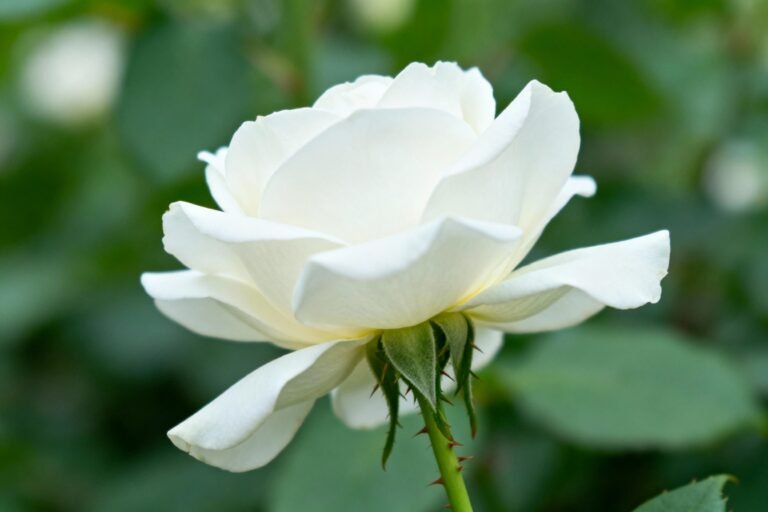
Humans wanted blue roses so badly we tried dye, breeding, and biotech. The engineered varieties still skew lavender. Moral of the story: nature says “lol, no” sometimes, and that’s okay.
Choose a blue delphinium next to a white rose and enjoy both doing their thing.
FAQ
Are blue flowers really rare?
They’re less common than warm tones, but you can absolutely grow them. True-blue pigments are rare, but many plants create the effect through chemistry. If you pick the right species, you’ll get the color you want without wizardry.
Why did my blue hydrangea turn pink?
Your soil likely shifted toward neutral or alkaline, or aluminum became unavailable.
Add aluminum sulfate and keep soil acidic (around pH 5.0–5.5). Use a low-phosphorus fertilizer so the plant can actually absorb aluminum.
What are the easiest blue flowers for beginners?
Cornflower, salvia, and blue flax. They germinate easily, don’t need fussy care, and they bloom for a long time.
Start with those, then graduate to delphiniums if you feel brave.
Can I grow blue flowers in shade?
Some, yes. Hydrangeas tolerate part shade and still look great. For deep shade, blue flowers get scarce, so lean on blue-tinged foliage like hostas or heucheras and add white blooms for brightness.
Do blue flowers attract pollinators?
Big time.
Bees see blue very well, and salvias, cornflowers, and delphiniums act like neon signs for them. If you want a buzzing, lively garden, plant blue.
Are “blue roses” real?
Short answer: not truly. Florists dye white roses, and biotech created lavender-leaning versions, but a garden-true blue rose remains a myth.
Save your energy and plant gentians if you want an authentic electric blue.
Conclusion
Blue flowers bring cool elegance, a little mystery, and a soothing vibe to any garden or bouquet. Pick a few reliable species, play with smart color pairings, and tweak your soil where it matters. You’ll get that elusive blue glow without turning into a full-time horticultural chemist.
And if a plant throws you a curveball? FYI, that’s half the fun. Plant, learn, adjust, repeat.
Your future self, iced tea in hand, will thank you.