Landscaping Along Fence: Creative Ideas to Beautify Your Yard
Your fence can do more than mark a boundary. It can stage a gorgeous green backdrop, hide ugly views, and make your yard feel finished. Landscaping along a fence turns the most boring line in your yard into a scene-stealer.
Ready to make that fence line look intentional (and not like you gave up at the edge)? Let’s dig in.
Start With a Plan: Space, Sun, and Style
You don’t need a landscape degree, just a quick plan. Measure the length of the fence and decide how deep your planting bed can be—typically 2–4 feet works in most yards.
Sketch a rough shape; long, gentle curves beat straight lines every time. Now check the sun. Does the fence cast afternoon shade?
North-facing fences usually stay cooler, while south-facing ones can bake. Match plants to those conditions. Finally, think style: clean and modern, cottage and lush, or low-maintenance and minimalist?
Pick a lane, at least loosely, so you don’t end up with a botanical salad bar.
Pro tip: Layer from the fence forward
Plant tallest near the fence, medium height in the middle, and low growers at the front. You’ll get depth, texture, and that “oh wow, you know what you’re doing” effect.
Design Basics That Always Work
You can keep it simple and still get serious curb envy. Use these fundamentals:
- Repetition: Repeat 2–3 plants along the line for rhythm.
Random scatter = chaos.
- Odd numbers: Plant in 3s or 5s. It looks more natural (humans are weird like that).
- Contrast: Pair fine textures (grasses, ferns) with bold leaves (hostas, hydrangeas).
- Year-round interest: Mix evergreen structure with seasonal flowers.
- Negative space: Leave breathing room. Cramped beds feel messy and high-maintenance.
Choosing the right bed edge
You can edge with steel, stone, brick, or a clean spade-cut line.
Steel edging = modern and crisp. Brick = charming and timeless. FYI, a neat edge makes even modest plantings look intentional.
Planting Ideas by Fence Type
Different fences bring different vibes.
Play to their strengths.
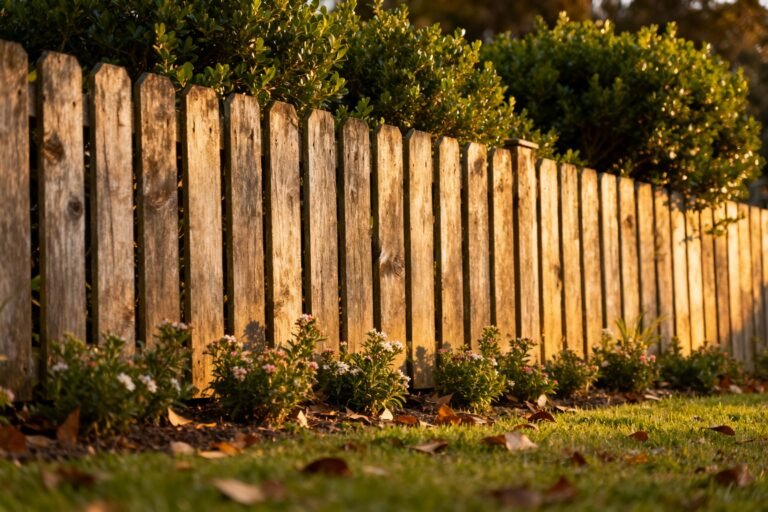
Wood fence: Warm and versatile
Go classic cottage or modern rustic. Try:
- Back row: Hydrangea paniculata, upright junipers, lilacs (if you have room).
- Middle: Spirea, ninebark dwarfs, roses (shrub or climbing).
- Front: Catmint, salvia, heuchera, creeping thyme.
Add a climbing rose or clematis on a trellis to break up the long line. Instant charm.
Vinyl fence: Clean and bright
Vinyl reflects light, so go for plants that won’t scorch.
Good combos:
- Back row: Boxwood or inkberry holly for evergreen structure.
- Middle: Daylilies, coreopsis, dwarf hydrangeas.
- Front: Lamb’s ear, low grasses, creeping phlox.
IMO, vinyl loves a simple palette—greens, whites, and one accent color.
Chain-link fence: Make it disappear
Clothe it with climbers. Think:
- Fast cover: Boston ivy (deciduous), hops, or annual sweet peas.
- Edibles: Grapes, blackberries (with caution—thorny but delicious).
- Evergreen screens: Star jasmine or English ivy in milder climates (manage ivy aggressively).
Add a narrow border of shrubs or grasses in front to soften the base.
Narrow Spaces: Small Footprint, Big Impact
Tight bed against the fence? No problem.
Use vertical space, slimmer plants, and repetition.
- Columnar shrubs: ‘Sky Pencil’ holly, ‘Dee Runk’ boxwood, columnar yews.
- Slender trees: ‘Slender Silhouette’ sweetgum, columnar hornbeam, fastigiate ginkgo (if height fits).
- Climbing solutions: Trellises with clematis, climbing roses, or evergreen jasmine.
- Grasses: Feather reed grass (Calamagrostis), blue fescue for front texture.
Go modular with planters
If roots or utilities sit along the fence, use tall trough planters. They give depth, protect the fence, and let you swap plants seasonally. Bonus: perfect for herbs and compact veggies.
Soil, Drainage, and Mulch (A.K.A.
The Boring Stuff That Matters)
You can’t fake healthy soil. Most fence lines collect construction debris and compacted subsoil. Fix it once; enjoy it for years.
- Loosen the soil: Dig 8–12 inches deep, break clumps, remove rocks.
- Add compost: Mix 2–3 inches into the top foot of soil for drainage and nutrients.
- Mind the grade: Slope beds slightly away from the fence to keep wood from rotting.
- Mulch smart: 2–3 inches of shredded bark or fine wood chips.
Keep mulch 3 inches off stems and fence posts.
Watering without a headache
Install a simple drip line or soaker hose along the bed. Add a battery timer and boom—set-and-forget hydration. Your plants stay happy, your fence stays dry.
Privacy and Screening Without Overwhelm
You want privacy, not a wall of green that eats your yard.
Choose plants that screen at eye level and stay in bounds.
- Evergreen hedges: Emerald Green arborvitae, Spartan juniper, or cherry laurel in warmer zones.
- Mixed screen: Alternate deciduous and evergreen for variety and fewer pests.
- Strategic clumps: Plant tall shrubs only where you need coverage—corners, windows, seating areas.
Height rules and neighbor peace
Check local codes and HOA rules before planting tall screens. Keep aggressive roots and thorny plants away from property lines. Being a good neighbor?
Highly recommended.
Color, Texture, and Seasonal Layers
Think like a stylist. You want spring flowers, summer color, fall fireworks, and winter structure.
- Spring: Forsythia, serviceberry, tulips, hellebores.
- Summer: Coneflower, catmint, hydrangeas, lavender.
- Fall: Switchgrass, asters, sedum, burning bush (or non-invasive alternatives like fothergilla).
- Winter: Redtwig dogwood, boxwood, hollies, ornamental grasses left standing.
Repeat 2–3 anchor plants—like boxwood or grasses—then weave seasonal color around them. FYI, fewer species often look more polished.
Hardscape Add-Ons That Elevate Everything
Plants do the heavy lifting, but hardscape adds the finesse.
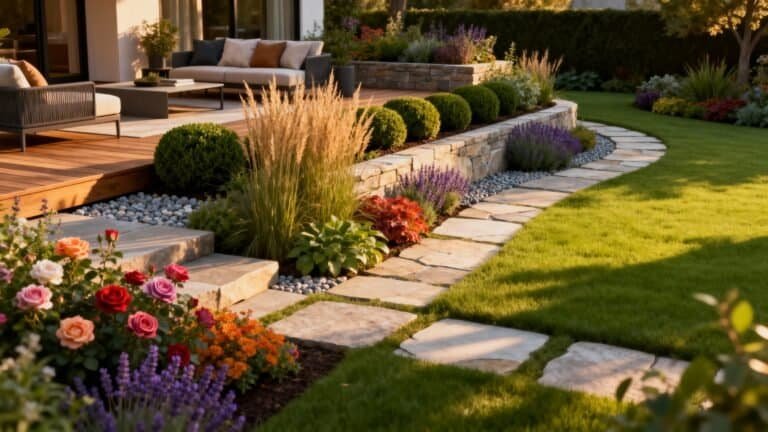
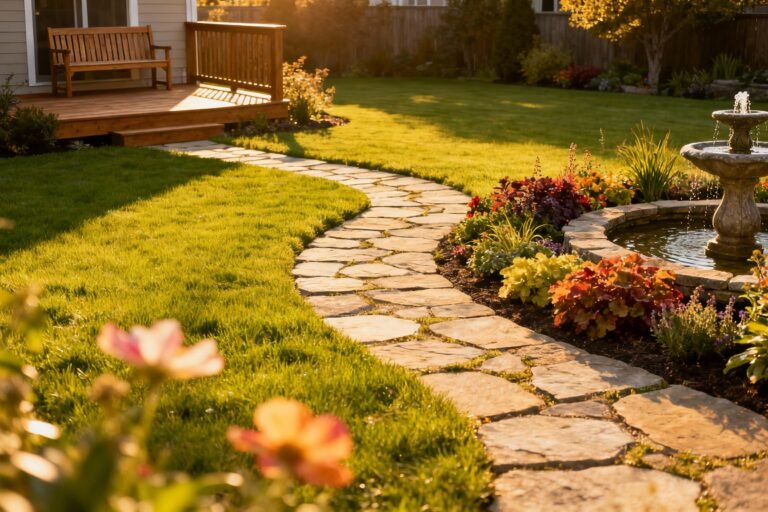
- Stepping path: A simple stone path along the fence helps with maintenance and looks tidy.
- Lighting: Low-voltage uplights on specimens or downlights on posts create magic at night.
- Trellises and art: Break long runs with metal trellises, hanging planters, or weather-safe art.
- Bench or niche: Carve a small seating nook against the fence—great for morning coffee and plant admiration.
Maintenance Made Manageable
Set yourself up for easy care, not weekend warfare.
- Choose the right mature size: Don’t plant a 10-foot shrub in a 3-foot bed.
Future you will thank you.
- Prune lightly, regularly: A quick trim in late winter and a summer tidy keeps shape without stress.
- Feed minimally: Good compost beats constant fertilizer. Mulch yearly to suppress weeds.
- Irrigation check: Inspect drip lines each spring. Leaks happen, plants tattle.
FAQs
How far from the fence should I plant?
Give shrubs at least half their mature width from the fence.
If a shrub grows 6 feet wide, plant it 3 feet out. For perennials, 12–18 inches usually works. Leave a small gap to walk behind if possible—future pruning becomes way easier.
Will plants damage my fence?
They can if you ignore airflow and moisture.
Keep plants a few inches off the fence, slope soil away from posts, and avoid heavy vines on wood. Use trellises spaced off the fence so climbers don’t trap moisture. Simple moves, big difference.
What plants are best for low-maintenance beds?
Go for tough, well-behaved players like boxwood or inkberry, daylilies, catmint, coneflower, ornamental grasses, and heuchera.
Mix in a couple of flowering shrubs like spirea or dwarf hydrangea. Stick with 5–7 species total to keep care simple, IMO.
Can I grow veggies along a fence?
Absolutely. Use the vertical space.
Trellis cucumbers, pole beans, peas, or espalier apples/pears. Keep taller crops north of shorter ones so you don’t shade your garden. Mulch well and run drip to keep leaves dry and diseases low.
How do I make a chain-link fence look better fast?
Add privacy fabric or wood slats for an instant glow-up, then plant climbers and a narrow row of shrubs or grasses.
Feather reed grass, dwarf hydrangea, and clematis work wonders. In one season, the fence shifts from eyesore to backdrop.
What if my bed stays shady most of the day?
Lean into it. Hostas, ferns, heuchera, astilbe, and hydrangea (smooth or oakleaf) thrive in shade.
Add texture with Japanese forest grass and brighten with white blooms or variegated leaves. Shade doesn’t mean boring—just calmer vibes.
Conclusion
Landscaping along a fence isn’t filler—it’s a feature. With smart layering, the right plants, and a clean edge, you’ll turn a hard boundary into a soft, beautiful frame for your yard.
Start small, repeat what works, and keep it fun. Your fence line can go from “meh” to “wow” faster than you think—no landscape degree required, just a little intention and a shovel.