Garden Aesthetic Ideas: Transform Your Outdoor Space Beautifully
You don’t need acres of land or a Versailles budget to craft a garden that makes you sigh happily every time you step outside. You just need a vibe, a plan, and a few plants that pull their weight. Garden aesthetic isn’t about perfection—it’s about personality.
Ready to build an outdoor space that feels like you? Let’s dig in (pun intended).
What “Garden Aesthetic” Actually Means
Garden aesthetic is simply the look and feel your garden gives off—cozy cottage, sleek modern, wild meadow, minimalist zen, or a mix you swear only you could pull off. It’s how plants, hardscaping, colors, textures, and decor all play together.
The best part? There’s no single “right” aesthetic. You can curate a look that matches your taste, budget, and the climate you live in.
Common Aesthetic Styles (and why they work)
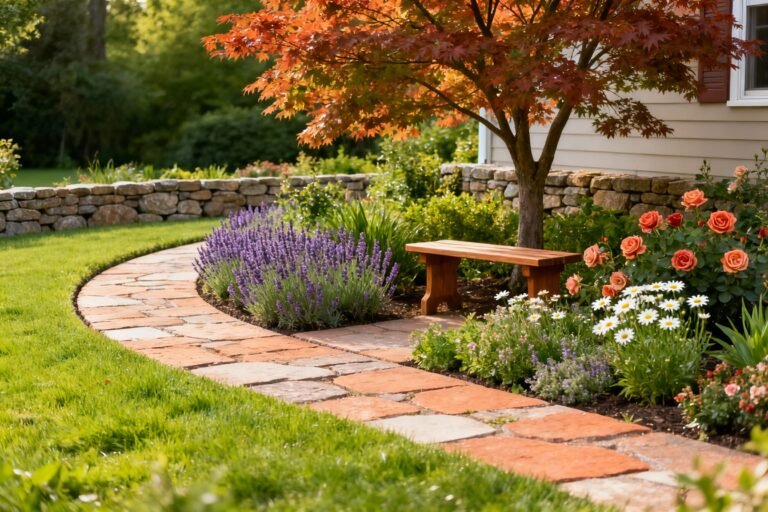
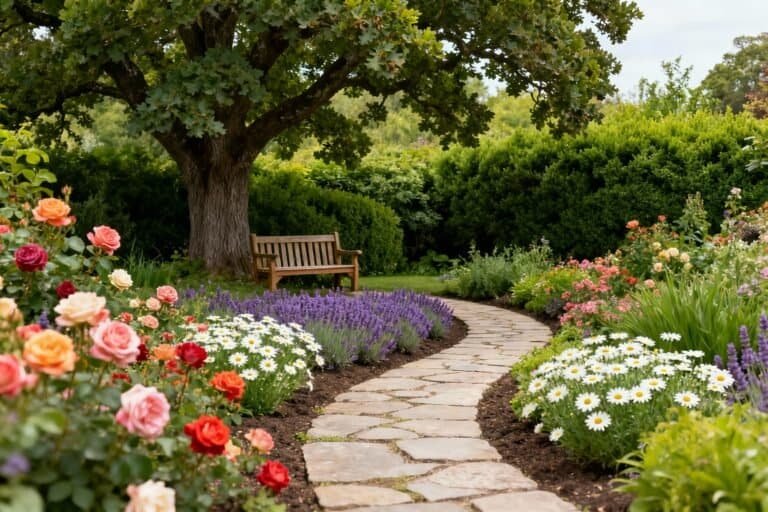
- Cottagecore: Soft, romantic, and a little chaotic—in a charming way. Think roses, foxgloves, lavender, and winding borders.
- Modern Minimal: Clean lines, ornamental grasses, monochrome planters, and a restrained palette.
Big on impact, low on clutter.
- Mediterranean: Terracotta, olive tones, herbs, and drought-tolerant plants. It smells like vacation and cooks like one too.
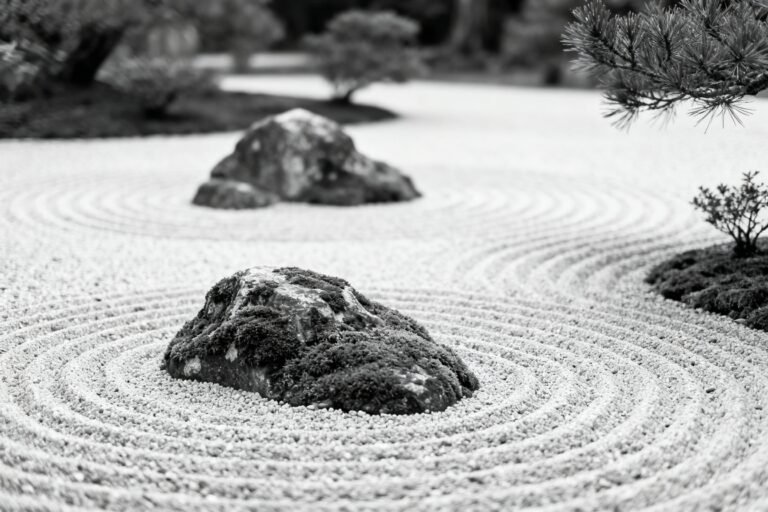
- Zen/Calm: Fewer plants, more space. Pebbles, moss, ferns, water features, and serenity now.
- Wild Meadow: Prairie grasses, native flowers, pollinator heaven.
Messy on purpose and easy on watering.
Start With a Vibe, Then Plan Backwards
Before you buy a single plant, choose the mood. Do you want your garden to energize you or quiet you? Do you want to sip coffee surrounded by blooms or host friends in a sleek outdoor room?
Build Your Mood Board
- Screenshot gardens you love.
Notice repeats: colors, shapes, and plant types.
- Pick a color palette: 2 main shades + 1 accent works wonders.
- Decide your texture balance: leafy vs. airy, glossy vs. matte, soft vs. spiky.
Match Aesthetic to Reality
- Sun and shade: Check your yard at morning, noon, and late afternoon. Sun exposure drives plant choice—non-negotiable.
- Climate: Choose plants that actually like your weather. FYI, forcing tropicals in a cold climate gets expensive fast.
- Maintenance: Be honest.
If you won’t prune or deadhead, choose plants that don’t need it.
Plants: Your Aesthetic’s Leading Actors
Plants deliver color, structure, and movement. Choose wisely, and they’ll make you look like a genius.
Structure First, Finesse Second
- Anchor plants: Small trees and shrubs create backbone—boxwood, hydrangea, Japanese maple, olive, or bay.
- Fillers: Perennials for rhythm—salvia, echinacea, hosta, heuchera, nepeta.
- Seasonal stars: Tulips in spring, dahlias in summer, asters in fall. Rotate in pots if your beds are packed.
- Texture mix: Pair a bold leaf (hosta) with something wispy (panicum grass).
Contrast is your friend.
Color Strategy That Doesn’t Scream “Random”
- Monochrome magic: Shades of green with white blooms look chic and timeless.
- Analogous calm: Blues, purples, and pinks blend beautifully without chaos.
- High-contrast pop: Hot oranges and deep purples look electric. Use sparingly for drama.
Low-Maintenance MVPs (IMO)
- Lavender: Smells divine, attracts bees, hates overwatering.
- Nepeta (catmint): Blooms forever, shrugs off neglect.
- Ornamental grasses: Year-round texture, minimal fuss.
- Heuchera: Gorgeous foliage in every shade, shade-tolerant.
- Roses (shrubs, not divas): Look for disease-resistant varieties.
Hardscape: The Stage That Makes Plants Shine
Plants get the attention, but hardscape sets the tone. It’s the pathways, patios, fences, and edging that make everything look intentional.
Pathways and Edges
- Gravel paths: Affordable, charming, and great for drainage.
- Pavers or concrete: Modern and clean.
Go large-format for a sleek look.
- Edging: Steel edging equals minimalist lines; brick edging equals classic warmth.
Containers and Furniture
- Containers: Match material to vibe—terracotta for Mediterranean, matte black for modern, glazed pots for color.
- Furniture: If you want a loungey feel, go soft cushions and low profiles. For dining, choose sturdy wood or metal you’ll actually maintain.
- Lighting: Solar path lights, string lights, or low-voltage uplights. Night gardens count too.
Layout Tricks That Make Any Garden Look Designed
You don’t need a landscape degree. You need a few visual rules that never fail.
- Rule of thirds: Aim for 1/3 hardscape, 2/3 planting.
It balances structure and softness.
- Repeat, repeat, repeat: Repetition creates flow. Repeat a plant, color, or pot style across the space.
- Layering: Tall in back, medium in middle, low in front—classic for a reason.
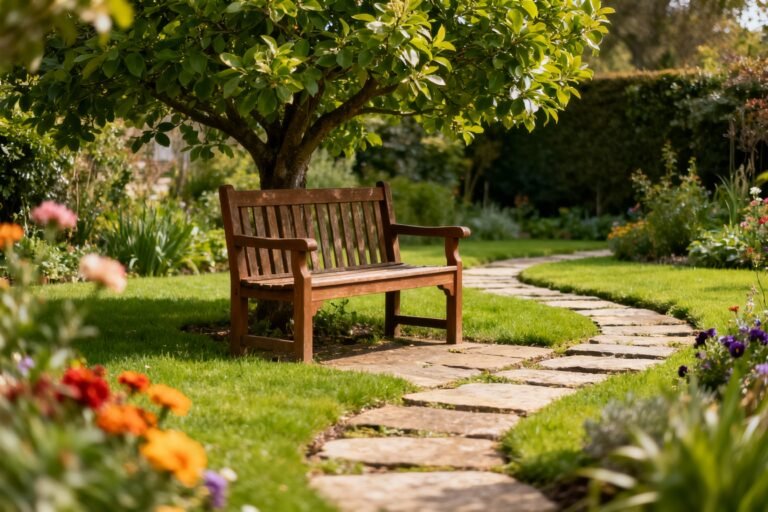
- Sightlines: Frame a focal point (bench, urn, small tree). Give the eye somewhere to land.
- Odd numbers: Plant in 3s or 5s.
It just looks more natural—don’t ask me why, it’s science-ish.
Small Space Magic
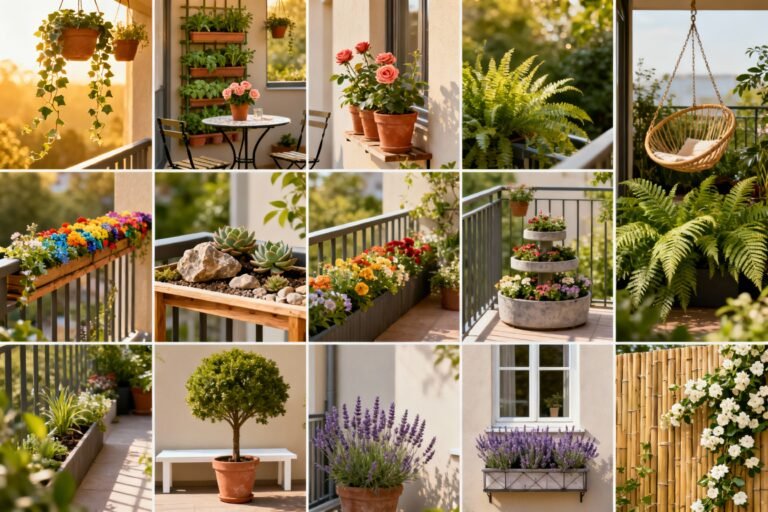
- Vertical gardening: Trellises, wall planters, and climbers like jasmine or clematis.
- Multi-use pieces: Storage benches, planters that double as privacy screens.
- Color blocking: Keep pots and cushions within one palette for cohesion.
Seasonal Interest: Keep the Party Going Year-Round
A great garden doesn’t vanish after spring. Plan for four seasons so you always have something to admire.
- Spring: Bulbs (tulips, daffodils), flowering shrubs (spirea, forsythia), fresh greens.
- Summer: Perennial color, annual pops, herbs in full swing.
- Autumn: Asters, sedum, echinacea seed heads, blazing foliage from maples and grasses.
- Winter: Evergreens, red twig dogwood, hellebores, interesting bark, and structural pots.
Eco-Friendly Choices That Still Look Gorgeous
Good news: being kind to your ecosystem often looks amazing.
- Native plants: They feed local pollinators and handle your climate better.
- Mulch: Conserves water, suppresses weeds, and finishes the look. Win-win-win.
- Drip irrigation: Delivers water where it counts.
Your water bill will chill out.
- Compost: Builds soil health and boosts bloom power. Nature’s slow-release fertilizer.
- No chemical drama: Try natural pest control first. Ladybugs > spray.
Budget-Friendly Ways to Nail the Look
You don’t need to blow your paycheck at the garden center.
Smart choices go a long way.
- Start with anchors: Invest in a few larger shrubs or a small tree. Fill around them over time.
- Divide and conquer: Many perennials split easily. Share with neighbors or join a plant swap.
- Seeds for annuals: Zinnias, cosmos, and sunflowers give big color for pennies.
- DIY planters: Paint old pots one cohesive color for instant unity.
- Buy in seasons: Off-season sales are your best friend, IMO.
FAQ
How do I choose an aesthetic if I like everything?
Pick two styles max and blend them with a simple rule: keep one dominant, one accent.
For example, go 80% modern (clean lines, muted palette) and 20% cottage (soft flowers, a few curves). Use a tight color palette so it looks intentional, not chaotic.
What if my garden gets mostly shade?
Shade doesn’t mean boring. Focus on foliage texture: ferns, hosta, heuchera, carex, and hydrangea for dappled light.
Add white blooms and glossy leaves to brighten things. A mirror or pale gravel path bounces light and makes it feel airy.
How do I make a rental balcony look cohesive?
Choose one pot color and repeat it. Add 3-5 sturdy plants that suit your light—lavender for sun, ferns for shade.
Layer a small outdoor rug, string lights, and one comfy chair. Suddenly, it’s a tiny sanctuary, not a storage zone.
How can I get a low-maintenance garden that still looks lush?
Use fewer plant varieties but more of each. Choose drought-tolerant perennials and ornamental grasses, install drip irrigation, and mulch thickly.
Let shrubs provide backbone, and use containers for seasonal flair without replanting whole beds.
Do I need a focal point?
Short answer: yes. Your eyes crave an anchor. It can be a bench, birdbath, fire pit, or even a sculptural plant like a Japanese maple.
Place it where you naturally look when you step outside.
What mistakes should I avoid?
Don’t cram too many species into a small space. Don’t ignore sun requirements. And don’t skip soil prep—healthy soil equals healthy plants.
Also, buy fewer, bigger plants instead of tons of tiny ones you’ll “figure out later.” You won’t.
Conclusion
Your garden aesthetic isn’t a rigid rulebook—it’s your personality in plant form. Choose a vibe, edit your palette, and let structure do the heavy lifting while seasonal stars keep things fresh. Keep it practical, keep it playful, and remember: a slightly imperfect garden still beats a perfectly empty one.
Now go make something beautiful—dirt under the nails is part of the charm, FYI.