How to Create a Flower Garden: Beginner-Friendly Step-by-Step Guide
You don’t need acres of land or a royal gardener to create a flower garden that makes your jaw drop a little every morning. You just need a plan, a few solid plant picks, and the willingness to get a little dirt under your nails. Imagine stepping outside to a mini color explosion that changes with the seasons.
Sounds dramatic? Good. Let’s make it happen.
Start With a Vision (and a Vibe)
Every great garden starts with a vibe.
Do you want a wild, meadow-y look that feels accidental but actually isn’t? Or a neat, structured border that says “I color-code my closet”? Pick a style, then stick close to it.
Think about your space and your lifestyle. If you travel a lot, choose tough plants that don’t sulk when you miss a watering. If you love cutting flowers for the house, plan a dedicated bed for them. Clarity now saves headaches later.
Choose a Color Palette
A garden full of every color can work, but a palette ties it together.
Try:
- Cool tones: blues, purples, whites for a calm, elegant look
- Warm tones: oranges, reds, yellows for bold, sunset vibes
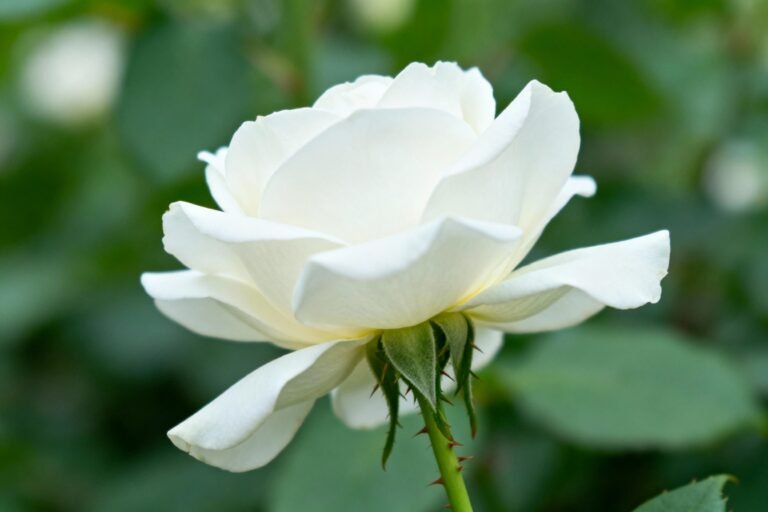
- Monochrome: all whites (stunning at dusk, btw)
FYI, repetition is your friend. Repeat colors and plants to avoid chaos.
Know Your Conditions (No Guessing!)
Plants don’t care about our dreams if the conditions don’t match. Check:
- Sunlight: Count hours of direct sun.
Full sun = 6+ hours. Part sun/shade = 3–5. Shade = under 3.
- Soil type: Sandy drains fast.
Clay holds water. Loam is the unicorn.
- Drainage: After rain, does water sit for hours? If yes, pick moisture lovers or improve drainage.
- Hardiness zone: Choose plants rated for your zone so winter doesn’t wipe you out.
IMO, a $20 soil test beats a $200 plant funeral.
Test pH and nutrients if you can.
Microclimates Matter
That sunny wall? It radiates heat and extends your growing season. The low spot?
It collects cold and water. Use these quirks. Place heat lovers against warm walls, and moisture fans in dips.
Layer Your Flower Beds Like a Pro
Great gardens have structure, not just random prettiness.
Think in layers:
- Back row: Tall plants (delphiniums, hollyhocks, ornamental grasses)
- Middle: Medium perennials (echinacea, daylilies, phlox)
- Front: Low growers and edging (allysum, lavender, catmint)
Repeat these groupings along the bed. Plant in odd numbers—3s and 5s look natural. Nature rarely does single-file lines, and neither should you.
Seasonal Continuity
You want blooms from spring to frost.
Mix:
- Spring bulbs: tulips, daffodils, alliums
- Early perennials: columbine, bleeding heart
- Summer stars: coneflower, black-eyed Susan, roses
- Late-season heroes: asters, sedum, Japanese anemones
- Annuals for gaps: zinnias, cosmos, marigolds
One bed can carry you through the year if you stagger bloom times. Never let a bed go boring in August.
Pick Plants That Actually Thrive
Don’t fight your site. Choose plants that like your conditions and your level of care. Here are rock-solid options that rarely complain:
- Sun + drought-tolerant: lavender, salvia, yarrow, gaillardia
- Part shade: astilbe, heuchera, foxglove, hellebore
- Pollinator magnets: bee balm, catmint, zinnias, milkweed
- Low-maintenance shrubs: hydrangea paniculata, spirea, ninebark, dwarf butterfly bush
Mix in foliage plants (hosta, ornamental grasses, dusty miller) to keep the show going even when something stops blooming.
Flowers come and go—foliage carries the backbone.
Native Plants: The MVPs
Native species feed your local bees, butterflies, and birds. They also handle local weather like champs. Try:
- Echinacea purpurea (purple coneflower)
- Asclepias tuberosa (butterfly weed)
- Rudbeckia hirta (black-eyed Susan)
- Solidago (goldenrod)
Bonus: natives often need less water and fewer fertilizers.
Your wallet will notice.
Soil, Water, and Mulch: The Boring Stuff That Makes It Beautiful
Yes, soil talk isn’t glamorous. But it’s the difference between “meh” and “wow.” Improve soil with compost—2 to 3 inches mixed into the top layer works wonders. Avoid over-tilling; you’ll wreck the structure.
Water deeply, not daily. Aim for about 1 inch per week, including rain. Use drip irrigation or soaker hoses so you hydrate roots directly, not your sidewalk. Morning watering beats evening because leaves dry faster and avoid disease.
Mulch 2–3 inches with shredded bark, leaf mold, or compost. Mulch keeps moisture in, weeds out, and temperatures steady. Just don’t pile it like a volcano around stems—plants can’t breathe like that.
Fertilizing Without the Drama
Go gentle.
Many perennials do great with spring compost and a slow-release organic fertilizer. Overfeeding makes plants floppy and invites pests. Think “steady nutrition,” not “all-you-can-eat buffet.”
Design Tricks That Look Expensive (But Aren’t)
You can add instant style with a few smart moves:
- Repeat shapes: Round flowers (echinacea, dahlias) or spiky blooms (veronica, salvia) create rhythm.
- Add verticals: Obelisks with sweet peas or clematis give height without crowding.
- Edge like you mean it: A clean edge makes any bed look intentional and tidy.
- Use containers: Pop pots into borders for quick color and flexibility.
- Pathways: Simple gravel paths invite you in and make maintenance easier.
IMO, a single statement shrub or small tree (Japanese maple, serviceberry) elevates everything around it.
The Cut-Flower Corner
Want bouquets on repeat?
Build a small cutting patch with:
- Workhorses: zinnias, cosmos, snapdragons, sunflowers
- Fillers: ammi, basil, dill, feverfew
- Foliage: eucalyptus (in pots), dusty miller, sage
Cut in the cool morning, strip lower leaves, and use clean water. Your kitchen will never look the same again.
Keep It Alive: Simple Maintenance That Works
No one wants a high-maintenance diva bed. Keep it simple:
- Deadhead: Snip spent blooms to extend flowering.
Some plants reseed if you skip—your call.
- Weed fast: Pull small weeds weekly so they don’t get brave.
- Divide perennials: Every 2–3 years to keep them vigorous (and to get freebies).
- Watch for pests: Aphids? Blast with water or use insecticidal soap. Invite ladybugs by planting dill and yarrow.
Set a 20-minute weekly garden date.
You’ll stay ahead, and your future self will high-five you.
Winter Prep Without Tears
After frost, cut back mushy annuals and diseased foliage. Leave seed heads on coneflowers and grasses for birds and winter interest. Mulch after the ground cools to protect roots.
Spring you will be grateful.
FAQs
How do I start a flower garden on a budget?
Focus on perennials and seeds. Buy a few solid perennials and divide them over time. Start easy annuals from seed—zinnias and cosmos practically beg to grow.
Swap with neighbors and check plant sales at local clubs. Compost feeds your soil for pennies.
What flowers are the easiest for beginners?
Try zinnias, marigolds, and cosmos for annuals; coneflower, black-eyed Susan, and catmint for perennials. They forgive inconsistent care and still look like you know what you’re doing.
Lavender and salvia also earn their keep with minimal fuss.
How much sun do most flowers need?
Many bloomers want full sun (6+ hours), but part-shade options exist. If you only get morning sun, look for plants labeled “part shade” or “woodland edge.” Read the tag, not your hopes. The tag always wins.
Can I grow flowers in containers instead of a garden bed?
Absolutely.
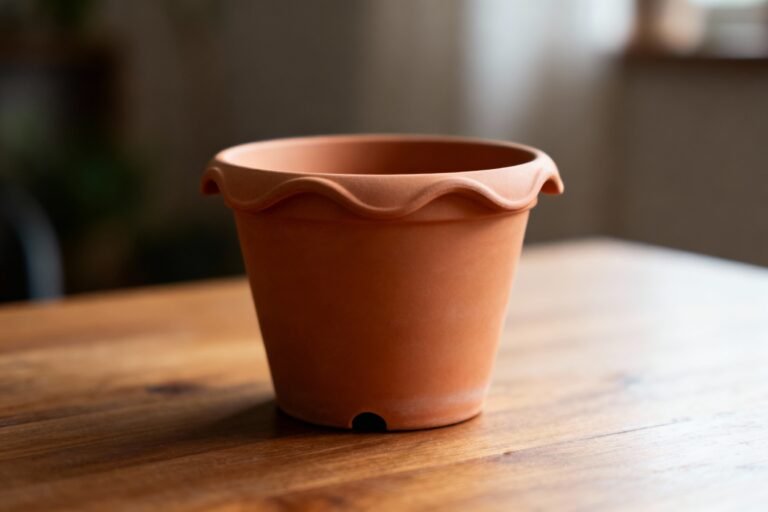
Use a quality potting mix, pick pots with drainage, and water more frequently since containers dry fast. Combine a thriller (tall plant), filler (medium spreader), and spiller (trailing plant) for instant patio drama. Feed lightly every few weeks.
How do I keep my flowers blooming all season?
Stagger bloom times, deadhead spent flowers, and keep plants evenly watered.
Add a slow-release fertilizer early, then top up with compost midseason. Tuck in a few annuals to cover gaps when perennials take a break. It’s like tag-teaming for color.
Do I need to worry about pollinators?
Short answer: yes, and it’s fun.
Plant a mix of nectar-rich flowers, avoid harsh pesticides, and bloom across seasons. Bees, butterflies, and even hummingbirds will show up like you texted them a party invite. You help them; they help your garden thrive.
Win-win.
Wrap-Up: Grow Your Own Happy
A flower garden doesn’t demand perfection. It asks for curiosity, a plan, and the willingness to try again when something flops. Start with your vibe, pick plants that fit your spot, and layer for long-lasting color.
Do that, and your garden will repay you every time you step outside—no royal gardener required.