Wild Flowers: Identification, Meaning, and Growing Guide
Wild flowers don’t ask for permission; they just show up and steal the spotlight. You spot them on a dusty trail or a cracked sidewalk and—bam—color, texture, attitude. They’re the rebels of the plant world, thriving where pampered garden divas would faint.
Ready to meet the wild crew and maybe invite a few into your life?
What Exactly Counts as a Wild Flower?
Wild flowers are simply flowering plants that grow without human coddling. No sprinklers, no fertilizer, no plant influencer Instagram—just grit and good timing. They’ve adapted to their local ecosystems over centuries and play nicely (usually) with the neighbors.
They’re not always native though. Some wild flowers are naturalized—introduced by humans long ago and now basically locals with a funny accent. And yes, some wild flowers you know and love might technically be “weeds.” Labels, right?
Why Wild Flowers Matter More Than You Think
We love them because they’re pretty, sure.
But wild flowers also keep ecosystems humming. They feed bees, butterflies, birds, and a bunch of unglamorous but essential insects. Without them, food webs collapse.
Not dramatic—just facts. Key reasons they matter:
- Pollinator fuel: Nectar and pollen keep bees, butterflies, and moths alive.
- Soil health: Roots stabilize soil, prevent erosion, and feed microbes.
- Biodiversity boost: More plant species = more wildlife = healthier ecosystems.
- Resilience: Native wild flowers handle droughts, floods, and poor soils like champs.
FYI: Wild Flowers and Climate Change
Many native species adapt to shifting seasons better than ornamentals. They bloom when pollinators need them most, and they recover fast after extreme weather. Planting them = a small climate win.
Not a silver bullet, but IMO it’s low effort, high payoff.
Know Your Local Legends
Wild flowers change from region to region like accents. You’ll see desert blooms that barely get a sip of water all year and meadow flowers that turn fields into pastel paintings. Common regional favorites:
- North America: Black-eyed Susan, Purple coneflower, California poppy, Lupine, Prairie smoke
- Europe: Cornflower, Oxeye daisy, Cowslip, Red campion, Foxglove
- Asia: Himalayan blue poppy, Cosmos (naturalized), Chrysanthemum species
- Africa: Namaqualand daisies, Gazanias, Pelargoniums
- Australia: Everlastings, Kangaroo paw, Sturt’s desert pea
How to Identify Without Losing Your Mind
Grab a field guide or a plant ID app to start, but don’t worship them. They guess.
You confirm. Look at flower shape, leaf arrangement, stem texture, and where it’s growing. Take a clear photo, note the location and date, and compare across sources.
Pattern-matching = your secret superpower.
So You Want to Grow Wild Flowers
Good news: you can, and you won’t need a PhD in soil science. Bad news: you’ll need patience. Wild flowers play the long game, and the payoff cracks open around year two or three. Basic starter kit:
- Choose native species: Start local.
Your region’s wild flowers thrive with less fuss.
- Prep the site: Remove weeds and turf. Expose soil. Don’t till deeply—just disturb the top few inches.
- Seed smart: Mix tiny seeds with sand for even distribution.
Sow in fall or early spring depending on your climate.
- Water lightly: Keep soil moist (not swampy) while seeds germinate. Then back off. Let them hustle.
- Cut back annually: In late winter, mow high or scythe to mimic grazing.
Leave some stalks for overwintering insects.
Common Mistakes to Dodge
- Buying “wildflower mixes” blindly: Many include invasive species. Read the fine print.
- Overwatering: You’re not growing rice. Most natives prefer normal rainfall once established.
- Impatience: Year one = sprouts.
Year two = flowers. Year three = chef’s kiss.
Wild Flowers vs. Weeds: The Drama
Hot take: “Weed” is a behavior, not a species.
If a plant spreads aggressively, displaces natives, or breaks your heart (and your soil), it’s a weed in that context. Some beloved “wildflowers” act like that outside their home turf. How to spot a problem plant:
- It pops up everywhere and crowds out diversity.
- It spreads via rhizomes or seeds like it’s running a pyramid scheme.
- Local conservation groups warn about it.
When to Intervene
If you see an invasive species, remove it early. Pull by hand after rain, or use a weeding knife for roots.
Bag seed heads before they drop. FYI, herbicides can harm nearby natives; try physical methods first.
Designing With Wild Flowers (Without the Chaos)
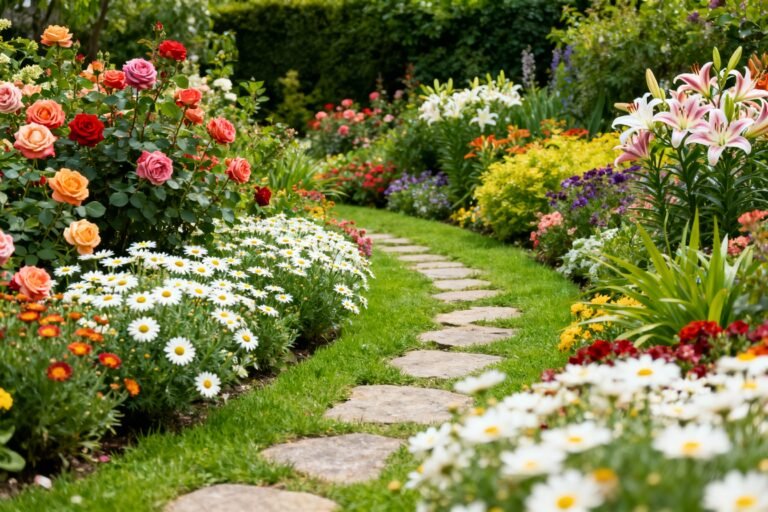
You can go full meadow or add soft wild accents to a tidy garden. Either way, aim for structure.
Think in layers and bloom times, not just “throw seeds and pray.” Simple design rules that work:
- Pick a palette: Choose 3-5 dominant colors plus one accent. Repetition looks intentional.
- Think tiers: Tall at the back (or center in an island bed), midsize in the middle, groundcovers upfront.
- Bloom succession: Mix spring, summer, and fall bloomers so something always shines.
- Anchor plants: Use grasses like little bluestem or fescue to tie it all together.
- Wild but tidy: Define edges with a clean border. Chaos inside, crisp outside—chef’s kiss.
Pollinator-Friendly Combos
- Sunny dry spot: California poppy + Blanket flower + Blue flax + Little bluestem
- Moist meadow: Joe-Pye weed + Bee balm + Goldenrod + Switchgrass
- Shade edge: Columbine + Woodland phlox + Foamflower + Ferns
Wild Flowers in Culture and Legends
These plants didn’t just feed bees; they fed stories.
Poppies symbolize remembrance, violets whisper loyalty, and foxgloves carry both fairy magic and warnings (do not snack on them, ever). People wove wild flowers into weddings, medicine, and lore long before garden catalogs existed. IMO, that’s why a field of wild blooms hits different.
You’re not just looking at color—you’re looking at history, survival, and a thousand quiet symbioses happening while you sip coffee.
FAQ
Are wild flowers always native?
No. Wild flowers include both native species and naturalized species that grow without help. For ecological benefits, prioritize natives in your region because they support local wildlife best.
Can I pick wild flowers on hikes?
Often no.
Many areas protect native plants, and picking removes food and habitat. Take photos, not souvenirs. If you want a bouquet, grow a small wild flower patch at home for guilt-free snipping.
Do wild flowers need fertilizer?
Usually not.
Fertilizer can actually favor aggressive weeds over natives. Improve soil structure with compost only if it’s severely degraded, and even then, go light.
How long do wild flower meadows take to establish?
Plan on three years. Year one builds roots and looks scruffy.
Year two brings decent blooms. Year three turns heads. Keep weeding and cutting back annually to speed the glow-up.
Are wild flowers safe for pets?
Some are, some aren’t.
Foxglove, larkspur, and buttercups can harm pets if eaten. Check plant lists from your local extension or veterinary sources and place risky plants out of snacking range.
What’s the best time to sow seeds?
For cool climates, fall seeding works great because winter cold stratifies seeds. In warmer zones, early spring can work.
Always match timing to your species and local rainfall patterns.
Conclusion
Wild flowers don’t beg for attention—they earn it. Plant a few, or plant a meadow, and you’ll feed pollinators, boost biodiversity, and get color without constant fuss. Keep it local, keep it simple, and give it time.
Nature already wrote the playbook; we just need to follow along.