Flowers Aesthetic: Stunning Ideas for Home, Garden, and Decor
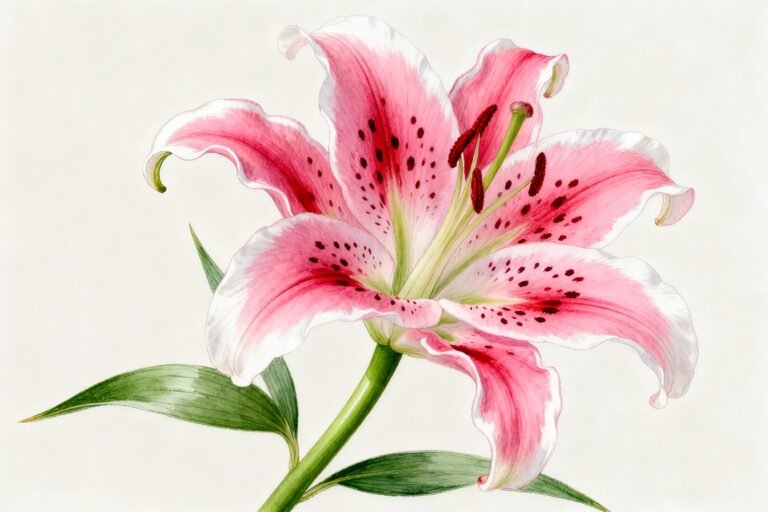
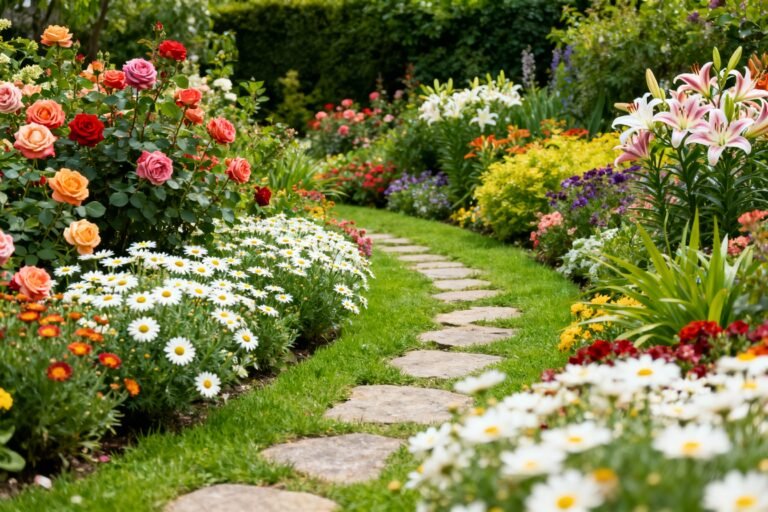
Flowers don’t whisper; they shout. Color, pattern, scent—flowers deliver a full sensory symphony that makes everything feel a bit brighter and more human. If you’re drawn to soft petals and wild bouquets, you’re not just into “pretty.” You’re into an entire aesthetic that blends mood, memory, and meaning.
Let’s unpack how to build a flowers aesthetic that feels personal, modern, and not like your grandma’s wallpaper (unless you’re into that—no shade).
What “Flowers Aesthetic” Actually Means
When people say “flowers aesthetic,” they usually mean more than florals slapped on everything. It’s about atmosphere. Think color palettes inspired by petals, organic shapes, vintage botanical prints, and textures that feel alive.
You can go romantic with roses and lace, or go bold with poppies and punchy color blocks. Both count. The aesthetic thrives on contrast: delicate and wild, curated and a little messy.
Flowers give you permission to be both. Core idea: Use flowers as your guide—not your rulebook. You’re building a vibe, not a museum exhibit.
Color Palettes That Actually Work
Color sets the mood faster than any single bloom. Want cozy?
Use warm neutrals and muted blush. Want drama? Try saturated jewel tones.
- Soft & airy: Blush, cream, dusty lavender, sage.
Works for minimalists who still want magic.
- Modern romantic: Burgundy, rose, mauve, gold. Moody, chic, and very “candlelit dinner.”
- Bold & happy: Fuchsia, marigold, cobalt, lime. Party-on-a-table energy.
- Earthy & grounded: Terracotta, olive, burnt umber, clay pink.
Cozy and cool.
How to Pick Your Palette
Start with one flower you love—like peonies or anemones—and pull 3-4 colors straight from it. Keep one neutral anchor, two supporting tones, and one accent pop. FYI, too many brights can make a space feel noisy, so let one color lead.
Styling Your Space Without Going Full Cottagecore
You don’t need floral everything.
Sprinkle with intention and avoid the “gift-shop” look.
- Textiles: One floral print per room, max. Pair it with solids or stripes for balance.
- Wall art: Botanical prints or macro flower photography. Use simple frames—let the petals star.
- Vases: Mixed materials (ceramic, glass, stoneware).
Keep shapes organic, not fussy.
- Books & objects: Vintage flower guides, herbariums, pressed-flower frames.
Live Flowers vs. Faux vs. Dried
- Live: Best for movement and scent.
Rotate weekly or biweekly for freshness.
- Faux: Look for silk or latex varieties with realistic stems. Use sparingly, like accents.
- Dried: Pampas, lunaria, strawflower, lavender. Long-lasting and low maintenance.
Arranging Bouquets Like You Kind of Know What You’re Doing
You don’t need a florist’s toolkit.
You need a vibe, decent scissors, and a few simple rules.
- Pick a color story. Keep it cohesive with 2-3 tones and one contrasting pop.
- Choose structure. One star flower (peony, dahlia), one filler (aster, waxflower), one greenery (eucalyptus, ruscus).
- Vary heights. Stagger stems to mimic how plants grow—nothing stiff or uniform.
- Use odd numbers. Odd groupings just look better. Don’t ask, they just do.
- Give it air. Negative space makes your bouquet look expensive. IMO, crowded = chaotic.
Quick Vase Math
Cut stems so the arrangement sits 1.5 times the vase height.
Remove leaves below the waterline. Change water every two days. Add a tiny pinch of sugar and a drop of bleach to fight bacteria.
Yes, it works.
Flower Aesthetic in Fashion and Beauty
Florals in fashion got a bad rep for being “groundbreaking” (thanks, Miranda Priestly). But done smart, they feel fresh.
- Clothing: Pair a floral skirt with a crisp tee or structured blazer. Balance soft prints with clean lines.
- Accessories: Silk scarves, enamel flower earrings, or embroidered bags.
Small hits, big effect.
- Makeup: Petal pink cheeks, berry lip, soft green liner for a playful nod.
- Hair: Tiny floral clips or a single bloom behind the ear—cheeky, not bridal.
Print Scale 101
– Small prints = more delicate and versatile – Medium prints = everyday friendly – Large prints = statement pieces—use one at a time, hero-style
Seasonal Blooms and When to Use Them
Timing your flowers with the seasons keeps the aesthetic grounded and more affordable. Plus, seasonal blooms just look happier.
- Spring: Tulips, ranunculus, hyacinth, lilac. Light, lush, and very “first iced latte of the year.”
- Summer: Peonies, roses, delphinium, sunflowers.
Big drama, long days.
- Autumn: Dahlias, chrysanthemums, amaranthus, asters. Saturated tones and texture for days.
- Winter: Hellebores, paperwhites, anemones, evergreens. Quiet and sculptural.
Budget-Friendly Choices
Carnations (yes, really), alstroemeria, mums, and greenery bundles give you volume without pain.
Mix one “fancy” flower into a humble lineup and watch the whole arrangement glow.
Photography and Content Ideas for the Flower-Obsessed
If you’re building a flower-forward feed or blog, keep it authentic. You don’t need a full studio—just good light and a bit of styling.
- Lighting: Window light, backlighting for translucency, and a reflector or white poster board.
- Angles: Flat lays for patterns, macro shots for textures, side shots for silhouette.
- Props: Shears, ribbon, open books, fabric scraps. Keep props neutral so the petals pop.
- Editing: Slight warmth, soft contrast, save the saturation for those poppies.
FYI, heavy filters can flatten detail.
Storytelling Prompts
– “From market to mantel” reel showing the arrangement process – Color-study carousel: one hue, four blooms – Before/after of a room with and without flowers (the difference? huge)
Sustainability Without Killing the Vibe
Flowers can be eco-friendly if you shop smart and care a little.
- Buy local and seasonal. Lower footprint, fresher blooms, better scent.
- Skip floral foam. It’s microplastic. Use chicken wire, tape grids, or pin frogs instead.
- Compost trimmings. Your future houseplants say thanks.
- Dry or press leftovers. Turn spent bouquets into art or keep petals for sachets.
Grow-Your-Own Starter List
Zinnias, cosmos, sweet peas, calendula, and dahlias. They’re generous bloomers, beginner-friendly, and photogenic.
IMO, one raised bed can fuel your aesthetic all summer.
FAQ
How do I make florals feel modern, not fussy?
Use clean lines and negative space. Pair one romantic element (like a ruffled peony) with structured greenery and a simple vase. Keep the color palette intentional—two tones plus a neutral beats rainbow chaos every time.
What if I have allergies?
Go for low-pollen or hypoallergenic blooms like orchids, roses, and tulips.
Skip lilies and heavy-scented varieties. Dried arrangements or high-quality faux stems also deliver the look without the sneezes.
How do I keep cut flowers alive longer?
Trim stems at an angle, remove submerged leaves, and change water every two days. Keep arrangements away from direct sun, drafts, and fruit bowls (ethylene gas = faster wilt).
Use the packet, or make your own: a little sugar, a tiny drop of bleach, and a squeeze of lemon.
Do prints and real flowers clash?
They can, but they don’t have to. If your textiles show bold florals, style your bouquet in a simpler palette. If your room runs minimal, your arrangement can go wild.
Think contrast, not copy-paste.
What’s the easiest way to start?
Pick a color palette, buy one bunch of greenery and one hero flower, and grab a neutral vase. Place it somewhere you’ll see often—kitchen counter, desk, or bedside. Build from there with art, textiles, and small accessories.
Are dried flowers still a thing?
Yes, but choose wisely.
Mix dried stems with fresh greenery for texture and movement, or cluster dried blooms in smaller vases to avoid a dusty look. Lunaria and strawflower always photograph beautifully.
Conclusion
The flowers aesthetic isn’t about memorizing plant names or owning 27 vases. It’s about color, texture, and a little everyday romance.
Start small, pay attention to what makes you smile, and let your petals set the tone. Honestly? A single perfect stem on a clean table can shift your whole mood—and that’s the magic.