Flowers Bouquet Ideas: Stunning Arrangements for Every Occasion
Flowers do something to a room—and to people—that candles, playlists, and fancy lighting can’t. You drop a bouquet on a table and suddenly the space feels alive, like it remembered how to smile. You don’t need a reason to buy flowers, but if you do, I’ll give you ten.
Let’s dive into the art (and fun) of building a bouquet that actually says something.
Why Bouquets Matter (More Than You Think)
Flowers speak a language of their own. A bouquet can say “I love you,” “I’m sorry,” “You’re ridiculous but I adore you,” or “Congrats, you legendary human.” That’s power. Plus, flowers bring texture and movement.
They soften edges, add color, and create a vibe—romantic, wild, modern, or earthy. And honestly? They’re affordable joy.
A small bunch can transform your mood faster than espresso. FYI: both are allowed.
The Anatomy of a Great Bouquet
Think of bouquets like a playlist: you need a few hits, some supporting tracks, and a vibe you stick to. Use these building blocks:
- Focal flowers: The showstoppers (roses, peonies, sunflowers, dahlias).
They grab attention.
- Secondary blooms: Slightly smaller, add depth (ranunculus, tulips, lisianthus).
- Fillers: Texture and lightness (waxflower, limonium, baby’s breath—yes, it’s back).
- Greenery: The frame and contrast (eucalyptus, ruscus, ferns, salal).
- Shape: Round, cascade, or asymmetric. Pick one and commit.
Pro Tip: Rule of Odds
Group stems in odd numbers: 3, 5, 7. Your eyes read it as more natural and balanced.
Weird, but true.
Color Palettes That Never Fail
Color makes or breaks the bouquet. If you don’t want it to look like a craft store exploded, try a palette. Some foolproof combos:
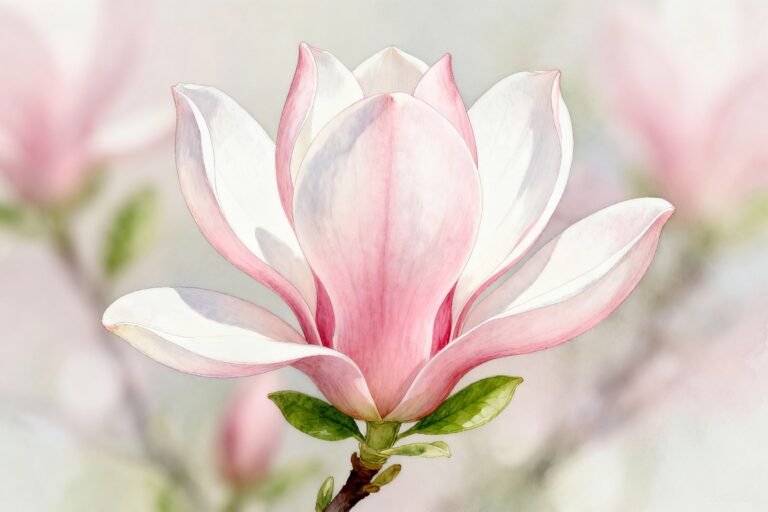
- Soft & dreamy: Blush, cream, dusty lavender, sage green.
- Bold & modern: Hot pink, coral, tangerine, lime foliage.
- Classic & chic: White, ivory, soft green, with dark centers.
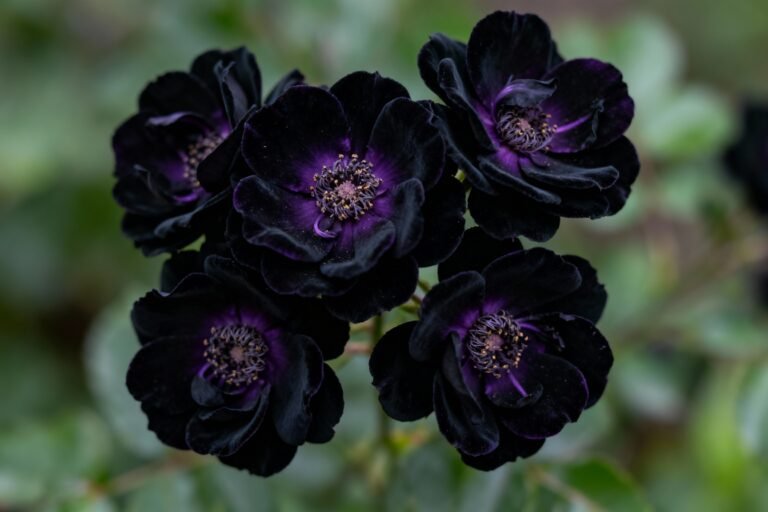
- Moody & dramatic: Burgundy, plum, deep greens, a pop of ivory.
IMO, pick a dominant color, a supporting shade, and one accent.
That’s it. No rainbow unless chaos is your brand.
Seasonal Swaps
You can build the same palette year-round with seasonal stars:
- Spring: Peonies, tulips, anemones, lilac
- Summer: Garden roses, snapdragons, dahlias, zinnias
- Fall: Chrysanthemums, marigolds, asters, amaranthus
- Winter: Hellebores, ranunculus, paperwhites, evergreens
Seasonal flowers last longer and cost less. Your wallet will thank you.
How to Build a Bouquet (Without Losing Your Mind)
You don’t need florist-level skills, just a system.
Here’s the quick build:
- Prep your stems: Strip leaves below the waterline. Cut stems at an angle. Hydrate for an hour.
- Start with greenery: Create a loose base in your hand.
Think nest, not broom.
- Add focal flowers: Place three focal blooms at different heights. Turn the bouquet as you go.
- Layer secondary blooms: Tuck them between focal flowers to fill gaps and add dimension.
- Sprinkle fillers: Add light, airy bits for movement. Don’t clump them—disperse.
- Shape check: Step back.
Adjust height and width. Aim for a gentle dome or loose oval.
- Tie and trim: Wrap with floral tape or twine. Trim stems evenly so they sit well in a vase.
Hand-Tied vs.
Vase-Ready
– Hand-tied: Tighter spiral stem technique, good for gifting. – Vase-ready: Looser, more natural spacing designed for a specific vessel.
Vase Matchmaking: Because Size Matters
The wrong vase can sabotage your masterpiece. Choose wisely:
- Cylinder: Modern and clean. Works with tulips, roses, sunflowers.
- Bud vases: Perfect for single stems or tiny clusters on a tablescape.
- Compote bowl: Low and romantic—great for dinner tables and centerpieces.
- Pitchers/jugs: Rustic, charming, very “I have a cottage” energy.
Quick ratio rule: bouquet height should be about 1.5 times the vase height.
If it’s top-heavy, trim or add foliage for support.
Water, Food, and Flower TLC
– Change water every 2 days. Flowers hate funky water. Same, honestly. – Re-cut stems frequently. A fresh angle keeps them drinking. – Use flower food. It’s not a scam—it feeds and fights bacteria. – Keep away from heat and fruit. Ethylene gas = premature wilting. Nobody wants that.
Bouquet Styles You’ll Actually Use
Pick a vibe, not a rulebook.
Some ideas:
- The Minimalist: One flower type, one color. Think all-white tulips in a clear vase.
- The Garden Mix: Soft, airy, lots of greens. Feels like a morning walk.
- The Color Pop: Neutral greens plus one bold hue.
Very apartment-friendly.
- The Wild One: Asymmetric, drapey, with vines or trailing amaranthus. Drama without yelling.
- The Monochrome: Different flowers, same color family. Luxe with zero chaos.
Budget-Friendly Hacks
– Buy a few premium focal stems and pad the rest with greenery. – Mix grocery store bunches with one florist-grade stunner. – Dry what you can (eucalyptus, statice) for reuse. – Rework fading bouquets into bud vases—salvage the survivors and they’ll last longer.
Gifting Etiquette (Without the Awkward)
Flowers make fantastic gifts, but think ahead:
- Send in a vase if the recipient won’t have time to arrange.
Huge kindness.
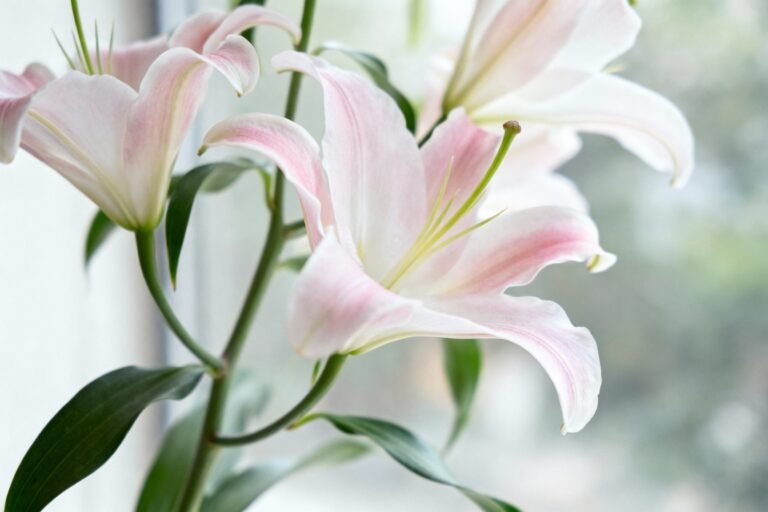
- Check allergies or sensitivities. Lilies can overwhelm; some people can’t handle strong scents.
- Include a short note. Be specific: “Congrats on the new job!” beats “Best wishes.”
- Match the mood: Bright and cheerful for celebrations; soft tones for sympathy.
Occasion Cheat Sheet
– Romance: Garden roses, ranunculus, peonies. Soft tones or classic reds. – Celebration: Gerbera daisies, tulips, sunflowers.
Bright and happy. – Sympathy: Whites and greens, calm textures. Keep it gentle. – Thank You: Seasonal mix with a handwritten note. Always a win.
Common Mistakes (And Easy Fixes)
We’ve all been there.
Here’s what to avoid:
- Too many focal flowers: Your bouquet looks crowded. Fix: remove one or two and add greenery.
- Same stem length: It reads flat. Fix: stagger heights for depth.
- Ignoring water line leaves: Cloudy vase, sad flowers.
Fix: strip those leaves.
- Overmixing colors: Visual chaos. Fix: stick to 2–3 hues with one accent.
- Huge vase, tiny bouquet: Awkward. Fix: tuck a grid of clear tape across the mouth or add more greens.
IMO, the best arrangements feel loose and intentional—not stiff, not messy.
Aim for “I tried, but I’m chill about it.”
FAQ
How long should a bouquet last?
With decent care, most bouquets last 5–7 days. Hardy blooms like chrysanthemums and alstroemeria can go 10+ days. Change the water, trim stems, and keep them cool to squeeze every day of joy out of them.
Do I need floral foam?
Short answer: no.
Floral foam makes arranging easier, but it’s messy and not great for the environment. Use a flower frog, chicken wire, or a simple tape grid over your vase instead.
What flowers are the most low-maintenance?
Go for chrysanthemums, alstroemeria, carnations (don’t roll your eyes—they’re great now), statice, and eucalyptus. These last, handle travel well, and forgive your lazy days.
How do I stop roses from drooping?
Re-cut stems at an angle, remove any leaves in water, and hydrate them in deep, cool water for a few hours.
If heads droop, wrap the blooms in paper to support them while they drink. They bounce back like champs.
Which flowers smell the best without overwhelming a room?
Try sweet peas, stock, garden roses (lightly scented varieties), freesia, or lilac. Skip super-strong lilies if your space is small—they can take over fast.
Can I mix store-bought and garden flowers?
Absolutely.
Just condition garden stems well: shake off bugs, rinse gently, and let them hydrate before arranging. The mix looks personal and elevated without costing a fortune.
Conclusion
A great bouquet doesn’t need a florist’s toolbox—just a few smart choices and a vibe you love. Pick a palette, choose a couple of star blooms, pad with greenery, and keep the water fresh.
Whether you’re gifting, celebrating, or just making your Tuesday less boring, flowers do the trick. Go play with petals—you’ve got this.