Balcony Garden Ideas to Transform Your Outdoor Space
Your balcony could be the most underrated square footage you own. Sunlight, fresh air, and a tiny slice of the outdoors? That’s prime real estate for plants.
With a little planning, you can turn that overlooked ledge into a mini jungle, a salad bar, or a stress-free sanctuary. Ready to make your neighbors a little jealous?
First Things First: Know Your Balcony
Before you buy a single pot, figure out what your balcony offers. Light, wind, and space matter more than your enthusiasm (sorry, but true).
You can grow a ton with just a few containers, but you need a plan. Check these basics:
- Sunlight: How many hours of direct sun do you get? 6+ hours = full sun. 3–5 = partial. Less than 3 = shade city.
- Wind: Higher floors get gusts. Wind scorches leaves and dries soil fast.
- Weight: Containers, wet soil, and water get heavy.
Don’t overload the balcony. FYI, lightweight containers help.
- Access: How easily can you water, prune, and harvest without crawling like a gecko?
Match Plants to Light
- Full sun: Tomatoes, peppers, basil, rosemary, strawberries, succulents.
- Partial sun: Lettuce, spinach, parsley, mint, chives, dwarf blueberries.
- Shade-tolerant: Ferns, pothos, philodendron, snake plants, moss (if you’re extra).
Containers That Actually Work
You don’t need fancy planters. You need containers that drain well and fit your space.
Plastic holds moisture, terracotta breathes (and dries faster), fabric pots keep roots happy. Smart container picks:
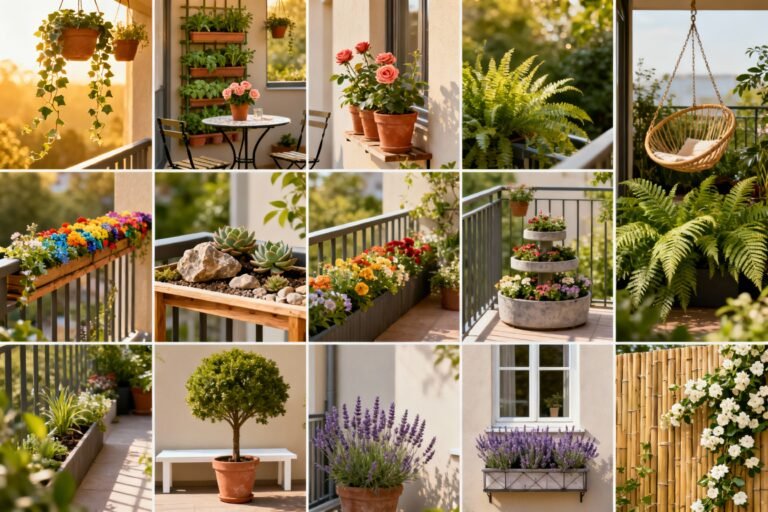
- Rail planters: Great for herbs and flowers. Secure them tightly. Gravity is not your friend.
- Vertical planters: Wall-mounted pockets or tiered shelves maximize tiny spaces.
- Grow bags: Lightweight, cheap, perfect for tomatoes, potatoes, and peppers.
- Self-watering pots: Lifesavers if you forget to water or travel often.
Drainage, or Your Plants’ Worst Enemy
Make sure every pot has holes.
Add a saucer to catch drips, but don’t let plants sit in water. Use a high-quality potting mix (not garden soil—it compacts and suffocates roots). IMO, adding perlite or coconut coir helps keep things airy.
Design a Layout That Looks Good and Functions Better
Treat your balcony like a tiny studio apartment.
Vertical space matters. Pathways matter. Your ability to open the door without knocking down basil?
Also matters. Try this simple layout formula:
- Tall in the back: Tomatoes on stakes, trellised cucumbers, sunflowers.
- Medium in the middle: Peppers, bush beans, dwarf citrus.
- Low in front: Herbs, lettuces, strawberries.
Go Vertical Without Engineering a Skyscraper
- Lean a trellis against the wall for peas, beans, and cucumbers.
- Use stackable planters for strawberries and herbs.
- Hang planters (securely!) for trailing plants like nasturtiums or ivy.
What to Grow (That Won’t Break Your Heart)
You want wins. Start with easy plants. You’ll build confidence, then you can grow the finicky stuff that makes you swear at aphids. Beginner all-stars:
- Herbs: Basil, mint, parsley, thyme, chives.
They forgive you for forgetting a watering… once.
- Salad greens: Lettuce, arugula, spinach. Fast-growing, cut-and-come-again magic.
- Compact fruit/veg: Cherry tomatoes, peppers, strawberries, bush beans, radishes.
- Flowers for pollinators: Marigolds, nasturtiums, calendula. Pretty and useful.
Plant Pairings That Make Sense
- Tomatoes + basil + marigolds: Classic trio.
Flavor, pest help, and color.
- Salad box: Lettuce + chives + parsley in a wide shallow container.
- Tea pot: Mint + lemon balm (in separate containers unless you enjoy chaos).
Watering, Feeding, and Not Killing Things
Container plants rely on you for everything. Overwatering and underwatering look similar—droopy leaves—but feel the soil. Dry?
Water. Wet? Stop. Easy care routine:
- Water deeply: Until it drains from the bottom, then wait until the top inch dries.
- Morning is best: Leaves dry faster, less disease, less evaporation.
- Fertilize lightly: Use a balanced liquid feed every 2–3 weeks in growing season.
Half-strength is safe.
- Mulch: A thin layer of bark, straw, or coconut chips keeps moisture in and roots cooler.
Wind and Sun Protection
If your balcony blasts with sun, give plants afternoon shade with a light cloth or moveable screen. Windy? Use heavier containers or group pots to shelter each other.
Stake taller plants so they don’t snap mid-storm. FYI, consistent microclimates make happier plants.
Pests, Problems, and Chill Solutions
You will meet pests. It’s a rite of passage.
Don’t panic, don’t nuke your garden. Common issues and fixes:
- Aphids: Spray with water, then use insecticidal soap or neem oil weekly.
- Fungus gnats: Let soil dry more, add a layer of sand, use yellow sticky traps.
- Powdery mildew: Improve airflow, water soil not leaves, remove affected parts.
- Yellow leaves: Overwatering or nutrient deficiency. Check roots and feeding schedule.
Signs Your Plant Wants Attention
- Wilting midday but perky at night: heat stress.
- Constant droop and soggy soil: you’re overwatering.
- Spindly growth: not enough light—move it or switch plants.
Make It a Place You Actually Use
This isn’t just a plant zone—it’s your chill zone. Add a chair, a small table, maybe string lights.
Sit with coffee and harvest basil like you’re living your best cottagecore life. Small touches with big payoff:
- Scented plants near the door: lavender, jasmine, mint.
- A tiny water feature for sound (or a wind chime if you like a vibe).
- A rollout mat so you can kneel without sacrificing your knees.
Seasonal Switch-Ups
- Spring: Start greens, peas, herbs. Pot up tomatoes as temps warm.
- Summer: Tomatoes, peppers, flowers in full swing. Fertilize and prune.
- Fall: Plant kale, spinach, radishes.
Shift to cool-season herbs like cilantro.
- Winter: Evergreens, heathers, or an indoor rotation by the window. Protect perennials.
FAQ
How do I start if I only have a tiny balcony?
Pick three: one vertical planter for herbs, one medium pot for a “feature” plant (tomato or pepper), and one shallow box for salad greens. That combo gives you height, variety, and quick wins.
Keep it near the railing or wall to save floor space and leave room to move.
Do I need special soil for containers?
Yes. Use a high-quality potting mix with perlite or coco coir for drainage and airflow. Garden soil compacts and suffocates roots in pots.
If you want to DIY, blend 2 parts potting mix, 1 part compost, 1 part perlite. Simple and effective.
What if my balcony gets almost no sun?
Grow shade-tolerant plants: ferns, snake plants, pothos, mint, and some lettuces. Aim for reflective surfaces to bounce light, and rotate plants weekly.
If you want edibles and can’t get 3+ hours of light, consider a small indoor grow light near your balcony door.
How often should I water?
Check daily with your finger. Water when the top inch feels dry. In summer heat, you may water every day; in cooler months, every 2–3 days.
Self-watering containers and mulch help stabilize moisture so you don’t play the guess-and-hope game.
Can I compost on a balcony without making it weird?
Absolutely. Use a sealed bokashi bin or a small worm bin (vermicompost). They’re compact, low-odor when managed right, and they turn kitchen scraps into gold for your plants.
Just don’t overfeed the worms, and keep things balanced.
What about neighbors and building rules?
Check HOA or building policies. Secure planters so nothing falls. Use saucers to prevent drips on balconies below.
Choose low-fragrance plants if neighbors complain (boo), and keep pathways clear for safety. Be a good plant neighbor.
Conclusion
A balcony garden doesn’t need acres, just intention. Start with your light, pick the right containers, and choose plants that match your conditions.
Keep it simple, keep it fun, and tweak as you learn. Before long, you’ll step outside, snip some basil, and think, IMO this tiny garden slaps.