Small Courtyard Gardens: Design Tips for Compact Spaces
Small courtyard gardens don’t ask for much space, just a little creativity and a willingness to get your hands dirty. Think of them as pocket-sized sanctuaries where coffee tastes better and the air feels calmer. If you’ve ever sighed at a bare patio and thought, “Well, this is depressing,” good news: you can turn it into something lush, practical, and surprisingly chic.
Ready to make that tiny square of concrete the best room in your home?
Start With the Feeling, Not the Plants
Before you buy a single pot, decide how you want this space to feel. Cozy reading nook? Cocktail patio?
Mini jungle? You don’t need a grand design plan, but you do need a vibe. Ask yourself:
- Do you want shade or sun? (Your plants care. A lot.)
- Do you like structured and tidy, or wild and overflowing?
- Do you need room for dining, yoga, or a cat who judges you from the bushes?
Once you pick the mood, your choices get easier.
You’ll know whether to prioritize seating, canopy, or planters. IMO, clarity at the start saves money and drama later.
Use Height Like a Pro
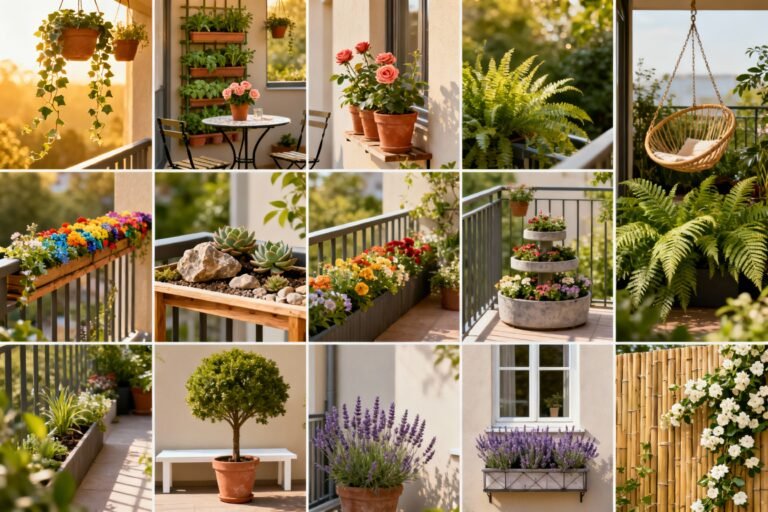
Small gardens thrive when you build up, not out. Vertical elements pull the eye upward and make everything feel larger.
Bonus: they create privacy without turning your courtyard into a cave. Try these vertical moves:
- Trellises and climbers: Star jasmine, clematis, and ivy add softness and scent. They love fences and wire grids.
- Tiered shelving: Stagger pots on open shelves or ladders to layer texture without losing floor space.
- Wall planters: Modular systems = instant green wall. Just don’t overwater and create a sad waterfall for your neighbor.
- Small trees in pots: Olive, bay, or dwarf citrus bring structure and drama without hogging space.
Choosing the Right Containers
Go for lightweight pots you can move.
Fiberglass and resin look fancy without requiring a forklift. Keep colors cohesive—three finishes max—so your tiny space doesn’t look like a garage sale.
Plan Paths and Zones (Yes, Even in 100 Square Feet)
Zoning sounds extra, but it makes a small courtyard feel intentional. Create a clear route from the door to your seat, then frame that path with planters or groundcover. Three easy zones:
- Entry zone: Something fragrant by the door—like lavender or mint—greets you every time.
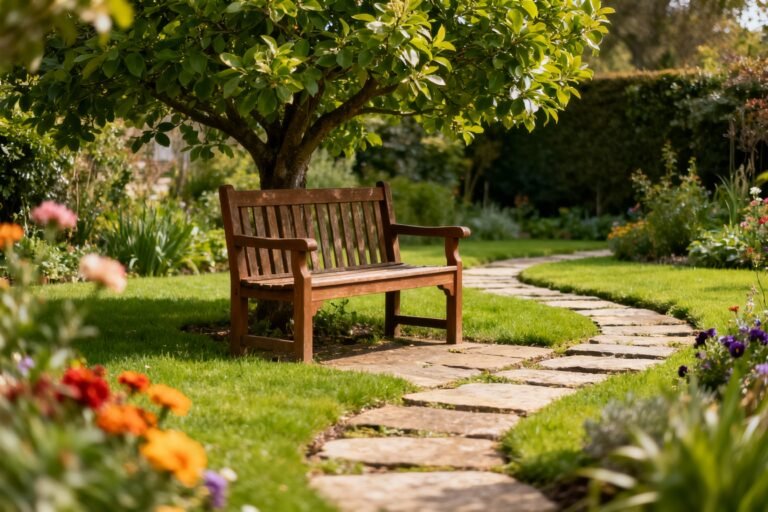
- Seating zone: A bistro set or bench that actually fits.
Test it. Knees need room too.
- Green zone: A dedicated planter cluster or vertical garden for your leafy stars.
Flooring That Changes Everything
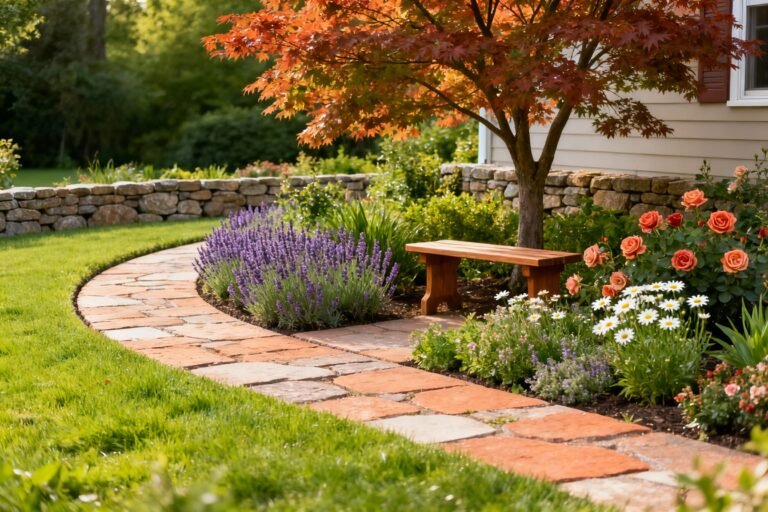
Swap cracked concrete for outdoor tiles, composite decking tiles, or gravel with stepping stones. Even a simple outdoor rug warms things up fast.
FYI: rugs also hide sins and keep the vibe cozy without a full reno.
Plant Smarter, Not More
You don’t need a jungle. You need layers and contrast. Think thriller, filler, spiller—the classic container combo that never fails. Build plant layers like this:
- Thrillers (height): Dwarf conifers, grasses like miscanthus, or a potted Japanese maple.
- Fillers (body): Hydrangea, heuchera, herbs like rosemary and sage.
- Spillers (edges): Creeping jenny, bacopa, trailing rosemary, sweet potato vine.
Group plants by water and light needs so you don’t drown the cactus while saving the fern.
Trust me, mixed-care pots become plant soap operas. Keep drama for the flowers, not your watering schedule.
Shade vs. Sun Stars
- Shade lovers: Ferns, hostas, astilbe, begonias, maidenhair vine.
Lush and forgiving.
- Sun lovers: Lavender, salvia, thyme, sedum, gaura, dwarf buddleia. Color + pollinators.
Make It Low-Maintenance (Your Future Self Says Thanks)
You want to sit out there, not babysit. Design with upkeep in mind so your courtyard keeps looking good without a full-time gardener. Low-maintenance hacks:
- Drip irrigation: A $40 kit saves plants and weekends.
Connect to a timer and you’re done.
- Self-watering containers: Great for herbs and thirsty annuals; they buffer against heatwaves.
- Mulch: Top pots with bark, gravel, or cocoa husks to retain moisture and look tidy.
- Evergreens: Mix in a few for year-round structure so winter doesn’t look bleak.
Soil and Drainage (Not Boring, Actually Crucial)
Use high-quality potting mix, not garden soil. Add perlite for drainage. Elevate pots on feet so water escapes and your patio doesn’t get those lovely moss circles.
Your plants’ roots need air almost as much as water.
Style Moves That Stretch Space
Design illusions work wonders in tight spots. You’re basically doing magic with mirrors and lines—without the rabbit. Visual tricks to try:
- Mirrors: Bounce light and fake depth. Place them opposite greenery, not your neighbor’s laundry.
- Color palette: Keep containers and furniture in 2–3 tones.
Cohesion = calm and “bigger.”
- Repetition: Repeat plant varieties or shapes to create rhythm and avoid chaos.
- Lighting: Fairy lights, lanterns, or solar spots layer glow and make evenings magical.
Furniture That Fits (and Folds)
Choose slim-profile pieces: a narrow bench against the wall or folding bistro chairs. Add cushions in outdoor fabric and a throw if nights run cool. If storage is tight, pick a bench with hidden space for tools and soil bags.
Multitaskers win.
Grow Things You Can Eat (Because Why Not?)
Edibles thrive in containers and bring instant gratification. You don’t need a vegetable patch to get real flavor. Simple edible combos:
- Herb trough: Thyme, chives, parsley, basil. Keep basil in its own pot if you overwater—basil is dramatic.
- Tomatoes + basil: Classic.
Choose dwarf or patio varieties and a tomato cage that doesn’t topple.
- Citrus corner: Dwarf lemon or calamondin in a big pot; bring indoors if winters bite.
- Cut-and-come-again salad: Mix baby lettuces in a shallow planter and harvest weekly.
Pollinator-Friendly, Even Small-Scale
Add nectar-rich flowers like salvia, verbena, marigolds, and calendula. Bees and butterflies will visit, and your courtyard will feel alive. Win-win.
Personal Touches That Make It Yours
Plants set the stage, but your stuff tells the story.
Layer in art and accents that make you smile. Easy wins:
- Outdoor art or a weatherproof print: Color without the commitment of more plants.
- Water feature: A small fountain masks city noise and says “I have my life together.”
- Scent: Night-scented stock, jasmine, or nicotiana for evenings that feel special.
- Textiles: Rug + cushions + throw. Instant lounge vibes.
FAQs
How do I make a tiny courtyard feel private without blocking light?
Use layered verticals. Combine open trellises with climbers, tall grasses in planters, and a lightweight screen near seating.
You’ll filter views while still letting light pass through. Mirrors placed thoughtfully can bounce extra brightness back in.
What plants survive in containers with minimal fuss?
Go for toughies like rosemary, thyme, sedum, heuchera, dwarf conifers, and ornamental grasses. They handle heat and occasional neglect like champs.
Add seasonal color with pansies in cool months and pelargoniums or calibrachoa in warm months—low drama, high payoff.
How do I stop my pots from drying out constantly?
Pick bigger containers—they hold moisture better. Mix in water-retentive materials like coco coir, and top with mulch. Install a simple drip line on a timer, and group pots so they create a microclimate.
Your watering can can finally chill.
Can I grow a small tree in a courtyard?
Absolutely. Choose dwarf or slow-growing varieties and a container at least 18–24 inches wide. Olive, bay laurel, dwarf citrus, or Japanese maple work great.
Refresh the top few inches of soil yearly and up-pot when roots circle tightly.
What’s the easiest layout for a rental courtyard?
Go 100% modular. Deck tiles over existing concrete, freestanding trellises, and lightweight pots you can move. Stick to a tight palette so it looks curated, not temporary.
And keep a plan for disassembly so moving day doesn’t turn into a sitcom.
Do I need special soil for planters?
Yes—use a high-quality potting mix, not garden soil. Potting mix stays airy and drains well, which keeps roots healthy. Add perlite for extra drainage and a slow-release fertilizer for steady growth.
Conclusion
Small courtyard gardens punch way above their weight when you design with intention.
Build up, keep the palette tight, and choose plants that suit your light and lifestyle. Add a couple of smart comforts—lighting, a compact seat, maybe a little fountain—and you’ve got a space that feels like a mini retreat. IMO, the best garden is the one you actually use, so brew a coffee, step outside, and start plotting your pocket paradise.