Tulip Flowers Guide: Planting, Care, and Design Ideas
Tulips don’t whisper; they shout. One day you’ve got bare soil, the next you’ve got a parade of color like a confetti cannon went off. They’re simple, dramatic, and yes, totally photogenic.
If you’ve ever wanted a flower that looks fancy but doesn’t make you jump through flaming hoops, tulips are your new besties.
Why Tulips Steal the Show
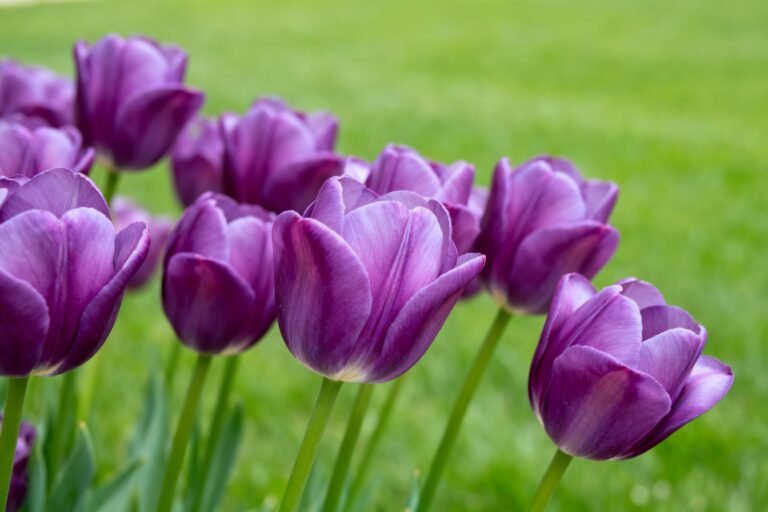
Tulips deliver instant gratification. Plant bulbs in fall, forget about them for a bit, then boom—spring color like a staged reveal on a home makeover show. They come in almost every color, from classic red to moody purples and even parrot-like frilled ones that look like they belong on a runway.
You can tuck them into garden beds, line a walkway, or cram them in a pot on the balcony. They don’t demand much space or effort. They bring drama without the diva behavior. IMO, that’s rare.
Meet the Tulip Types (So You Actually Know What You’re Buying)
Not all tulips act the same.
Some bloom early, some late, some tower, some stay neat and compact. Here’s the quick-and-dirty tour:
- Single Early: Short, sturdy, and first to bloom. Great for windy spots and containers.
- Triumph: The classic mid-season tulip.
Clean shapes, tons of colors, excellent for cutting.
- Darwin Hybrid: Big blooms, tall stems, late-mid season. These scream “tulip” in the most iconic way.
- Parrot: Ruffled, flamboyant, and a little extra. If tulips were people, these would wear sequins to brunch.
- Double Late (Peony-flowering): Layered petals, lush like peonies, bloom late.
Great in bouquets.
- Species (Botanical): Small, natural-looking, and more perennial than most. Perfect for rock gardens.
- Viridiflora: Streaks of green on the petals. Subtle but very chic—like the minimalist of tulip land.
When Do They Bloom?
Tulips bloom in waves across spring:
- Early: Late March–April (depending on your climate)
- Mid: April
- Late: Late April–May
Want a longer show? Mix early, mid, and late varieties so your display rolls for weeks.
How to Plant Tulip Bulbs Without Overthinking It
Bulbs look like onions and behave like tiny time capsules.
Plant once, get spring fireworks. FYI: timing matters.
- Plant in fall: Aim for when soil cools to about 50°F/10°C. Usually late September–November.
- Pick a sunny spot: At least 6 hours of direct sun for best blooms.
- Drainage matters: Tulips hate wet feet.
Use raised beds or add grit if your soil holds water.
- Depth: Plant 3x the bulb’s height deep (usually 6–8 inches). Pointy end up. Yes, that matters.
- Spacing: 4–6 inches apart.
Or pack them tighter for a dense, bouquet look.
- Water once: After planting, give a thorough drink. Then let winter do its thing.
Container Tulips That Don’t Flop
No garden? No problem.
Use a deep pot (12 inches+) with drainage holes:
- Layer bulbs like eggs in a carton—just don’t let them touch.
- Use high-quality potting mix with added grit or perlite.
- Keep the pot cold (but not frozen solid) through winter. A garage or sheltered porch works.
Tulip Care: Minimal Drama, Maximum Reward
Tulips don’t need babying, but a few tips help:
- Fertilizer: Mix a slow-release bulb fertilizer in fall. Top-dress with compost in early spring.
- Water: Regular moisture after planting and during spring growth.
Otherwise, don’t hover.
- Deadhead: Snip spent flowers so the plant doesn’t waste energy on seed pods.
- Leave the leaves: Let foliage yellow completely before removing. That’s how bulbs recharge.
Will They Come Back Next Year?
Short answer: Sometimes. Many hybrid tulips behave like one-hit wonders, especially in warmer climates.
If you want reliable repeats, choose:
- Darwin Hybrids (decent repeaters in cooler zones)
- Species tulips (the best perennial behavior)
- Plant bulbs deeper (8 inches) and in well-drained soil
Otherwise, treat them like annuals and replant each fall. Not ideal for the wallet, but unbeatable for looks.
Design Ideas That Don’t Feel Basic
Want that “wow” garden moment? Layer color and timing like a pro.
Color Combos That Pop
- Monochrome: All white or all purple looks modern and calm.
- High contrast: Red + white, purple + yellow—loud and proud.
- Pastel drift: Soft pink, peach, cream—romantic and super photogenic.
- Moody mix: Black tulips (well, deep maroon) with plum and silver foliage.
Drama achieved.
Planting Schemes That Work
- Drifts: Plant in curved swaths, not straight lines. Nature doesn’t do grids.
- Clumps: Groups of 7–12 bulbs give a strong visual impact.
- Succession: Layer early, mid, and late tulips in the same bed for continuous color.
- Companions: Pair with forget-me-nots, pansies, wallflowers, grape hyacinths, or ornamental alliums.
Cut Flowers: From Garden to Vase Like a Pro
Tulips continue to grow in the vase (sneaky!). They’ll stretch and bend toward light, which actually looks artsy if you let them.
Harvest and Vase Tips
- Cut at bud stage: When petals show color but aren’t fully open.
- Long stems: Cut low, but leave enough greenery for the bulb to recharge if you want it back.
- Cool water: Fill a clean vase halfway.
Change water every 1–2 days.
- Keep cool: Display away from heat and fruit (ethylene gas = sad tulips).
- Support act: Wrap stems in paper for an hour after cutting to help them stand tall.
Pests, Problems, and Other Party Crashers
Even low-maintenance divas have enemies. Here’s how to keep your tulips smiling.
Critters That Snack
- Squirrels: They dig up bulbs like treasure. Use wire mesh over beds, or plant with sharp grit.
- Deer: Tulip buffet.
Swap for daffodils where deer roam, or use repellents religiously.
Diseases to Watch
- Botrytis (tulip fire): Spots on leaves, distorted blooms. Remove affected plants and don’t compost them.
- Bulb rot: From soggy soil. Fix drainage and don’t overwater.
Weird Growth Quirks
Tulips lean and twist toward light.
Rotate your vase or flowerpot to balance things out. Or embrace the bend—it’s very “effortless chic,” IMO.
FAQs
Can I plant tulips in spring?
You can, but the results won’t wow you. Tulips need a cold period to trigger blooming.
If you missed fall, buy pre-chilled bulbs and plant in early spring, or just plan ahead for next fall and thank yourself later.
How many bulbs should I plant for a full look?
More than you think. For a lush display, plant 10–15 bulbs per square foot if you like a dense carpet of color. For natural clumps, groups of 7–12 bulbs per spot look great.
Do tulips grow in warm climates?
They can, but you’ll need to cheat the chill.
Store bulbs in a fridge (away from fruit) for 10–12 weeks before planting. Choose early-blooming or species types for better success.
Why do my tulips flop over?
Likely heat, weak stems, or they’ve stretched for light. Plant deeper, choose sturdy varieties (Triumph, Darwin hybrids), and keep them cool in the vase.
Cutting at bud stage also helps.
Are black tulips actually black?
Close, but not true black. They’re a deep maroon-purple that looks black in certain light. Varieties like ‘Queen of Night’ or ‘Black Hero’ bring maximum mood.
Can I leave tulip bulbs in the ground year-round?
In climates with cold winters and good drainage, yes.
Cut back dead foliage and leave the bulbs. In wet or warm areas, lift and store them after the leaves die back, or treat them as annuals and replant each fall.
Conclusion
Tulips deliver color, shape, and a little swagger without asking for your entire weekend. Plant them deep in fall, give them sun and drainage, and they’ll repay you with a spring show that feels borderline magical.
Mix types for a longer season, cut a bunch for the house, and don’t stress the rest. Tulips keep things simple—and that’s exactly why they’re irresistible.