Creative Planter Ideas to Beautify Your Home and Garden
You’ve got plants. You’ve got vibes. But your pots?
Snoozefest. Let’s fix that. Whether you’ve got a tiny windowsill or a wild backyard, the right planter ideas can make your space feel intentional, creative, and yeah—kind of fancy.
We’ll talk materials, styles, hacks, and how to keep your plants alive while making them look amazing.
Think Beyond the Basic Pot
Want a quick upgrade? Swap out boring terracotta for pieces with personality. You don’t need designer planters to be stylish—just a little creativity.
- Basket planters: Drop your plastic nursery pot into a woven basket.
It looks warm and natural, and you can hide a saucer inside.
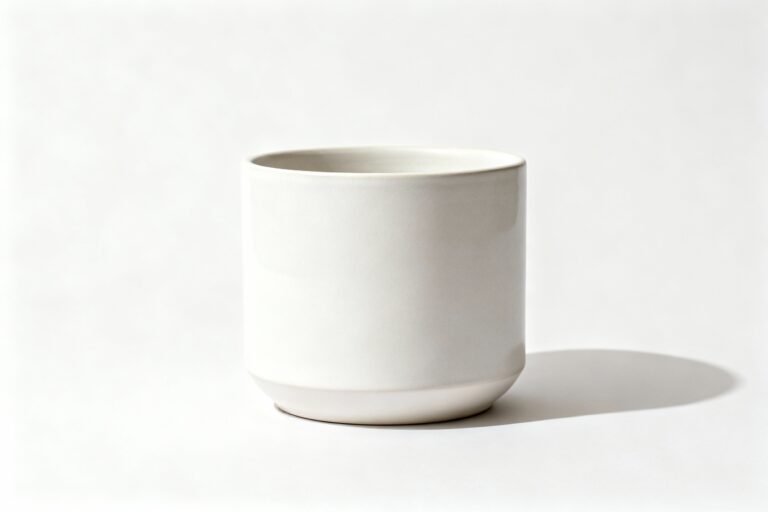
- Textured ceramic: Go for ribbed, matte, or speckled finishes. They add depth without screaming for attention.
- Metal moments: Brass or brushed steel pots feel modern, but line them or use cachepots to avoid rust and root heat issues.
- Concrete chic: Concrete planters bring that minimalist, gallery vibe. They’re heavy, though—so maybe not for hanging shelves.
Pro tip: Cachepots are your best friend
Keep your plant in a plastic nursery pot (with drainage), and slip it into a prettier container (without drainage).
You can water, lift it out, drain, and avoid swampy roots. Zero mess, maximum style. FYI, this also lets you swap looks seasonally without repotting.
Small Space, Big Energy
Short on square footage? No problem.
You don’t need floor space to go big on green.
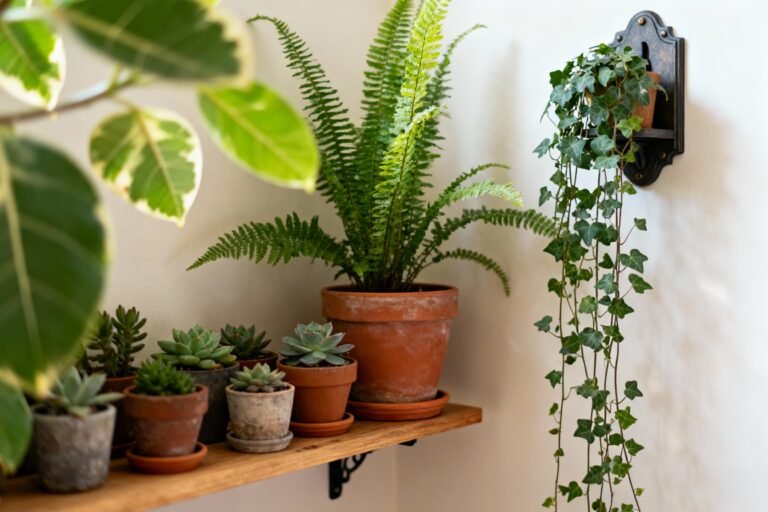
- Wall-mounted planters: Use ceramic wall pockets or modular systems for herbs, succulents, or trailing pothos. Make a living grid instead of hanging another picture.
- Rail planters: Balcony rail planters = instant outdoor room. Pick ones with secure brackets, because you like your neighbors.
- Stackable tiers: Vertical, tiered planters let you grow a ton of herbs in one footprint.
Great for sunny kitchens.
- Magnetic planters: Tiny magnetic pots on your fridge? Cute, practical, and noncommittal. Just don’t overload them.
What to plant where
- Bright light: Rosemary, thyme, jade, string of pearls.
- Lower light: Snake plant, ZZ, pothos, philodendron.
- High traffic/breezy spots: Toughies like peperomia and hoya.
DIY Planters That Don’t Look DIY
You want homemade, not “homework.” These look legit and won’t eat your weekend.
- Limewash terracotta – Brush on a mix of paint, water, and a pinch of baking soda.
You get a textured, aged look that feels boutique.
- Plaster wrap upgrade – Wrap a simple cylindrical pot with plaster cloth. Sand lightly. Paint.
Boom: sculptural vibes.
- Rope-wrapped baskets – Hot glue natural rope around a cheap plastic pot. Instant coastal aesthetic.
- Painted ombré – Start dark at the bottom, blend to light at the lip. Use a dry brush for a subtle fade.
- Tile a planter – Stick peel-and-stick tiles around a square container.
Grout if you’re extra. Looks high-end, IMO.
Seal the deal
If you paint terracotta or concrete, seal the inside to reduce moisture wicking and salt stains. Use a non-toxic, water-based sealer.
Your paint job will last, and your floors will thank you.
Planters With a Purpose
Let’s design for plant health first, then style. Healthy plants = prettier planters, period.
- Right size matters: Size up just 1–2 inches from the current root ball. Oversized pots hold too much moisture and suffocate roots.
- Drainage is non-negotiable: If your pot doesn’t have a hole, treat it as a cachepot or drill one (use a masonry bit; go slow).
- Material makes a difference:
- Terracotta: Breathable, dries fast—great for succulents and cacti.
- Ceramic (glazed): Holds moisture—good for tropicals that like even hydration.
- Plastic: Lightweight, budget-friendly, easy to move.
Just use a nice outer pot.
- Concrete: Stable, modern, slightly alkaline—fine for most, but avoid with acid-loving plants outdoors.
Soil and saucer sanity
Use plant-specific mixes: cactus mix for succulents, chunky aroid mix for monstera, light potting mix for herbs. And always use a saucer or cork pad to protect surfaces. Water disasters kill more décor than bad taste ever could.
Statement Pieces That Steal the Show
One dramatic planter can transform a room.
You don’t need a jungle—just a star.
- Oversized floor pots: Pair with fiddle leaf figs, olive trees, or rubber plants. Choose tall, tapered shapes to elongate the silhouette.
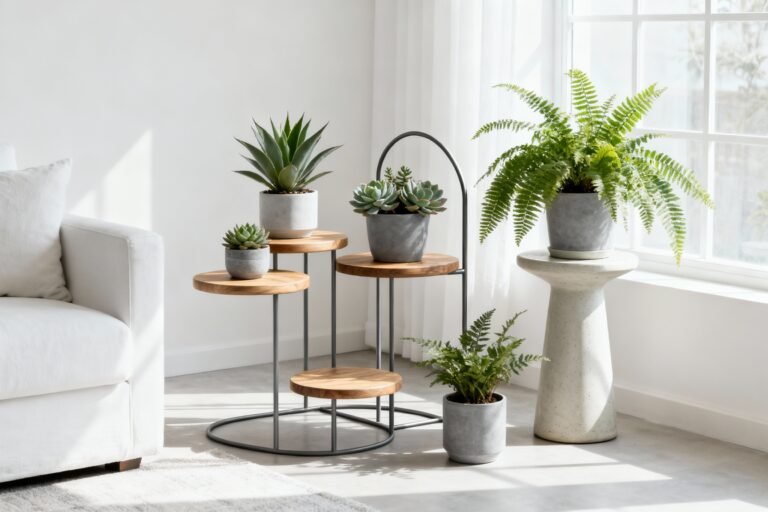
- Pedestal planters: Elevate medium plants to art status. Great for empty corners and flanking entryways.
- Hanging planters: Macramé, ceramic, or metal rings.
Hang at staggered heights for a layered look.
- Window boxes indoors: Set an indoor box on a sunny sill for herbs or flowering annuals. It reads “cottage” without the maintenance.
Color and contrast
Want instant designer energy? Contrast leaves with planter color. Dark green foliage pops in white or pale ceramic.
Variegated plants shine in matte black. Blue-gray concrete flatters warm-toned leaves.
Outdoor Planter Playbook
Outside, planters need durability and drainage. But you still get to have fun.
- Fiberglass and fiberclay: Lightweight but sturdy.
Perfect for large planters you actually need to move sometimes.
- Self-watering boxes: Great for patios and balconies. They reduce watering guesswork and keep roots happier.
- Mix heights and shapes: Use a tall cylinder, a squat bowl, and a medium cube together for a curated cluster.
- Seasonal swaps: Evergreens + pansies in winter, herbs + geraniums in summer. Rotate, refresh, repeat.
The thriller-filler-spiller formula
Classic for a reason:
- Thriller: Tall centerpiece (cordyline, dwarf grass, or a mini conifer).
- Filler: Medium plants (calibrachoa, coleus, basil if you like edible vibes).
- Spiller: Trailing plants (sweet potato vine, ivy, creeping jenny).
Upcycled and Unexpected
You can turn almost anything into a planter—responsibly.
Don’t sacrifice functionality for quirk.
- Teacups and mugs: Drill a tiny hole or use as cachepots for mini succulents. Adorable, not childish.
- Colanders: Already perforated! Line with coco fiber, add soil, plant trailing flowers.
- Toolbox or crate: Line with plastic, add drainage holes, and you’ve got rustic charm without splinters (hopefully).
- Old boots: Fun on a porch.
Add gravel at the toe for drainage, because soggy boot plants? Not cute.
Safety check
Avoid containers that might leach toxins (old painted cans with unknown paint, treated wood). If you’re not sure, use a liner and keep edibles elsewhere.
Better safe than sad salad, IMO.
FAQ
Do I really need drainage holes?
Yes. Plant roots need air. Without drainage, water sits at the bottom and creates rot city.
If your pretty pot lacks holes, use it as a cachepot or drill carefully with the right bit. Your plant will live longer, and you’ll water with confidence.
What size planter should I choose when repotting?
Go up 1–2 inches in diameter for small plants, 2–3 inches for larger ones. Oversizing seems generous, but it keeps soil wet for too long.
Tight roots establish faster and grow healthier.
Which materials are best for beginners?
Glazed ceramic or plastic planters are very forgiving because they hold moisture more evenly. Terracotta dries fast, which can be great for succulents but stressful for new plant parents. Start with glazed, add terracotta when you’ve got the watering rhythm down.
How do I keep planters from staining my floors?
Use saucers, cork pads, or silicone feet under every planter.
For porous pots like terracotta or concrete, seal the interior and the base. Wipe up spills immediately and avoid watering to “overflow”—you’re not filling a moat.
Can I leave outdoor planters out all winter?
It depends on the material and your climate. Look for frost-resistant planters (fiberglass, certain ceramics, stone composites).
Elevate them on pot feet so water can drain and freeze-thaw cycles don’t crack them. In very cold zones, store empty pots indoors.
What’s the easiest way to make a planter look expensive?
Keep the palette tight and the forms clean. Choose matte finishes, add height (pedestals or plant stands), and group planters in threes with varied sizes.
Healthy plants, crisp lines, and no visible plastic = instant upgrade.
Wrap-Up: Dress the Plant, Not the Drama
Great planters don’t scream; they support. Pick the right size, respect drainage, and lean into materials that match your plant’s needs and your style. Try one DIY, add a statement piece, and mix in a few smart cachepots.
Your plants will thrive, your space will glow, and your visitors will ask, “Wait—how did you pull this off?” You can tell them, or just smile. Your call, FYI.