Home Garden Ideas: Beautiful Ways to Transform Your Outdoor Space
You don’t need acres of land or a mystical green thumb to grow a home garden. You need sunlight, some dirt, and a willingness to learn (and fail a little). Plants want to grow—your job is to make it easy for them.
Ready to turn your balcony, backyard, or windowsill into a tiny jungle? Let’s dig in—pun absolutely intended.
Why Garden at Home? The Real Perks
Gardening gives you fresh food, fresh air, and fresh sanity. You control what goes into your soil and onto your plate, so no mystery sprays or waxy coatings.
Plus, you’ll save money when tomatoes stop costing as much as movie tickets. It also resets your brain. You water, you notice new leaves, and suddenly doomscrolling feels less interesting.
IMO, a watering can beats a meditation app nine times out of ten.
Start Small, Grow Smart
You don’t need to start with an orchard. Pick three plants and build from there. Choose forgiving ones that bounce back when you forget them for a day (or three).
- Herbs: Basil, mint, chives, parsley. Easy wins, big flavor.
- Greens: Lettuce, spinach, arugula.
Fast harvests, low fuss.
- Veg: Cherry tomatoes, peppers, bush beans. Productive and cheerful.
Match Plants to Your Light
Your sun exposure decides what thrives. No shame in a shady spot—just plant smarter.
- Full sun (6–8 hours): Tomatoes, peppers, cucumbers.
- Partial sun (4–6 hours): Kale, chard, carrots.
- Shade (2–4 hours): Mint, parsley, lettuce mixes.
Containers, Beds, or Ground?
Choose Your Arena
No yard? No problem. Containers rock.
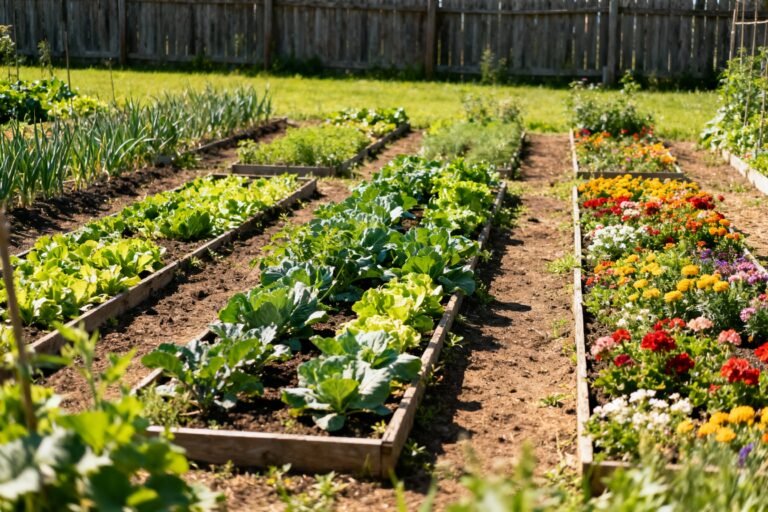
Yard? Raised beds keep things tidy and productive.
- Containers: Flexible and balcony-friendly. Use drainage holes and high-quality potting mix.
Go bigger than you think—plants hate cramped quarters.
- Raised beds: Great for control freaks (same). Warm faster, drain well, and look clean. Use untreated wood and fill with a 50/50 mix of compost and topsoil.
- In-ground: Best for big harvests.
Prep requires weeding and soil testing, but roots love the room.
Budget-Friendly Gear List
You don’t need a shed full of gadgets. Start with:
- Trowel and pruners
- Watering can or hose with a gentle nozzle
- Quality potting mix or compost
- Mulch (shredded leaves, straw, or bark)
FYI: Cheap soil = sad plants. Spend here and save on replacements later.
Soil and Water: The Two Things You Can’t Fake
Healthy soil acts like a buffet and a sponge. Mix in compost every season, and your plants will repay you with actual flavor.
Soil Basics Made Easy
- Texture: Fluffy, crumbly soil drains well but holds moisture.
- pH: Most veggies like 6.0–7.0.
If plants look grumpy, test it.
- Fertility: Use slow-release organic fertilizer at planting, then a light feed mid-season.
Watering Without the Guesswork
Overwatering happens because we love too hard. Water deeply, less often.
- Stick your finger in the soil. If the top inch feels dry, water.
- Water in the morning to prevent fungal drama.
- Mulch around plants to keep moisture and cool roots.
If containers dry out fast, add a tray under them—but don’t let them sit in swamp water.
Roots need air, not a bath.
Planting Like You Mean It
Timing matters. Plant cool-weather crops early spring and fall. Warm-weather divas (tomatoes, peppers, cucumbers) wait until nights stay above 50°F.
Seeds vs.
Seedlings
- Seeds: Cheaper, huge variety, great for greens, beans, squash.
- Seedlings: Faster start for tomatoes, peppers, eggplants. Pick sturdy ones with thick stems, not tall and floppy.
Spacing and Companions
Plants hate crowding. Give them room to breathe and you’ll avoid diseases and drama.
- Tomatoes: 18–24 inches between plants
- Lettuce: 8–10 inches
- Bush beans: 6 inches
Companion wins: basil + tomatoes (tastier tomatoes), marigolds around veggies (pest deterrent), and nasturtiums as sacrificial aphid magnets.
Pests, Problems, and Plant Drama
You will get pests.
You will also survive. Start with observation before declaring war.
Common Culprits and Easy Fixes
- Aphids: Blast with water, then spray with insecticidal soap. Ladybugs help too.
- Slugs: Hand-pick at dusk, use beer traps, or sprinkle crushed eggshells around plants.
- Powdery mildew: Improve airflow, water soil not leaves, remove infected foliage.
- Blossom end rot (tomatoes): Irregular watering causes calcium issues.
Keep moisture consistent.
Preventive Care = Less Panic
- Rotate crops each season to avoid soil-borne diseases.
- Don’t overcrowd—airflow beats fungus.
- Keep leaves off the soil with mulch and cages.
- Harvest regularly to keep plants producing.
IMO, prevention beats Googling “why is my plant dying” at 11 p.m.
Small Space? Go Vertical and Get Sneaky
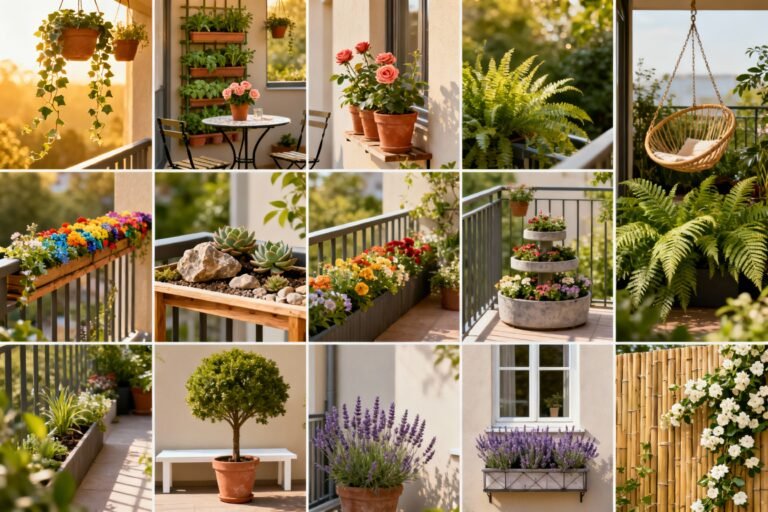
If you can’t spread out, go up. Trellises, cages, and hanging baskets turn postage-stamp patios into productive spaces.
- Grow cucumbers, peas, and pole beans on trellises.
- Hang strawberries or cherry tomatoes in sunny spots.
- Use a tiered shelf for herbs and greens.
- Sneak in edible ornamentals: rainbow chard, purple basil, dwarf peppers.
Micro-Edible Garden for a Window
Try this quick setup:
- Two rectangular planters with potting mix
- Plant one with a lettuce mix, the other with basil and chives
- Harvest leaves weekly; reseed lettuce every 3–4 weeks
You get steady salads, zero fuss, and your kitchen looks fancy.
Harvesting and Keeping It Coming
Harvest early in the day for peak flavor. Pick often so plants keep producing—especially beans, cucumbers, and zucchini.
- Cut lettuce and herbs above the base; they regrow like magic.
- Snip basil from the top to encourage bushiness.
- Let one or two plants bolt for pollinators, but replant for eating.
Simple Ways to Use the Bounty
- Herb oil: Blend herbs with olive oil and freeze in ice cube trays.
- Quick pickles: Slice cucumbers, add vinegar, salt, dill—done.
- Roasted everything: Toss mixed veg with oil, salt, pepper, roast at 425°F.
FAQ
How much time does a small home garden require?
Plan for 10–20 minutes a day for watering, quick weeding, and harvesting. Add an hour on weekends for pruning, feeding, and planting.
Once you set up mulch and a simple routine, it feels easy—like brushing your teeth, but tastier.
What’s the easiest thing to grow for beginners?
Start with basil, mint, and lettuce. They germinate fast, tolerate minor neglect, and reward you with actual food in weeks. Mint spreads like gossip, so keep it in its own pot.
Do I need fertilizer if I use compost?
Compost improves soil life and structure, but light feeders still appreciate a boost.
Use a gentle organic fertilizer at planting and once mid-season. Too much nitrogen makes big leaves and sad fruit, so go easy.
How do I keep cats or squirrels out of my planters?
Use mesh cloches, bamboo skewers in the soil (little obstacle course), or sprinkle citrus peels. Motion-activated sprinklers work in yards.
Also, plant decoys—sunflower seeds for squirrels can save your tomatoes.
Can I grow year-round?
Yes, with a little strategy. Grow cool-season crops in spring and fall, then switch to hardy greens under a simple row cover in winter. Indoors, keep a rotating herb garden under an LED grow light.
Fresh parsley in January feels luxurious, trust me.
How do I know when to water?
Use the finger test: if the top inch of soil feels dry, water. Lift containers—light pots need a drink. Aim for deep, thorough watering, not daily dribbles.
Consistency beats overthinking.
Conclusion
Home gardening doesn’t require perfection; it rewards curiosity. Start with a few plants, give them decent soil and steady water, and watch your space turn alive. You’ll mess up, you’ll learn, and you’ll eat better than you thought possible.
Now grab a trowel and claim your corner of green—your future salads will thank you.