Tulip Flower Guide: Meaning, Types, and Growing Tips
Tulips don’t whisper; they pop. One day your garden looks like a polite green carpet, and the next—bam—color explosions everywhere. They’re the floral equivalent of a confetti cannon, and honestly, who doesn’t love a little drama after winter?
If you’ve ever fallen for those glossy petals and perfect cup shapes, welcome to the club. Let’s talk tulips—history, care, varieties, and a few tricks to keep them looking like the main character.
Why We’re All Obsessed with Tulips
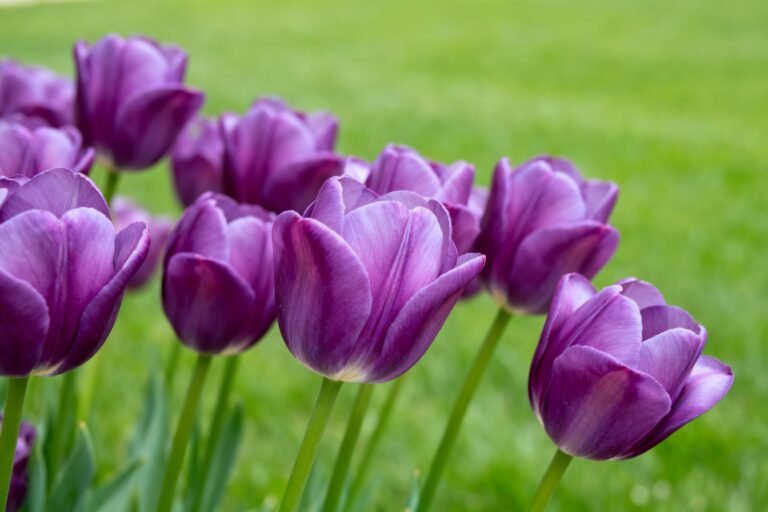
Tulips know how to make an entrance. They bloom right when we need hope, clap back at dreary weather, and deliver color like a highlighter pack. They come in almost every color (even near-black) and suit every vibe—minimalist white, candy-bright mixed beds, or moody, dark purple drama.
They also play well with others. Plant them with daffodils, grape hyacinths, or forget-me-nots and boom: instant spring mood board. And IMO, few flowers photograph as beautifully as a tulip.
They’re basically born influencers.
A Little Tulip Tea: The Backstory
Tulips originated in Central Asia and blew up in the Ottoman Empire before conquering Europe. By the 1630s in the Netherlands, tulip mania turned these flowers into status symbols worth absurd amounts of money. People literally traded houses for bulbs.
Rational? Not even a little. Iconic?
Absolutely. That Dutch connection stuck, and now the Netherlands still leads tulip production with fields so stunning they look fake. Keukenhof, the famous garden, plants millions of bulbs each year—like a spring theme park for flower nerds.
Tulip Types You’ll Actually Want
Tulips come in more categories than a streaming platform. Here are the hits you’ll keep rewatching:
- Single Early: Classic cups, early bloomers, great for tight spaces and containers.
- Triumph: The all-rounders.
Mid-season bloom, sturdy, endless colors. If you’re unsure, start here.
- Darwin Hybrid: Tall, powerful stems with big flowers. Great garden presence and decent perennial potential.
- Parrot: Ruffled, dramatic, slightly extra (and we love them for it).
Amazing for statement pots or bouquets.
- Fringed: Petals with fringy edges—like tulips in couture. Great texture in mixed beds.
- Double (a.k.a. Peony Tulips): So many petals they look like peonies.
Heavy heads, so tuck them out of the wind.
- Species (Botanical): Small, natural-looking, and more likely to return each year. Plant and relax.
Color Picks That Slap
- ‘Queen of Night’: Near-black, moody, dramatic. Pair with pale pinks or whites for contrast.
- ‘Apricot Beauty’: Soft peach that glows at golden hour.
FYI, great in containers.
- ‘Ballerina’: Elegant orange with a sweet scent. Yes, some tulips smell delicious.
- ‘Angelique’: Double pastel pink perfection. Wedding vibes, zero regrets.
- ‘Spring Green’: White petals with green flames—understated chic.
Planting Tulips Without Overthinking It
Tulips want one thing: a cold, well-drained winter nap.
Give them that, and they’ll reward you.
When to Plant
- Timing: Plant in fall after soil cools—roughly 6–8 weeks before the hard freeze. In warm zones, refrigerate bulbs 10–12 weeks first.
- Temperature cue: Soil around 50°F (10°C) is the sweet spot.
Where and How
- Sun: Full sun (6+ hours). They’ll tolerate light shade, but bloom power drops.
- Soil: Well-drained.
If your soil holds water, add grit or use raised beds/containers.
- Depth: About 6–8 inches deep, pointy end up. Space 4–6 inches apart—or closer for that lush “magazine” look.
- Clump it: Plant in groups of 7–15 bulbs for impact. Lines can look stiff; clusters look luxurious.
Container Strategy
Yes, you can absolutely pot tulips.
Use a large container with drainage holes, add quality potting mix, and layer bulbs like lasagna for a staggered show:
- Big bulbs (Darwin, Triumph) at the bottom.
- Mid-size varieties in the middle.
- Small species tulips near the top.
Keep the pot cold but not soaked over winter. A sheltered porch works great.
Will They Come Back? The Perennial Question
Short answer: sometimes.
Tulips evolved in dry summers and cold winters, so depending on your climate and soil, they either return or ghost you after a season.
- Best bets for return: Darwin Hybrids and species tulips.
- Encourage rebloom: Let leaves fully yellow before trimming (they feed the bulb). Water lightly after bloom, then keep soil drier in summer.
- Fertilizer: Add a balanced bulb fertilizer at planting and right after blooming.
- Hot, wet summers: Consider lifting bulbs once foliage dies back, dry them, and replant in fall. IMO, that’s only worth it for prized varieties.
Zone-Specific Tips
- Cold climates (Zones 3–5): Tulips thrive.
Mulch lightly after the ground freezes to prevent heave.
- Moderate (Zones 6–7): Choose durable varieties; partial shade helps flowers last longer.
- Warm (Zones 8–10): Pre-chill bulbs in the fridge 10–12 weeks. Treat most tulips as annuals and replant each fall.
Tulip Drama: Pests, Problems, and How to Clap Back
Tulips taste like a snack to everything with teeth. Protect your investment, especially if you garden where deer judge your plant choices.
- Deer and rabbits: Use physical barriers (wire cloches, netting) or plant tulips behind deer-resistant borders like daffodils, alliums, and rosemary.
Repellents help but need reapplication.
- Voles: Plant bulbs in mesh baskets or line holes with sharp grit. Not cute, but effective.
- Rot: Poor drainage invites fungus. Fix soil, not symptoms.
- Tulip fire (Botrytis): Look for mottled leaves and distorted buds.
Remove affected plants, don’t compost, and avoid overhead watering.
Cut Flowers That Last
Pick tulips when buds show color but still feel firm. Cut stems at an angle, pop into cool water, and use a tall vase to support those surprisingly wiggly stems. Tulips keep growing after you cut them, so arrange a bit shorter than you think. Refresh water daily and keep away from fruit bowls (ethylene gas = sad petals).
Design Moves That Make Tulips Look Expensive
Want that curated garden look?
Try these easy wins:
- Monochrome blocks: A mass of one color looks elevated. Think 50 white tulips under a birch—chef’s kiss.
- High-contrast pairs: Deep purple with lemon yellow. Coral with violet.
Drama without chaos.
- Naturalizing edges: Species tulips along paths or rock gardens feel effortless.
- Layered heights: Tall Darwins in back, fringed or doubles mid, species in front.
- Companion planting: Underplant with forget-me-nots or wallflowers so fading tulip foliage hides in plain sight.
Small Space? No Problem
Containers on a balcony still slap. Mix early, mid, and late varieties so something pops for weeks.
Tuck the pot where you see it from indoors—instant spring mood booster.
FAQ
How many tulip bulbs should I plant together?
For a strong visual impact, plant in groups of at least 7–15 bulbs. Small clusters look intentional, while big drifts feel luxurious. Single bulbs dotted around can look a bit… lonely.
Do tulips need special soil?
They need well-drained soil, period.
Sandy or loamy is ideal. If you have heavy clay, amend with compost and grit, or plant in raised beds and containers for happier bulbs and fewer fungal issues.
Can I grow tulips indoors?
Yes, but you’ll need chilled bulbs. Pre-chill 10–12 weeks at 35–45°F (not near apples), pot them up, then bring into a cool, bright room.
They’ll bloom in a few weeks. It’s like fast-forwarding to spring—FYI, it feels magical in January.
What do I do after tulips finish blooming?
Deadhead the flower to stop seed production, but keep the leaves until they yellow. That’s how the bulb recharges.
Water lightly for a couple weeks, then let the area dry down.
Why did my tulips flop over?
Wind, heavy double blooms, or not enough sun can cause flopping. Plant deeper, choose sturdier types (Darwins, Triumphs), and give doubles a sheltered spot. Indoors, tulips flop if they overheat—cool them down and refresh water.
Are tulips toxic to pets?
Yes, especially the bulbs.
They can cause gastrointestinal upset in dogs and cats. Keep bulbs out of reach and don’t let pets dig in freshly planted beds. Safety first, chaos puppies second.
Conclusion
Tulips deliver big joy for not much effort, which makes them the ultimate spring hack.
Plant a few dozen in fall, forget them, then enjoy the pop of color when winter finally retires. Whether you go moody with near-black or bright with candy reds, tulips show up and show off. IMO, that kind of low-drama, high-impact beauty is always worth a spot in the garden.