Rose Garden Guide: Best Plants, Layouts, and Care Tips
Your first whiff of a rose garden feels like an instant mood upgrade. The air changes, the pace slows, and suddenly you wonder why you ever tolerated boring hedges. Roses used to intimidate me—so fussy, so dramatic—but once you learn their quirks, they’re surprisingly forgiving.
Ready to build a bloom-filled sanctuary that smells like a perfumery and looks like a painting? Let’s dig in.
Why Roses Still Rule
Roses survived every trend swing because they deliver everything: color, fragrance, romance, structure, and pollinator action. They work in tiny patios and sprawling estates.
You can grow them in pots, along fences, or as giant, look-at-me climbers. Plus, breeders solved a lot of the old-school headaches. Many modern roses offer repeat flowering, disease resistance, and low-maintenance habits.
Translation: you can enjoy roses without dedicating your life to them. IMO, that feels like cheating, and I’m here for it.
Choosing the Right Roses (So You Don’t Hate Yourself Later)
Roses come in categories, and yes, the labels matter. Pick the right type for your space and vibe, and you’ll avoid half the drama.
- Hybrid Teas: Long stems, perfect for vases, classic high-centered blooms.
Great as showpieces, a bit needy.
- Floribundas: Clusters of flowers, constant color, manageable size. Your reliable crowd-pleasers.
- Grandifloras: A hybrid tea–floribunda mash-up. Taller, with bigger blooms and decent quantity.
- Shrub Roses: Bushy, hardy, often reblooming.
Think landscape workhorses with style.
- Climbing Roses: Long canes for trellises, fences, arches. Pair with sturdy supports—these beasts don’t mess around.
- Old Garden/Heirloom Roses: Fragrance off the charts, gorgeous forms. Some bloom once; the show is worth it.
- Miniatures/Patio Roses: Tiny plants, tiny blooms, huge charm.
Perfect for containers.
Match Your Rose to Your Microclimate
Not all roses adore blazing summers or foggy mornings. Check:
- Heat tolerance: Look for sun-loving, heat-hardy varieties if summers roast your yard.
- Humidity: Choose disease-resistant roses for humid areas (mildew loves a steamy party).
- Cold hardiness: Zone-appropriate picks save you from winter heartbreak. FYI, rootstock and grafting affect resilience.
Designing a Rose Garden That Doesn’t Look Stuffy
You can go formal, cottagey, or somewhere in between.
The trick? Mix texture, height, and timing so the garden looks good even between rose flushes.
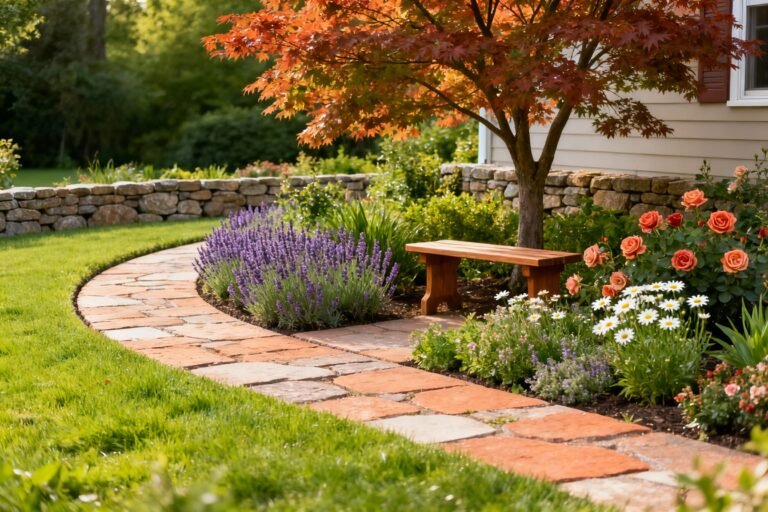
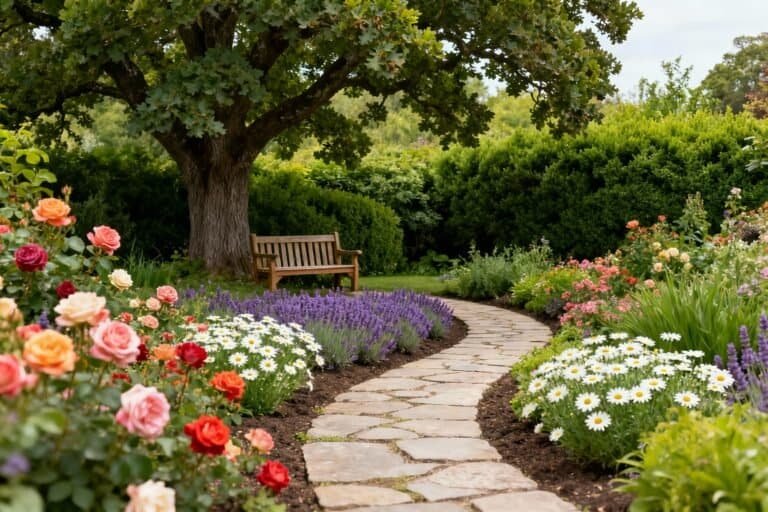
- Create bones: Use hedges, paths, arches, or obelisks to frame the layout. Roses love structure.
- Layer heights: Tall climbers in back, shrubs in the middle, low growers and groundcovers up front.
- Mix companions: Add perennials and herbs to fill gaps and support beneficial insects.
- Repeat colors: Choose a palette and echo it.
Think blush-and-berry or coral-and-apricot.
Companion Plants That Actually Help
Companions soften the look and reduce pest pressure. Try:
- Nepeta (catmint) and salvia for a haze of purple around rose bases.
- Lavender and rosemary for fragrance, pollinators, and tidy mounds.
- Alliums to deter pests and add sculptural blooms.
- Geraniums (cranesbill) as living mulch to shade the soil.
Planting: Set Them Up for an Easy Life
Roses love sun, airflow, and decent soil. Give them that trifecta and you’ll look like a genius.
- Pick your spot: 6–8 hours of sun daily.
Morning sun dries leaves and reduces disease.
- Prep the soil: Loamy, well-drained soil with compost is gold. Aim for slightly acidic pH (6.0–6.5).
- Planting depth: For grafted roses, keep the bud union just above soil in warm climates, 1–2 inches below in cold climates to protect it.
- Water in: Soak deeply after planting. Mulch 2–3 inches to regulate moisture and temperature.
Container Roses Done Right
No yard?
No problem.
- Use a large pot (at least 16–20 inches wide for shrubs).
- Choose high-quality potting mix with slow-release fertilizer.
- Water more often—containers dry fast. Add mulch even in pots.
- Rotate the pot monthly so all sides get sun and bloom evenly.
Care Without the Drama
Roses don’t need coddling, just consistency. Think spa day, not ICU.
- Water: Deeply once or twice a week.
Keep leaves dry to avoid disease. Early morning wins.
- Feeding: Start in spring after flush of growth, then every 4–6 weeks until midsummer. Stop late season so plants harden off.
- Mulch: 2–3 inches of organic mulch keeps roots cool and weeds sulking.
- Deadheading: Snip spent blooms just above a 5-leaflet leaf to encourage rebloom.
Pruning Without Panic
You’ll hear 10 opinions.
Here’s the simple version:
- Timing: Late winter or very early spring—after hardest frosts but before big growth.
- Tools: Sharp bypass pruners, loppers, gloves. Clean blades = fewer problems.
- Method: Remove dead, damaged, or crossing canes. Open the center for airflow.
For hybrid teas and floribundas, reduce height by one-third to one-half. For climbers, tie long, flexible canes horizontally to maximize blooms.
Pests, Diseases, and How to Keep Your Chill
Yes, roses attract drama: aphids, black spot, powdery mildew. But you can stay ahead of it.
- Aphids: Blast with water, encourage ladybugs, or use insecticidal soap.
- Black spot: Improve airflow, water soil not leaves, remove infected foliage.
Choose resistant varieties.
- Powdery mildew: More sun, less overhead water, prune crowded growth.
- Thrips/Japanese beetles: Sticky traps for beetles (used carefully), blue sticky cards for thrips, and regular scouting.
Integrated Pest Management (IPM) Basics
Work smarter:
- Scout weekly. Early detection saves you from melodrama later.
- Start with the least invasive fix: water spray, hand-pick, prune.
- Use targeted treatments only when needed. Blanket sprays nuke the good guys too, which backfires.
Fragrance and Color: Curate Your Signature Mix
Want a garden that smells like a luxury candle?
Choose fragrance-first varieties. Some offer myrrh notes, others citrus, tea, or damask. You’ll get hooked, FYI.
- For perfume lovers: Consider ‘Double Delight,’ ‘Mister Lincoln,’ ‘Gertrude Jekyll,’ ‘Princess Alexandra of Kent.’
- For nonstop color: Try ‘Knock Out’ series, ‘Julia Child,’ ‘Iceberg,’ ‘At Last.’
- For climber drama: ‘Eden,’ ‘New Dawn,’ ‘Zephirine Drouhin’ (thorn-light and shade tolerant), ‘Pierre de Ronsard.’
Color Pairing Tips
- Romantic palette: Blush, cream, soft apricot, dusty lavender.
- Bold palette: Hot pink, coral, gold, and cherry red—balanced with silvery foliage.
- Monochrome magic: Different forms and textures in one color family look chic and intentional.
Seasonal Rhythm: Keep the Show Going
Plan for waves of bloom and back-up color, so the garden never looks “between seasons.”
- Spring: Major flush.
Feed lightly, mulch, and start pest scouting.
- Summer: Deadhead regularly. Water deeply during heat waves. Shade roots with companions.
- Fall: Enjoy second (or third) flush.
Ease off fertilizer. Let hips form if you want winter interest.
- Winter: Clean up debris, refresh mulch. Prune late winter.
In cold zones, protect grafts with mounded mulch.
FAQs
Do roses really need full sun?
They perform best with 6–8 hours of direct sun. You can get away with 4–5 hours for some varieties, especially lighter-colored or shade-tolerant types like ‘Zephirine Drouhin,’ but expect fewer blooms. Morning sun matters most because it dries foliage quickly.
Can I grow roses organically?
Yes.
Choose disease-resistant varieties, improve airflow, water the soil (not leaves), and mulch. Use beneficial insects and targeted treatments like horticultural oils or insecticidal soaps if needed. Healthy soil biology does half the work for you, IMO.
How often should I water?
Deeply once or twice a week, depending on heat and soil.
Roses like consistent moisture, not soggy feet. Containers need more frequent watering—sometimes daily in midsummer.
Why won’t my rose bloom?
Usually it’s one of four culprits: not enough sun, overfertilizing with nitrogen (great leaves, no flowers), poor pruning strategy, or the plant’s still establishing. Also, some old roses bloom once a year—check your variety before panicking.
What’s the deal with grafted vs. own-root roses?
Grafted roses bloom sooner and may show vigorous growth, but the rootstock can send up suckers (remove those).
Own-root roses take a bit longer to mature but recover better from winter damage and stay true to type if they die back.
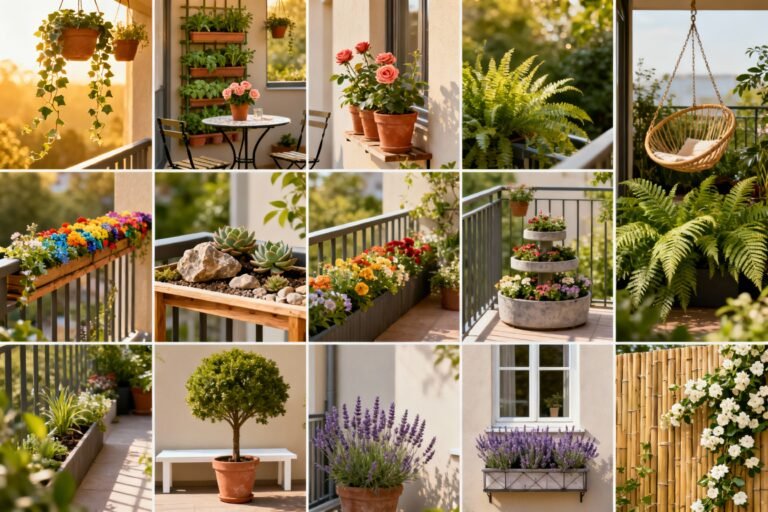
Can I put a rose in a small balcony pot?
Absolutely—pick a compact variety or a miniature. Use a big enough container, high-quality potting mix, and fertilize lightly through the season. Rotate the pot for even sun and stake it if wind whips through.
Conclusion
A rose garden doesn’t need to feel like a high-maintenance diva.
Choose the right varieties, set solid foundations, and keep a steady routine, and you’ll get months of blooms and buckets of fragrance. Blend in companion plants, prune with confidence, and embrace the seasonal rhythm. Before long, you won’t just grow roses—you’ll live among them, which, let’s be honest, sounds pretty perfect.