Garden Room Ideas: Stylish Designs to Enhance Your Home
A garden room flips the script on what “home” means. It’s a space that lets you sneak outside without actually going outside—no bugs, no wind, just vibes. Picture a cozy studio, a calm office, or a gym with a view, all surrounded by green.
Sounds good? Let’s make it real.
What Exactly Is a Garden Room?
A garden room is a standalone structure in your yard that functions like an extra room. Think of it as an outbuilding that looks gorgeous, feels insulated, and doesn’t scream “shed.” It usually features plenty of glass, proper insulation, and a design that blends with your garden.
Unlike a conservatory, a garden room doesn’t attach to your house. That separation matters. You walk to it, shut the door, and instantly switch into “let’s get stuff done” mode—or “let’s do nothing” mode, which IMO matters just as much.
Why Garden Rooms Are Having a Moment
We all crave space, and not everyone wants to move just to get it.
A garden room delivers extra usable square footage without the cost and disruption of an extension. You keep the garden vibe and gain a flexible room that changes with your life. You also sidestep the “my living room is doing ten jobs” problem.
Home office? Art studio? Teen hangout?
Meditation nook? Yes, yes, yes, and absolutely yes. FYI, your future self will thank you.
Popular Ways to Use a Garden Room
You don’t need to pick just one use, but here are tried-and-true ideas that actually work.
- Home office: Quiet, separate, and Zoom-friendly.
No kitchen clatter, no awkward bookshelf backdrop.
- Creative studio: Natural light, big table, sealed floors for paint splashes—dreamy.
- Gym or yoga space: Rubber flooring, mirrors, heater, speaker. Instant motivation.
- Guest suite: Add a small bathroom if you can. Your guests will never leave (sorry).
- Gaming or cinema room: Soundproofing + big screen = bliss.
- Garden pub: String lights, a mini fridge, and stools.
Suddenly everyone’s “popping over.”
Combining Uses Without Chaos
If you want a multifunctional space, plan for zones. Use shelving to divide, a rug to define, or a fold-down desk to maximize floor space. Keep cables tidy, add dimmable lighting, and consider furniture on casters.
Small tweaks make one room do three jobs without looking like a storage unit.
Design Basics: Make It Look Like It Belongs
Your garden room should suit both your house and your garden. It’s not a spaceship landing; it’s a companion to your existing style.
- Shape and size: Rectangular boxes work best. Measure your garden paths and gates—delivery access matters.
- Cladding: Cedar looks premium and ages gracefully; composite cladding needs less maintenance; painted timber can match your vibe.
- Roof: Flat roofs look modern; pitched roofs feel cottage-y and can add headroom.
Check height rules (more on that in a sec).
- Glazing: Big sliding or bifold doors bring the outdoors in. Include a smaller, openable window for airflow without inviting all the bugs.
- Flooring: Luxury vinyl tile for durability, engineered wood for warmth, rubber for gyms, sealed concrete for that cool industrial look.
Layout Tips That Save Your Sanity
Plan the door and window placement around how you’ll use the room. If you’re desk-bound, position the desk facing a window but not direct glare.
Put power sockets where you’ll actually need them (behind the desk, near the TV wall, in the corner for a heater). And yes, run an ethernet cable if you can—Wi-Fi extenders only go so far.
Comfort: Insulation, Heating, and Light
You’ll use a garden room more if it actually feels comfortable. Not rocket science, but some people forget the basics.
- Insulation: Go for insulated floor, walls, and roof.
Aim for decent U-values (lower numbers = better). You’ll thank yourself in winter.
- Heating and cooling: Efficient options include an electric panel heater on a smart plug, underfloor heating for consistent warmth, or a mini-split AC/heat pump for all-season comfort.
- Lighting: Mix ambient (ceiling LEDs), task (desk lamp), and accent (wall lights or strips). Use warm white (2700–3000K) unless you want a surgery vibe.
- Ventilation: Trickle vents, an openable window, or a small extractor if you plan to sweat, paint, or both.
Soundproofing for Peace and Quiet
Want to play drums or join 27 video calls a day?
Add acoustic insulation in the walls, double-layer plasterboard with green glue, solid-core doors, and heavy curtains. It won’t become a recording studio, but you’ll dramatically cut noise bleed.
Money Talk: Budget, Value, and Running Costs
Let’s be honest: garden rooms aren’t cheap, but they’re often cheaper than an extension and way faster.
- Build costs: Expect a range depending on size and spec. DIY kits cost less; bespoke builds cost more but fit your space perfectly.
- Foundations: Ground screws or concrete pad—both work.
Ground screws cause less mess and usually install faster.
- Electrics: Budget for a proper armoured cable run from your house, consumer unit, sockets, and lighting. Add data cabling too—worth it.
- Running costs: Insulate well and choose efficient heating. Motion sensors outdoors, smart thermostats inside, LED everything.
- Resale value: Buyers love extra space.
A well-built, attractive garden room can make your listing pop.
Kit, Modular, or Bespoke?
– Kit: Fast and affordable, but limited layouts. Great for straightforward uses. – Modular: Pre-built sections install quickly. Good balance of customization and speed. – Bespoke: Designed to your garden, your style, your weirdly placed tree.
Costs more but can look incredible.
Planning Permission, Rules, and Neighbors
FYI: Many garden rooms fall under permitted development, but you must follow rules. General guidance (always check local regs):
- Height: Usually up to 2.5 m at the eaves; total height rules vary with roof type and boundary distance.
- Placement: Keep a reasonable distance from boundaries, especially with taller structures. Don’t block sightlines or access.
- Use: Occasional guest stays might be fine; permanent living usually needs permission and a different spec.
- Utilities: Bathrooms and plumbing often trigger extra approvals.
Electrics must meet safety standards—no exceptions.
Talk to your neighbors before you build. A quick chat prevents future drama. Promise.
Style Moves That Make It Sing
Add character without blowing the budget:
- Exterior details: Timber slats, vertical gardens, a deck, or a gravel path for that “intentional” look.
- Color: Charcoal or black makes greenery pop.
Soft sage or off-white blends in. Bold doors add personality.
- Inside finishes: Plywood panels for warmth, crisp white for light, or a feature wall in a muted tone.
- Furniture: Keep it light and mobile. A sofa bed turns office into guest room.
Hidden storage maintains sanity.
- Lighting layers: Fairy lights outside, a floor lamp inside, and dimmers everywhere. Instant mood control.
Landscaping Around the Room
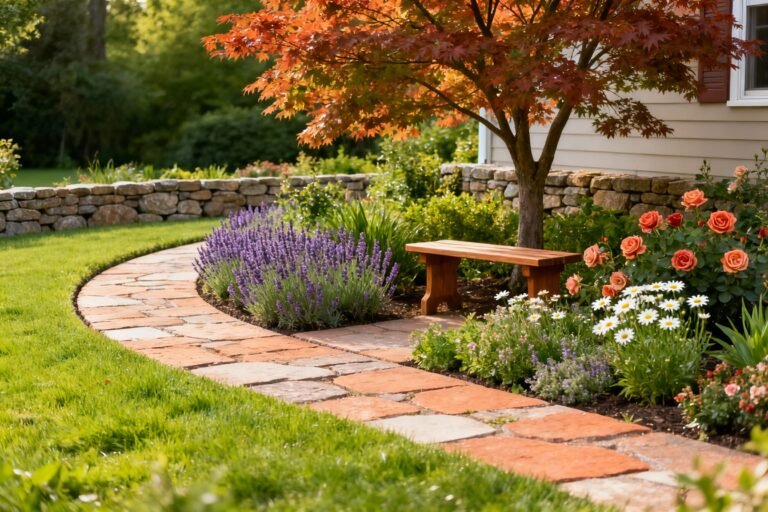
Frame the structure with plants to make it feel grounded. Use evergreens for year-round structure, grasses for movement, and a couple of perennials for color.
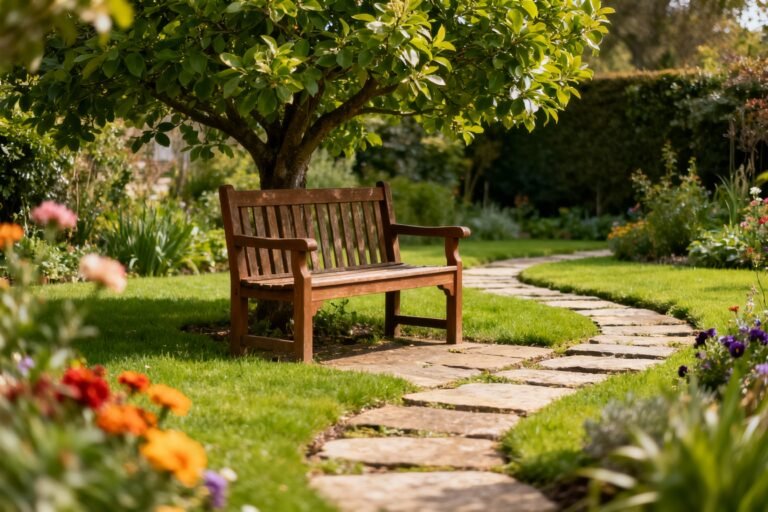
A stepping-stone path invites you in. Add a rain chain or water butt to handle runoff and look cool doing it.
DIY vs Hiring Pros
If you love tools and have time, a kit build can feel satisfying. You’ll handle foundations, framing, insulation, and finish work.
It saves money but demands energy and accuracy. Hiring pros speeds everything up and keeps standards high. You’ll pay more, but you’ll also avoid “why is my door crooked?” nightmares.
Middle ground: get pros for groundwork and electrics, DIY the interior finishes. IMO, that’s the sweet spot for many people.
FAQ
Do garden rooms need foundations?
Yes, but not necessarily a full concrete slab. Ground screws or concrete pads often work great and keep costs and disruption down.
Choose based on soil type, size, and load.
Can I use a garden room year-round?
Absolutely—if you insulate properly and install decent heating. Add ventilation and consider a mini-split for cooling in hot spells. Comfort makes or breaks usage.
Do I need planning permission?
Often you don’t, because many garden rooms fall under permitted development.
But rules vary by location, size, and features like plumbing. Always check with your local authority first.
How much does a garden room cost?
Costs vary depending on size, materials, and whether you go DIY, modular, or bespoke. Budget for electrics, foundations, and interior finishes too.
A realistic range beats wishful thinking every time.
Can I run water to a garden room?
Yes, but plan carefully. You’ll need proper drainage, insulation for pipes, and approvals in many areas. It’s doable and worth it if you want a bathroom or sink.
How do I get good internet out there?
Run an ethernet cable in conduit from your router to the garden room.
If that’s impossible, try a point-to-point Wi-Fi bridge. Repeaters struggle outdoors—hardwired wins.
Conclusion
A garden room gives you space, calm, and flexibility without a giant renovation. Plan the layout, insulate well, and pick finishes that make you smile.
Build smart and it becomes your favorite place at home—office by day, sanctuary by night. And if it accidentally becomes the best bar on your street? Oops.