Mediterranean Garden Ideas to Transform Your Outdoor Space
Sun-drunk colors, sun-warmed stones, and a breeze that smells like rosemary and sea salt. That’s the Mediterranean garden vibe in a nutshell. It’s relaxed, fragrant, and blissfully low-maintenance if you set it up right.
Want a backyard that feels like a long lunch in Santorini or a stroll through Provence? Let’s make that happen.
What Makes a Garden “Mediterranean” Anyway?
Mediterranean gardens celebrate the climate: hot, dry summers and mild, wet winters. The plants don’t complain when you skip a watering day (or three).
The design leans casual, textural, and a little wild rather than manicured. You’ll see three big themes: sun-loving plants, water-wise choices, and simple, tactile materials. Think terracotta pots, gravel paths, and herbs you can snip while you cook.
Charming and practical? Yes, please.
Core Design Elements to Nail the Look
Start with structure. Mediterranean spaces feel cohesive because they repeat a few elements and keep the palette tight.
Here’s a simple blueprint:
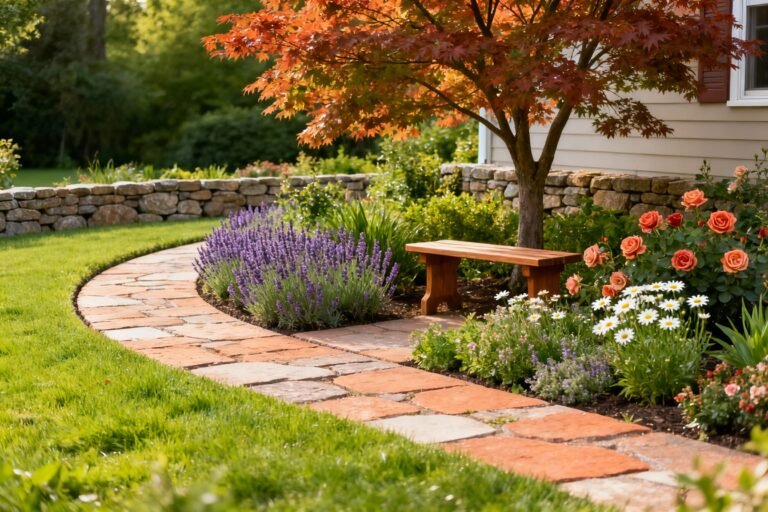
- Hardscape first: Use gravel, decomposed granite, or warm-toned pavers. Add low stone walls or stacked rocks to shape terraces or raised beds.
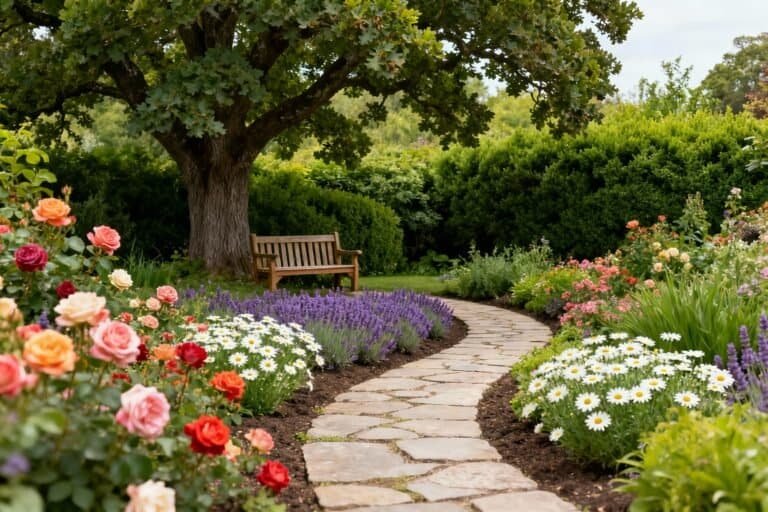
- Soft, natural lines: Curved paths and irregular borders make everything feel organic and inviting.
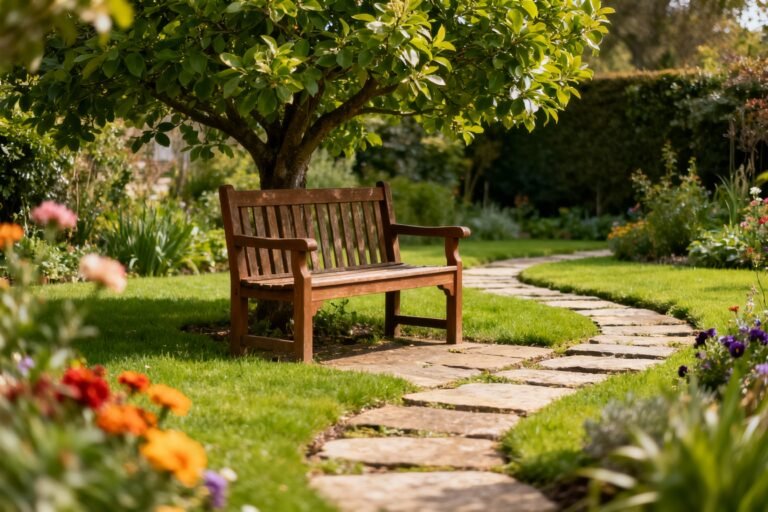
- Zones for lounging: Create a shady nook with a pergola, olive tree, or big umbrella. Add a bench or sling chairs (bonus points for stripes).
- Terracotta & clay: Pots, planters, and bowls make mobile micro-gardens.
Cluster them in odd numbers for a relaxed look.
- Water feature (optional but dreamy): A small wall fountain or bowl bubbler adds that tranquil trickle without overdoing it.
Color and Texture Palette
Mediterranean gardens live in a palette of sun-baked neutrals (sand, cream, clay) with pops of blue, indigo, and olive green. For texture, mix rough stone, smooth ceramic, and wispy plant forms. FYI, contrast matters more than complicated color schemes.
Plants That Thrive (and Look Effortless)
Resilient, aromatic, and insanely pretty—that’s the plant brief.
You want species that love heat, handle dry spells, and don’t pout when the soil drains fast.
Hero Plants
- Olive (Olea europaea): Silvery leaves, sculptural trunk, instant “vacation.” Needs full sun, excellent drainage.
- Lavender (Lavandula spp.): Fragrant, bee-magnet, hates wet feet. Choose English or French types depending on climate.
- Rosemary (Rosmarinus officinalis): Upright or trailing. Tough as nails, edible, and evergreen.
- Thyme and oregano: Groundcover heroes that soften edges and invite butterflies.
- Citrus: Lemons, limes, or kumquats in pots for cooler zones.
Sun + regular feeding = fruit galore.
- Italian cypress or juniper: Vertical punctuation—use sparingly for drama.
- Bougainvillea: If your climate allows, it’s a technicolor dream. Give it sun and a structure to climb.
Flower Power, Mediterranean-Style
- Gaura: Airy, butterfly-like blooms all season.
- Salvia: Long bloomers, drought-tolerant, hummingbird-approved.
- Agapanthus: Those striking blue spheres? Yep, plant them in drifts.
- Rockrose (Cistus): Crinkly petals, low water, high charm.
When You Don’t Live in the Med
No Mediterranean climate?
No problem. Choose lookalike plants adapted to your zone. The vibe matters more than strict plant origin.
IMO, aim for silver foliage, aromatic herbs, and drought-tolerant shrubs to fake the climate in style.
Soil, Water, and Sun: The Big Three
Mediterranean plants crave sun, air around the roots, and infrequent water. Baby them too much and they sulk.
- Soil: Prioritize drainage. Amend heavy soil with crushed gravel, pumice, or coarse sand.
Raised beds or mounds help big time.
- Water: Deep, occasional soaks beat frequent sips. Drip irrigation under mulch keeps roots happy and leaves dry.
- Mulch: Use gravel, crushed shell, or bark. It locks in moisture and dials the look to “authentic.”
- Sun: Most stars need 6–8 hours daily.
Shade lovers (hello, ferns) don’t play here.
Winter and Frost Tips
– In colder climates, plant tender species in pots so you can move them indoors or to a greenhouse. – Wrap citrus with frost cloth during snap freezes. – Improve airflow to reduce winter rot; soggy plus cold equals heartbreak.
Layout Ideas You Can Copy
Let’s talk practical layouts you can implement this weekend (or okay, this month).
The Courtyard Nook
– Small gravel patio edged with lavender and thyme. – Bistro table, two chairs, terracotta pots with dwarf citrus. – A simple wall fountain for ambiance.
The Herb Walk
– Meandering path with rosemary, sage, oregano, and creeping thyme spilling over. – Add stepping stones set in gravel. – Tuck in solar path lights for that golden-hour glow.
Sunset Terrace
– Low stone wall that doubles as seating. – Olive tree as a focal point with agapanthus and salvia in drifts. – Sling chairs, striped cushions, and a lantern or two. Done.
Entertaining, Mediterranean-Style
This garden begs for long, lazy gatherings. You don’t need a full outdoor kitchen—just create a comfortable spot and layer ambiance.
- Lighting: String lights across a pergola, plus a couple of lanterns at different heights.
- Tabletop: Blue-and-white ceramics, wood boards, and linen napkins.
Rustic beats fancy here.
- Scents: Night-blooming jasmine or lemon verbena near seating ups the romance, FYI.
- Sound: Subtle water feature or a low playlist. Keep it chill.
Maintenance Without the Meltdown
Good news: Mediterranean gardens don’t demand much. They prefer neglect over fuss.
- Pruning: Lightly shape after flowering.
Don’t shear into meatballs (your lavender will never forgive you).
- Feeding: Go easy. Too much fertilizer = floppy growth. Compost top-dressing in spring works wonders.
- Weeds: Mulch keeps them down.
Hand-pull the few rebels that sneak through.
- Pests: Encourage beneficial insects with diverse blooms. Most herbs repel the worst offenders anyway.
Common Mistakes
– Overwatering or poor drainage—plants rot, you cry. – Too many colors and fussy flowers—loses the calm vibe. – Forgetting seating—gardens are for people, not just photos.
Budget-Friendly Tips (Because Terracotta Isn’t Free)
– Start small: Plant in clusters and let them fill in. You can always add more later. – Propagate herbs: Rosemary, lavender, and thyme root easily from cuttings. – Use gravel generously: Cheaper than stone pavers, still chic. – Shop local: Native drought-tolerant plants often cost less and adapt faster.
IMO, they’re the smart cheat code.
FAQ
Can I create a Mediterranean garden in a rainy climate?
Yes, as long as you nail drainage. Build raised beds, use gritty soil mixes, and choose varieties that handle moisture better, like certain salvias and rockroses. Keep plants spaced for airflow so rain doesn’t linger on leaves.
Do I need an olive tree to make it “Mediterranean”?
Nope.
It helps the vibe, but you can swap with bay laurel, Russian olive (only where noninvasive), or even a small fruitless olive cultivar in a pot. The overall feel—stone, herbs, and silver foliage—matters more than any single tree.
What’s the best groundcover for that soft, lived-in look?
Creeping thyme wins. It’s fragrant, drought-tolerant, and bee-friendly.
Plant it between pavers or along paths, and it’ll spill beautifully without acting like a lawn invader.
How often should I water a Mediterranean garden?
After establishment, give deep water every 1–2 weeks in hot weather and much less in cool seasons. Always check soil first—if the top few inches feel dry, then water. Your plants prefer a good soak over daily sprinkles.
Can I grow bougainvillea in a pot?
Absolutely.
Use a large pot with sharp drainage, full sun, and a sturdy trellis. Feed lightly during the growing season. In colder zones, overwinter it indoors or in a greenhouse, and it’ll reward you with color explosions.
What if my soil is heavy clay?
Amend like your life depends on it.
Mix in gravel, pumice, or coarse sand at 30–50% volume, then mound beds to lift roots above soggy zones. Alternatively, go big with raised beds filled with a gritty, well-draining blend.
Conclusion
A Mediterranean garden doesn’t ask you to micromanage. It invites you to slow down, sip something cold, and breathe in rosemary-scented air while the sun warms your shoulders.
Keep the materials simple, pick resilient plants, and focus on places to sit and savor. Do that, and your backyard will whisper “vacation” every time you step outside.