Flower Types and Varieties: Stunning Options for Every Season
Some flowers whisper. Others show up like they own the room. Either way, they make us feel things—nostalgia, joy, the sudden urge to buy a cute vase we don’t need.
Want a quick tour through the wild, gorgeous world of flower types? Let’s dive in, no botany PhD required.
Annuals vs. Perennials: The Eternal (or Not-So-Eternal) Debate
You’ve got two big camps: annuals that live fast and party hard for one season, and perennials that return every year like that reliable friend who always brings snacks.
What’s better? Depends on your patience and your vibe.
Annuals: Instant Gratification
Annuals bloom their hearts out, then peace out. Great for maximum color with minimal commitment.
- Marigolds: Cheerful, tough, and bug-deterring.
Honestly, little suns.
- Zinnias: Bright, bold, and perfect for bouquets.
- Petunias: Trailing color machines for hanging baskets and borders.
FYI, annuals work beautifully when you want a seasonal “wow” or you’re testing a color scheme before going all in.
Perennials: The Long Game
Perennials build up strength over time and come back every year. It’s like compound interest, but prettier.
- Peonies: Big, fluffy drama queens. Worth the wait.
- Daylilies: Low-maintenance, constant blooms once established.
- Black-eyed Susans: Sunny, easy, and pollinator-friendly.
IMO, mix both: annuals for instant color, perennials for long-term structure.
Classic Bloom Types: Know Your Petals
Flowers can look completely different even within the same plant family.
Understanding bloom types helps you plan a garden that doesn’t look like a floral free-for-all (unless that’s your aesthetic, which I respect).
Single vs. Double Blooms
- Single: One row of petals with a visible center. Think daisies and cosmos.
Simple and elegant.
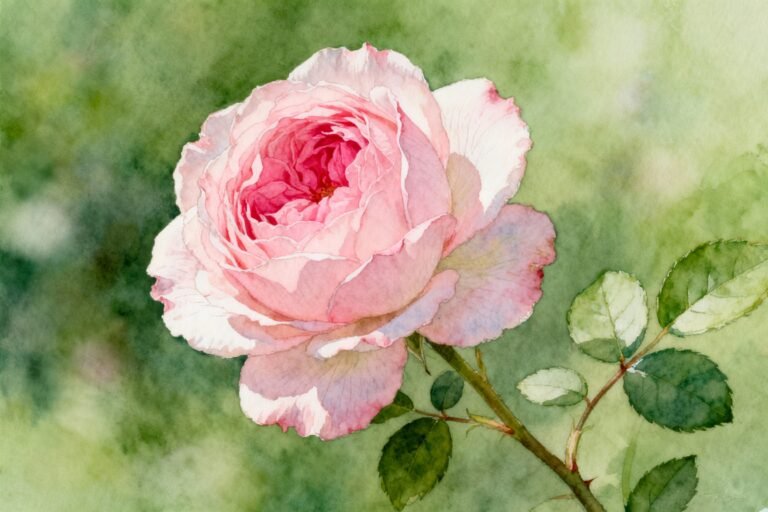
- Double: Multiple layers, lots of fluff. Examples: roses, peonies, and some dahlias. Extra drama, extra impact.
Spikes, Umbels, and Spikes-that-Look-Like-Brushes
- Spikes (tall wands): Delphiniums, salvias, lupines.
Add height and structure.
- Umbels (umbrella-like clusters): Queen Anne’s lace, yarrow, alliums. Great for airy texture.
- Globes: Alliums, gomphrena. Statement-makers with a modern vibe.
Cut Flower Royalty: Growers’ Favorites for Vases
If you love fresh bouquets without paying florist prices every week, plant these.
They last, they wow, and they don’t flop in a day.
- Roses: Classic for a reason. Choose disease-resistant varieties for less drama.
- Dahlias: Endless shapes and colors—from dinner-plate giants to neat little pompoms.
- Snapdragons: Long stems, great colors, and yes, you can make the “dragon mouth” open. Still fun.
- Sunflowers: Cheerful, easy, and surprisingly elegant in neutral tones.
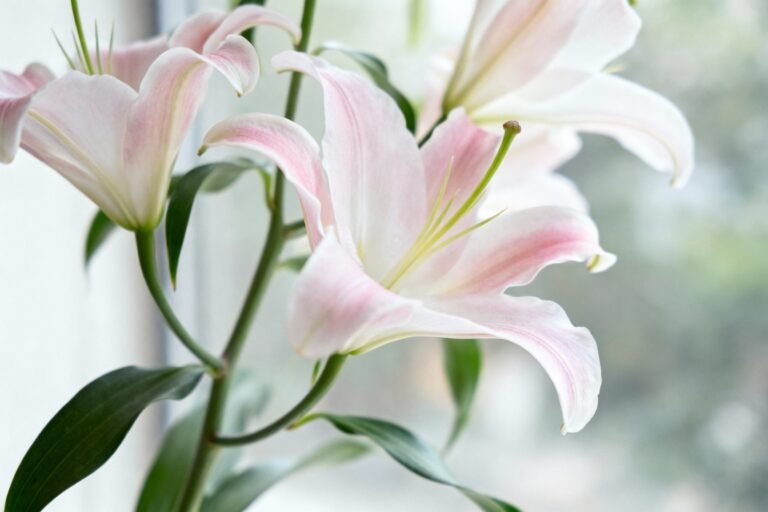
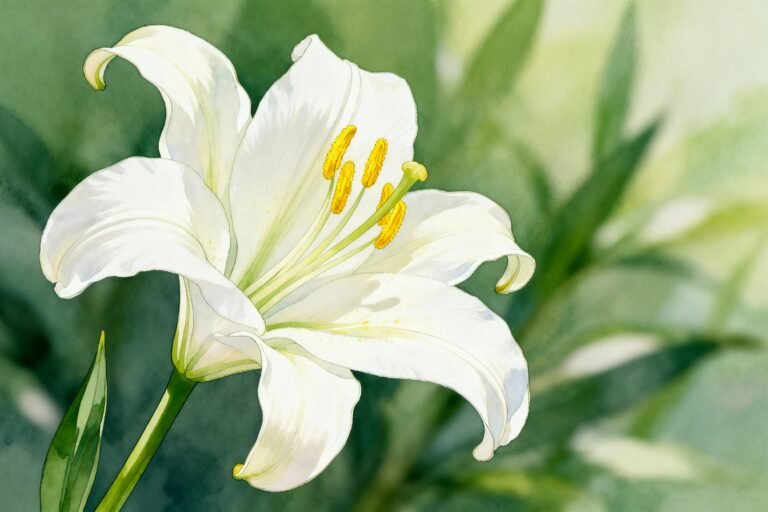
- Lilies: Fragrant showstoppers.
Remove pollen to avoid stains and extend vase life.
- Ranunculus: Paper-like petals, florist-chic. Cooler weather champs.
Pro Tips for Vase Success
- Harvest early: Cut in the cool morning when buds just start to open.
- Strip leaves below the waterline to prevent bacteria.
- Use clean tools: Sharp snips = longer-lasting blooms.
- Change water every 1–2 days. Add a tiny drop of bleach if you must.
Shade Lovers vs.
Sun Worshippers
Not all flowers want to bake in full sun. Some prefer dappled light, a cool drink, and a gentle breeze. Same, honestly.
Full Sun Champs
These need 6–8 hours of sun daily to thrive:
- Lavender: Fragrant and drought-tolerant.
Bees love it.
- Coreopsis: Golden, light, and carefree.
- Gaillardia: Heat-loving pinwheels of color.
Shade Sweethearts
Filtered light? These still shine:
- Astilbe: Feathery plumes in pinks, whites, and reds.
- Hosta flowers: Underrated lavender-white bells, especially fragrant types.
- Impatiens: Reliable, colorful carpet for deep shade.
FYI, “partial shade” means roughly 3–4 hours of sun, usually morning. Afternoon shade helps prevent crispy leaves.
Wildflowers and Native Beauties
Want low-maintenance color that supports bees and butterflies?
Go native when you can. Native flowers evolve with local wildlife, which makes them pollinator buffets and generally easier to maintain.
- Milkweed (Asclepias): Monarch magnets.
- Coneflowers (Echinacea): Long bloom period, great seedheads for birds.
- Bee Balm (Monarda): Hummingbirds freak out over these.
- California Poppy: Self-seeds and thrives on neglect. A mood.
How to Start a Wildflower Patch
- Prep matters: Clear weeds first (seriously, don’t skip this).
- Choose regional mixes: They match your climate and soil.
- Sow in fall or early spring: Rain and cool temps help germination.
- Mild neglect: Don’t overwater or overfertilize.
Let them tough it out.
Fragrance All-Stars
Some flowers look nice. Others make your garden smell like a perfumery. When in doubt, follow your nose.
- Gardenia: Creamy, rich scent.
A diva indoors or in warm climates.
- Jasmine: Night-blooming varieties scented like moonlight and good decisions.
- Sweet Peas: Candy-like fragrance on delicate vines.
- Stock: Old-fashioned clove scent, perfect for spring beds and bouquets.
Plant fragrant flowers near patios, doors, or open windows so you actually enjoy them. Revolutionary, I know.
Low-Maintenance Legends for Busy People
No time? No problem.
These forgive neglect and still pull their weight.
- Sedum: Succulent leaves, late-season blooms. Pollinators go wild.
- Yarrow: Heat- and drought-tolerant, with flat-topped clusters.
- Nasturtiums: Spicy edible flowers and leaves. Snackable garden, anyone?
- Catmint (Nepeta): Long bloom season, fuzzy gray leaves, zero drama.
- Geraniums (Pelargoniums): Containers, borders—easy wins everywhere.
Set-It-and-Forget-It Tips
- Mulch to lock in moisture and block weeds.
- Group by water needs so you don’t kill drought-lovers with kindness.
- Pick the right plant for your zone, soil, and sun.
Saves you heartache.
Color Play: Designing with Intent
Color can calm, energize, or make your neighbors ask for cuttings. Plan your palette like you plan an outfit.
- Monochrome beds: All one color in varied shades. Chic and soothing.
- Complementary combos: Opposites on the color wheel.
Purple and yellow? Electric.
- Pastel mixes: Soft pinks, blues, creams. Cottage-core elegance.
- Foliage contrast: Pair blooms with interesting leaves—silver, variegated, or deep burgundy.
IMO, repeat colors across the yard so it looks intentional, not like a flower confetti explosion.
FAQ
What’s the easiest flower for beginners to grow?
Start with zinnias, marigolds, or sunflowers.
They germinate fast, tolerate mistakes, and reward you with tons of color. Plant in full sun, water regularly, and you’ll feel like a gardening genius in no time.
How do I keep flowers blooming longer?
Deadhead spent blooms, feed lightly with a balanced fertilizer, and water deeply but less often. Cut flowers for bouquets, too—many plants, like cosmos and sweet peas, bloom more when you keep snipping.
Think of it as positive reinforcement.
Which flowers are best for pollinators?
Go for single blooms with visible centers: coneflowers, bee balm, salvia, lavender, and zinnias. Avoid overly doubled varieties that hide nectar and pollen. Plant in clusters so pollinators can feast efficiently.
Can I grow flowers in containers only?
Absolutely.
Choose compact or dwarf varieties, use quality potting mix, and pick pots with drainage holes. Water more often than garden beds and feed monthly. Container combos of thriller (tall), filler (bushy), and spiller (trailing) always look pro.
What flowers handle heat and drought?
Try lantana, gaillardia, portulaca, sedum, and black-eyed Susans.
These laugh at scorching afternoons, especially once established. Mulch and occasional deep watering will keep them happier.
When should I plant seeds vs. transplants?
Direct-sow quick growers like zinnias, sunflowers, and nasturtiums after frost. Buy transplants for slowpokes or finicky types like lavender and some perennials.
If you start seeds indoors, give them strong light and harden them off before planting outside.
Conclusion
Flowers don’t follow strict rules, and neither should you. Mix annuals and perennials, play with color and texture, and plant what makes you smile. Start small, learn as you go, and let your garden evolve—blooms, bees, and the occasional happy accident included.