Very Beautiful Flowers: Stunning Blooms to Brighten Any Space
Some flowers stop you in your tracks. They don’t ask; they demand your attention with color, shape, and scent that make your brain go, “Whoa.” You don’t need a botany degree to feel that—just eyes and maybe a nose. So let’s tour the bloomiverse together and gush about the showstoppers that consistently steal the spotlight.
What Makes a Flower “Very Beautiful,” Anyway?
Beauty in flowers isn’t just about bright petals.
It’s a mix of shape, color contrast, fragrance, and even how the bloom behaves through the day. Some flowers look like tiny fireworks; others flex like couture gowns. Here’s the usual magic combo:
- Color drama: Saturated hues or elegant gradients win big.
- Form and texture: Ruffles, symmetry, or bold geometry add flair.
- Fragrance: Not necessary, but when it’s there—chef’s kiss.
- Stage presence: Long stems, big petals, or clusters that command attention.
FYI: Context matters
A wildflower meadow feels stunning in a way a single orchid can’t. And vice versa.
IMO, beauty = flower + setting + moment.
The Icons: Flowers That Always Break Hearts
Some blooms have fan clubs. Honestly, they deserve them.
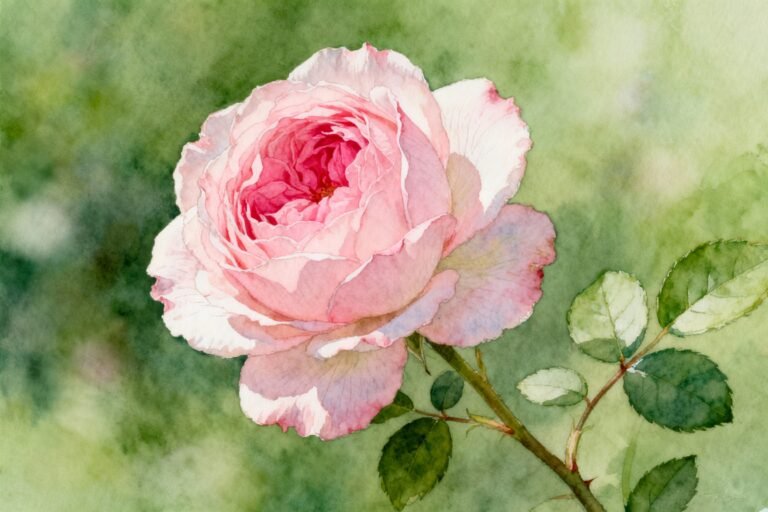
- Roses: Classic for a reason. Hybrid teas bring velvet petals and perfect spirals.Garden roses? More layers than a croissant and usually a stronger scent.
- Peonies: Big, fluffy, and dramatic. They open like they own the room.Short bloom season, long-lasting obsession.
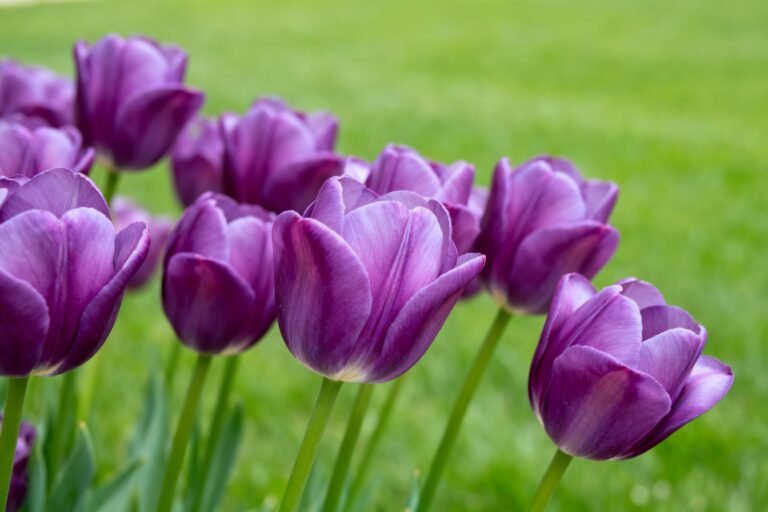
- Tulips: Clean lines and saturated colors. Parrot tulips add frilled edges that look like a Renaissance painting got bored of being polite.
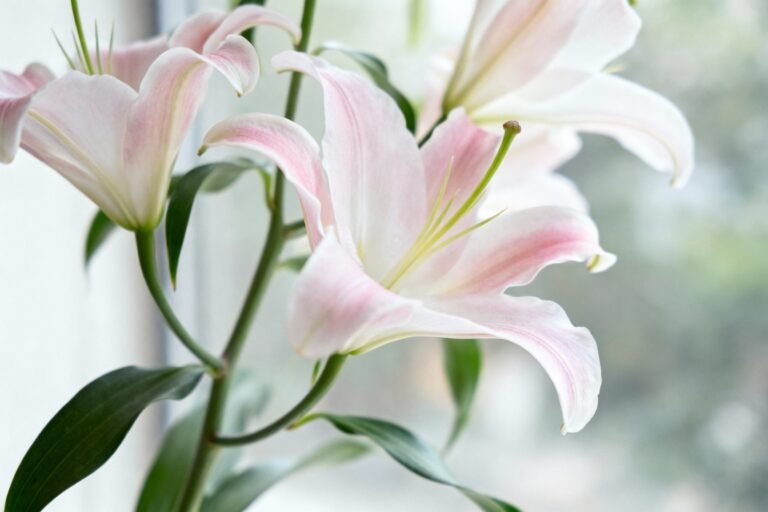
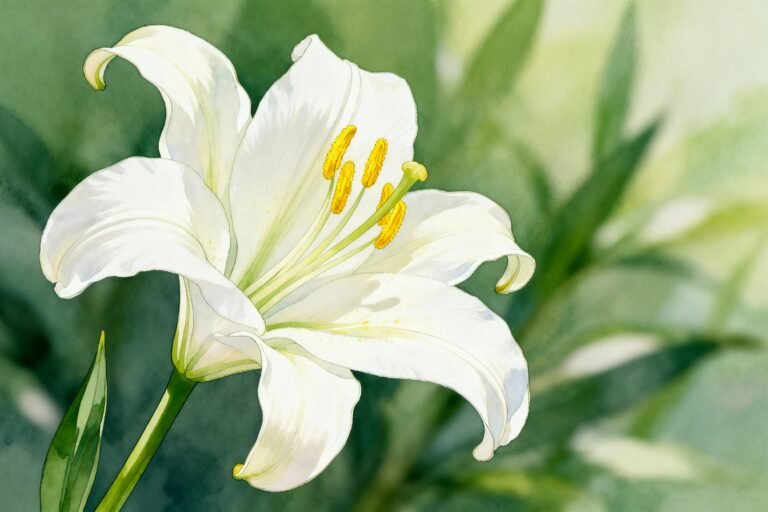
- Lilies: Stargazers smell heavenly and look like starbursts. Just watch the pollen—your shirt will not forgive you.
- Orchids: Exotic elegance.Phalaenopsis orchids bring sleek, minimalist beauty; cymbidiums go for bold glamour.
- Dahlias: From geometric pompons to dinner-plate divas. They’re basically the extroverts of the garden.
Underrated gems
Anemones with their dark centers look designer. Ranunculus pack endless petals into tight spheres. Sweet peas smell like nostalgia and old books (in the best way).
Color Stories That Slap (In a Gentle, Floral Way)
Color makes or breaks a vibe. You can go bold, soft, or cinematic depending on your mood.
- Monochrome (all one color): Ultra chic.Think white peonies, white roses, white lilacs—instant luxury.
- Complementary (opposites on the color wheel): Purple irises with yellow tulips look electric without feeling chaotic.
- Analogous (neighbors on the wheel): Coral ranunculus, peach roses, and apricot snapdragons give glowing sunset energy.
- Moody jewel tones: Burgundy dahlias, plum calla lilies, deep blue delphiniums—like a velvet opera cloak for your table.
Quick color cheat codes
- White + green always looks refined.
- Pink + red works if you vary shades and textures.
- Blue flowers are rarer; add them for instant intrigue.
Fragrance: The Invisible Show
Looks aren’t everything. Some flowers smell so good they practically narrate your day.
- Garden roses & old roses: Tea, citrus, or raspberry notes. Ridiculously romantic.
- Jasmine: Night-blooming, intoxicating, a little wild.Don’t overdo it indoors.
- Lilac: Spring in a single breath. Nostalgia unlocked.
- Tuberose: Creamy, heady, dramatic. Like perfume in flower form.
- Sweet peas: Delicate yet happy.If joy had a scent, this would be it.
When fragrance backfires
Strong scents in small rooms can overwhelm. Mix in neutral fillers like eucalyptus or filler greens to keep balance. IMO, go big with fragrance outdoors and keep it gentler inside.
Shape and Texture: Flowers as Sculpture
If color grabs you first, shape holds you there.
Smooth petals feel serene, while ruffles feel opulent. Spiky forms add energy. Mix these textures for instant “wow”:
- Fluffy focal blooms: Peonies, garden roses, dahlias.
- Linear accents: Delphinium, larkspur, snapdragons.
- Airy fillers: Waxflower, baby’s breath, astilbe.
- Architectural greens: Monstera, aspidistra, fern fronds.
Rule of three (ish)
Pick one star bloom, one supporting player, and one textural accent. That’s your recipe.
Break the rule if you must—flowers forgive.
Landscapes That Make Flowers Shine
A single rose looks great, but a rose framed by the right setting looks legendary.
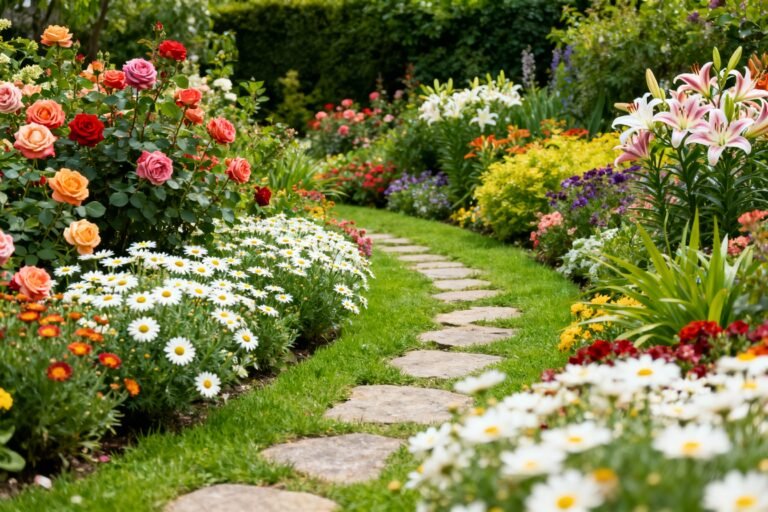
- Cottage chaos: Layer foxgloves, roses, alliums, and catmint. It’s messy-on-purpose and gorgeous.
- Minimalist zen: One sculptural orchid, a stem of lily, and lots of negative space.
- Wild meadow: Cornflowers, poppies, daisies, and grasses. The “I woke up like this” of gardening.
- Tropical luxe: Hibiscus, bird of paradise, heliconia, and big-leaf greens for vacation vibes at home.
Container magic
Use vases that match the mood. Clear glass feels airy, ceramic looks artisanal, and metal reads dramatic.
Trim stems at an angle and remove lower leaves to keep water clean. Your flowers will thank you. Probably.
Caring for Showstopper Blooms
Yes, beautiful flowers can be divas.
Give them a little pampering, and they’ll perform.
- Hydrate fast: Get stems into water right after cutting.
- Snip stems every 2–3 days: Fresh cut, fresh drink.
- Change water often: Cloudy water equals sad flowers.
- Keep them cool: Avoid direct sun, drafts, and heat sources.
- Use flower food: It’s not snake oil; it helps.
Special cases
- Roses: Remove guard petals and recut stems under water to prevent air bubbles.
- Tulips: They keep growing in the vase. Embrace the curve—it’s part of their charm.
- Hydrangeas: If they wilt, submerge heads in cool water for 20–30 minutes. Yes, really.
Seasonal Beauty: When to Catch Each Bloom at Its Peak
Timing matters.
You’ll get the best fragrance, form, and color when flowers are in season.
- Spring: Tulips, ranunculus, anemones, lilacs, peonies (late spring). Fresh, vibrant, euphoric.
- Summer: Roses, dahlias, lilies, sweet peas, zinnias. Abundance with attitude.
- Autumn: Dahlias peak, plus chrysanthemums and grasses.Moody palettes shine.
- Winter: Amaryllis, paperwhites, hellebores, camellias. Understated but elegant.
Grower’s tip
If you plant, choose varieties bred for cut flowers—longer stems and better vase life. FYI, local growers often carry the good stuff you won’t see at big box stores.
FAQ
What are the most beautiful flowers for beginners to grow?
Dahlias (from tubers) and zinnias (from seed) bring huge color payoffs with minimal drama.
Marigolds and cosmos also deliver big visual impact and forgive a few watering mistakes. If you want instant elegance, plant a climbing rose like ‘Eden’ or ‘New Dawn’ and let it do its romantic thing.
Which flowers last longest in a vase?
Chrysanthemums, alstroemeria, carnations, and orchids can push two weeks with good care. Ranunculus and roses can last a week or more if you keep water clean and trim stems.
Pro tip: keep arrangements away from ripening fruit, which emits ethylene gas and shortens vase life.
What’s a budget-friendly way to make an arrangement look luxurious?
Use fewer large focal blooms and surround them with textural fillers and greens. Think 3 roses + eucalyptus + waxflower instead of 12 roses. Add depth by staggering heights and let a few stems drape over the edge for that “florist who?” finish.
Are blue roses real?
Short answer: not naturally.
Some roses get dyed or genetically modified to lean bluish, but true blue pigment doesn’t occur in roses. If you want actual blue, go for delphinium, cornflower, or hydrangea (in the right soil).
Which flowers smell the best without overwhelming a room?
Sweet peas, freesia, and garden roses offer elegant fragrance that stays gentle. If you want just a whisper, add herbs like mint or rosemary to your bouquet.
They bring freshness without turning your living room into a perfume counter.
What flowers should I avoid if I have pets?
Lilies (especially for cats) are a hard no—extremely toxic. Also be careful with tulips, daffodils, and foxglove. Check toxicity lists before you buy, and consider safe beauties like roses, sunflowers, and orchids (phals).
Conclusion
Very beautiful flowers don’t follow one rule.
Some flaunt outrageous color; others whisper elegance with perfect symmetry or scent that melts stress on contact. Mix textures, play with color stories, and choose seasonal stars for maximum impact. IMO, the best floral beauty happens when you trust your eyes, have a little fun, and let the blooms do what they do best—steal the show.