Lavender Flowers: Meaning, Benefits, and Stunning Uses
Lavender doesn’t try hard, and that’s its power move. One whiff and your brain goes, “Ahhh, I can breathe again.” These purple spikes look chic in a vase, thrive in sad soil, and somehow end up in both soap and dessert. If plants had a cool-kid table, lavender would host it and still leave early for a nap.
Meet Lavender: The Low-Maintenance Overachiever
Lavender belongs to the genus Lavandula, a family of sun-loving, drought-happy herbs.
You’ll find dozens of species, but a few celebrities dominate the scene: English lavender (Lavandula angustifolia), French lavender (Lavandula dentata), and Lavandin (Lavandula x intermedia). Each brings a distinct look and scent profile, so you can pick your mood. Why does everyone rave about it?
Because it’s beautiful, aromatic, and useful. Also because it doesn’t throw tantrums over poor soil. Honestly, it’s the plant version of that friend who shows up late but still looks flawless.
Types of Lavender You’ll Actually Use
Let’s keep it simple.
Here are the MVPs:
- English Lavender (L. angustifolia): Classic scent, compact shape, cold-hardy. Great for culinary use and essential oils.
- Lavandin (L. x intermedia): Taller, fuller, and more fragrant, but slightly sharper aroma. Ideal for sachets and dried arrangements.
- French Lavender (L. dentata): Frilly petals, softer scent, not as cold-hardy.
A total vibe in warm climates.
- Spanish Lavender (L. stoechas): Those “bunny ear” bracts? Adorable. Strong scent, thrives in heat.
Which one’s best?
If you want reliable bloom and winter survival, go English.
If you want height and drama, choose Lavandin. For warmer zones and cuteness overload, Spanish or French works. IMO, start with English lavender and add the fancy ones later.
Growing Lavender Without the Tears
You don’t need a green thumb.
You just need sun and restraint with the watering can. Do these things and you’ll feel like a plant wizard:
- Sun: Give lavender 6–8 hours of direct light. Shade = fewer blooms and more sulking.
- Soil: Fast-draining, slightly alkaline soil.
Sandy or gravelly works great. Clay? Improve it or use raised beds.
- Water: Deep watering at planting, then let it dry out between sessions.
Overwatering = root rot. Root rot = heartbreak.
- Spacing: Airflow matters. Space plants 18–36 inches apart depending on variety.
- Fertilizer: Keep it minimal.
Too much nitrogen = floppy, leafy, meh plants.
Container lavender: Yes, please
Use a large pot with drainage holes, a gritty mix (potting soil + perlite + sand), and water when the top couple inches feel dry. Containers dry out faster, so check more often, FYI. Overwinter in a sheltered spot if you get harsh freezes.
Pruning without panic
Prune after flowering to keep plants compact.
Cut back by about one-third, but never into old woody stems with no green growth. Spring tidy-up, summer shape-up, that’s the routine.
Harvesting and Drying: The Good Stuff
Timing matters. Harvest when about one-third to half the buds open.
That’s peak aroma and color. Snip stems early in the day after the dew dries for the freshest oils. To dry:
- Bundle small bunches with twine.
- Hang upside down in a dark, dry, breezy spot.
- Wait 1–2 weeks, then store in airtight jars away from light.
Now you’ve got lavender ready for crafts, teas, sachets, and DIY gifts that actually look intentional.
Fresh vs. dried
Fresh boasts a softer, greener scent—great in bouquets and simple syrups.
Dried concentrates the aroma and flavor, which works better for closet sachets and long-term storage. Both earn their keep.
Lavender in the Kitchen (Yes, You Can Eat It)
Not all lavender belongs in your cookies. Choose culinary-grade English lavender for cooking.
It tastes floral with a hint of mint and rosemary. Use a light hand unless you enjoy “soapy” flavors. You don’t.
Trust me. Ideas to try:
- Lavender sugar: Pulse dried buds with granulated sugar. Use in shortbread or lemonade.
- Lavender honey butter: Soften butter, stir in honey and a pinch of ground lavender.
Slather on scones. Live a little.
- Lemon-lavender syrup: Simmer equal parts sugar and water with lemon zest and lavender. Strain.
Add to tea, spritzers, or cocktails.
- Lavender salt: Mix with flaky sea salt for roasted veggies or grilled fish.
How much is too much?
Start tiny: 1/2 teaspoon dried buds for a batch of cookies, then adjust. You can always add more. You can’t un-lavender a cake.
IMO, pair it with citrus to keep the flavor bright and balanced.
Calm Vibes: Aromatherapy and Everyday Uses
Lavender wears many hats, and somehow they all fit. People reach for lavender to relax, sleep better, and soften stressy edges. The scent feels like a deep exhale after doom-scrolling.
Is it magic? No. Is it helpful?
Often, yes. Everyday ideas:
- Bedtime spray: A few drops of lavender essential oil in water with a splash of witch hazel. Mist pillows.
Dream nice things.
- Bath soak: Epsom salts + dried buds + a drop of oil. Spa vibes, minus the spa price.
- Drawer sachets: Dried lavender in fabric pouches. Smells lovely and helps discourage moths.
Essential oil basics
Use pure essential oil, not “fragrance oil.” Dilute it before it touches skin—about 1–2% in a carrier oil.
A little goes a long way. If you’re pregnant, nursing, or have sensitive skin, consult a pro first. Safety first, scent second.
Designing With Lavender: Garden and Home
Lavender pulls serious aesthetic weight.
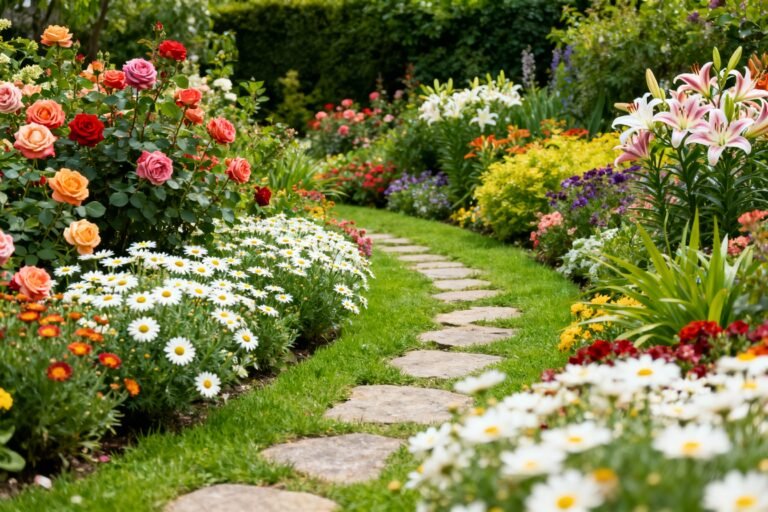
It turns pathways into perfumed runways and pairs beautifully with silvery foliage and warm-toned stones. Want that Mediterranean, timeless look? Lavender plus gravel plus terracotta.
Done. Planting combos:
- With rosemary and thyme: The drought-tolerant dream team.
- With roses: Softens the formality and invites pollinators.
- With ornamental grasses: Adds movement and contrast.
Indoors, a few sprigs in a bud vase looks elegant, not fussy. Dried wreaths last ages and smell faintly amazing every time you walk by.
Minimal effort, maximum charm—lavender’s whole brand.
Common Problems (And How to Not Freak Out)
Lavender rarely melts down, but when it does, it’s usually water-related. Root rot leads the villain list. If leaves yellow and the base looks mushy, cut watering and improve drainage.
You can’t negotiate with soggy roots. Other hiccups:
- Leggy growth: You need more sun or regular pruning. Or both.
- Winter kill: Mulch with gravel, not bark, and avoid wet feet in cold months.
Choose hardy varieties in chilly zones.
- Pests: Aphids and spittlebugs show up sometimes. Blast with water or use insecticidal soap. It’s manageable.
Reviving old, woody lavender
Lavender gets woody with age.
Prune lightly and regularly to keep fresh growth. If a plant becomes a twig monster with a green toupee, take cuttings in spring and start anew. It’s not you, it’s plant time.
FAQ
Can I grow lavender indoors year-round?
You can, but it’s tricky.
Lavender needs strong light and great airflow. A sunny south window may work, but a grow light performs better. Keep the soil on the dry side and rotate the pot for even growth.
How often should I water lavender?
Water deeply but infrequently.
Let the top few inches dry out before watering again. In heat waves, containers may need water every few days; in the ground, once a week or less usually does it. Overwatering causes most issues, FYI.
Is lavender safe for pets?
In small amounts, dried lavender around the house usually doesn’t cause drama, but the essential oil can irritate pets and people.
Keep oils out of reach and skip heavy diffusing around cats. When in doubt, ask your vet.
When should I prune lavender?
Prune after the main flush of blooms to shape the plant and encourage a second round. Do a light cleanup in early spring to remove dead tips.
Avoid cutting into old, leafless wood.
Which lavender smells the strongest?
Lavandin varieties often deliver the most potent scent, especially for dried bundles and sachets. For a sweeter, softer aroma, English lavender wins. Pick your vibe and plant accordingly.
Can I start lavender from seed?
Yes, but it takes patience.
Seeds germinate slowly and prefer a cool stratification period. Many gardeners start with nursery plants or cuttings because it’s faster and more predictable, IMO.
Conclusion
Lavender shows up stylish, smells incredible, and doesn’t demand constant attention. Give it sun, drainage, and the occasional haircut, and it will return the favor with color, fragrance, and calm.
Plant a little now, and your future self will wonder why you waited so long—then go make lavender lemonade about it.