How to Create Your Perfect Dream Garden: Tips and Inspiration
Imagine stepping outside and feeling your shoulders drop because the air smells like basil and the path crunches underfoot. That’s a dream garden—not a perfect magazine spread, but a personal sanctuary that actually fits your life. You don’t need acres, a trust fund, or mystical green thumbs.
You just need a plan, a vibe, and a few plants that won’t ghost you after the first heatwave.
Define Your “Dream” (Before You Buy a Single Plant)
You can’t build your dream garden if you don’t know what you want from it. Cozy morning coffee spot? Kid-friendly jungle?
Herb-driven patio for summer pizzas? Pick a theme and stick to it for at least a season. Ask yourself:
- How much time do I realistically want to spend maintaining this?
- Do I want flowers, food, or both?
- What’s my climate and how much sun do I have?
- What’s the budget, and where do I want to splurge?
Two-Word Garden Goals
Try this trick: choose two words to guide decisions—like “relaxed edible” or “low-water color.” Use them to filter every purchase and idea. If it doesn’t fit your two words, skip it.
FYI, this saves a stunning amount of money and heartbreak.
Design Like a Pro (Without the Drama)
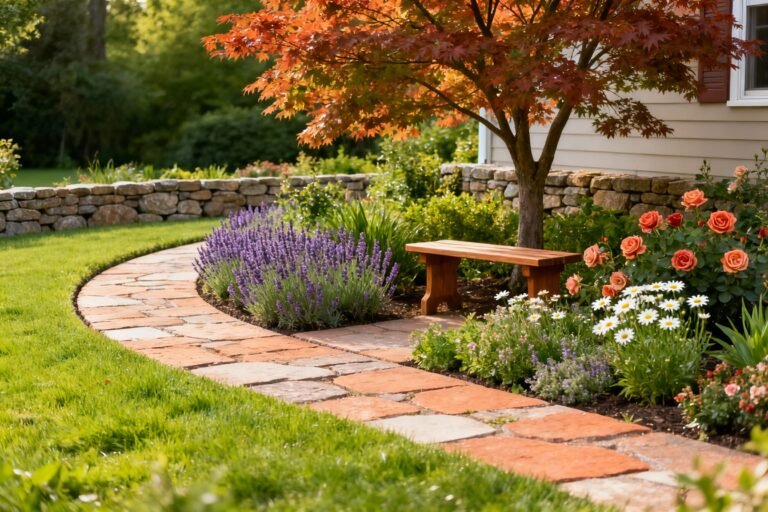
Let’s talk bones—the permanent stuff that makes a garden look intentional even in winter. That means paths, seating, and structure. Plants are the jewelry; structure is the outfit. Start with these pieces:
- Paths: Crushed gravel or mulch beats stepping through mud.
Curves feel relaxed; straight lines feel modern. Either can look gorgeous.
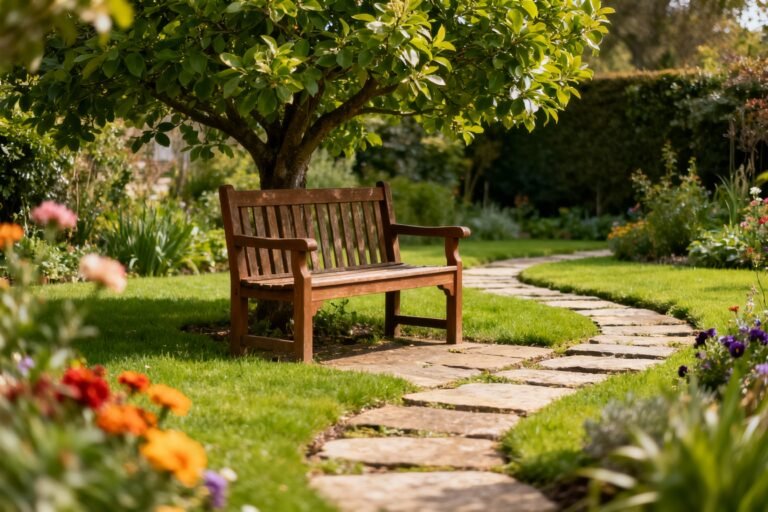
- Seating: One spot for sun, one for shade. A bench, a bistro table, even a hammock.
If you won’t sit in your garden, what’s the point?
- Verticals: Trellises, arches, or simple posts with wire for vines. They add height and drama without hogging space.
- Containers: Instant flexibility. Group pots in odd numbers and vary height.
Done.
Layering 101
Think in tiers:
- Back row: Tall shrubs or ornamental grasses (think 4–6 feet).
- Middle row: Bushy perennials and annuals for color.
- Front row: Low growers or groundcovers to soften edges.
Repeat a few plant types across the space for rhythm. Randomness looks messy; repetition looks intentional. IMO, two to three “heroes” repeated beats 10 one-offs any day.
Plant Choices That Work Hard (And Don’t Need Therapy)
You want plants that thrive, not plants that give you ultimatums.
Choose natives or well-adapted species for your climate. No plant should require daily pep talks to survive. Reliable MVPs by vibe:
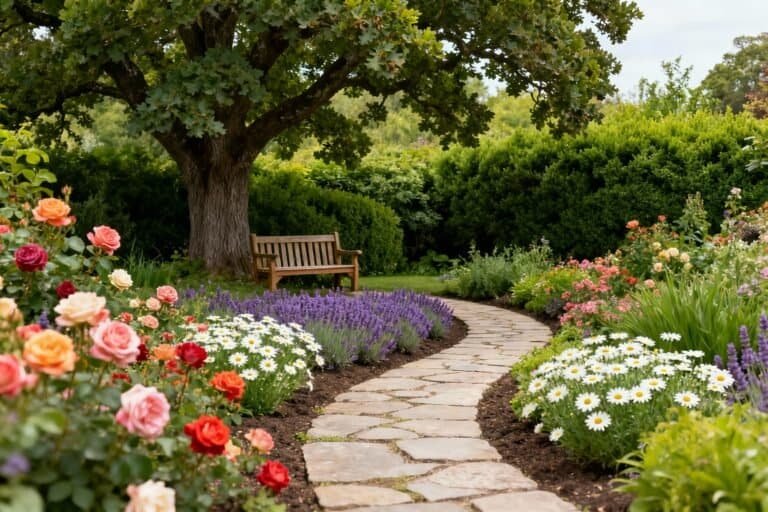
- Chill, low-water: Lavender, rosemary, salvia, yarrow, sedum, ornamental grasses like feather reed grass.
- Cottage-core color: Coneflower, black-eyed Susan, phlox, catmint, daisies, snapdragons.
- Tropical drama: Cannas, colocasia, bananas (ornamental), hibiscus, coleus (in shade).
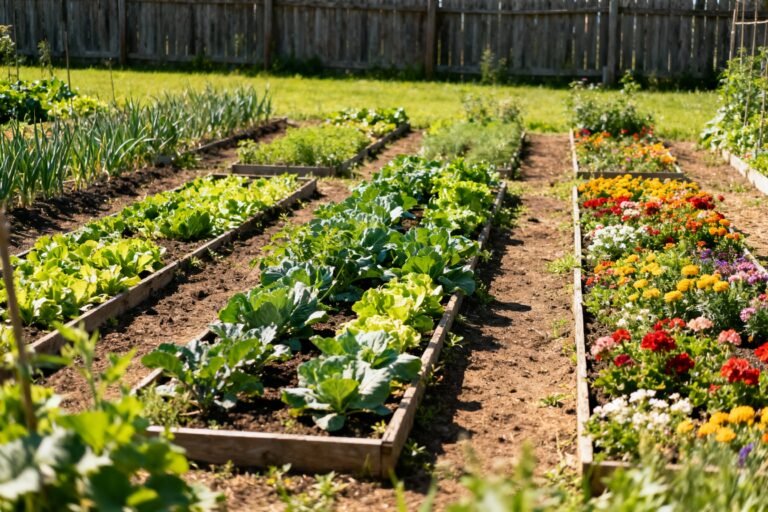
- Edible & pretty: Kale, rainbow chard, strawberries, nasturtiums, dwarf tomatoes, basil, thyme.
Plants That Do Double Duty
Pick plants with two jobs:
- Herbs: Fragrant, edible, and pollinator-friendly.
- Grasses: Movement in the breeze and winter interest.
- Perennials with seed heads: Food for birds and structure after frost.
One plant, multiple wins. That’s dream garden energy.
Soil, Water, Sun: The Boring Stuff That Makes It All Work
Yes, it’s not glamorous.
But if you get this right, everything else becomes easier. Like… a lot easier. Soil:
- Do a quick squeeze test: grab a handful of moist soil. If it crumbles, good.
If it sticks like clay, add compost. If it falls apart like sand, add compost. See a pattern?
- Mulch 2–3 inches deep to keep moisture in and weeds out.
Keep it away from trunks and stems.
Water:
- Deep and infrequent beats shallow and daily.
- Use a soaker hose or drip line for sanity and savings.
- Morning watering reduces disease. Your plants prefer breakfast too.
Sun:
- Full sun = 6+ hours. Part sun/shade = 3–5 hours.
Shade = under 3 hours.
- Watch your yard for a day. Take notes. Guessing leads to crispy lettuce and sulky roses.
Small Space, Big Magic
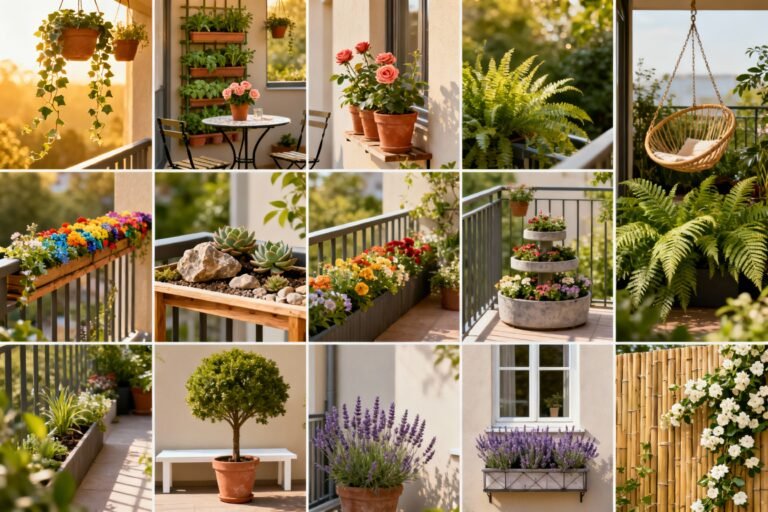
Even a balcony can host a dream garden.
Use:
- Rail planters: Herbs and strawberries thrive here.
- Vertical wall grids: Hang pots for trailing thyme or petunias.
- Rolling containers: Chase the sun. Or the shade. Your call.
The Vibe: Scent, Sound, and Tiny Luxuries
Great gardens feel good because they hit your senses.
Not just your eyes. Try these micro-upgrades:
- Scent: Plant jasmine near a doorway, lavender along a path, mint in a pot. (Contain mint or it will move in permanently.)
- Sound: Add a small fountain or hang wind chimes you actually like. Rustling grasses also do the trick.
- Light: Solar fairy lights, candles in lanterns, or a low-voltage system for evening magic.
- Texture: Mix shiny leaves with fuzzy ones, spiky with billowy. Contrast = interest.
Color Without Chaos
Pick a palette of three: one base color, one accent, one neutral green.
Repeat them. Want drama? Go monochrome—different shades of purple or white look polished fast.
FYI, foliage color lasts longer than flowers, so lean on leaves.
Plant It Right: A Simple Step-by-Step
This is where many gardens rise or fall. Don’t overthink it. Do the basics well.
- Stage plants in their pots. Move them around until the layout feels balanced.
- Dig wider, not deeper. Holes should be twice as wide as the pot, same depth.
Roots hate cramped apartments.
- Loosen roots. Tease out circling roots so they expand into the soil.
- Backfill with native soil + compost. Skip fancy mixes in the hole. You want roots to explore.
- Water in thoroughly. This settles soil and removes air pockets.
- Mulch. Leave a donut of space around stems. No mulch volcanoes, please.
Easy Maintenance Rhythm
Set a weekly 20-minute routine:
- Check moisture with your finger.
Water if dry 2 inches down.
- Snip spent flowers for more blooms.
- Pull small weeds before they bulk up.
- Scan for pests; blast aphids with water or use insecticidal soap.
That’s it. No drama, just steady wins.
Wildlife, But Make It Charming
You can invite the good neighbors: bees, butterflies, and birds. They bring life and help your garden thrive. How to roll out the welcome mat:
- Plant nectar sources for spring through fall—salvia, asters, milkweed, zinnias.
- Add a shallow birdbath with stones for perching.
- Leave a small “messy corner” with leaves or brush for beneficial insects.
- Avoid broad-spectrum pesticides.
They nuke the helpers along with the pests.
Pest Control That Doesn’t Backfire
Start gentle:
- Hand-pick caterpillars if they overwhelm a plant.
- Use row covers on veggie beds early.
- Encourage predators: ladybugs love aphids, birds handle caterpillars.
Only escalate when necessary. IMO, most mini-invasions fade if plants stay healthy.
FAQs
How do I start a dream garden on a tight budget?
Focus on structure first: paths, mulch, and one seating area. Buy fewer, larger plants instead of many tiny ones; they establish faster and look finished sooner.
Share cuttings with friends, start annuals from seed, and check end-of-season sales for perennials and shrubs.
What if my yard gets mostly shade?
Shade gardens can stun. Use hostas, ferns, heucheras, and astilbe for texture. Add pops of brightness with white flowers, variegated leaves, and reflective elements like a light gravel path or a pale bench.
Aim for lush, not floral fireworks.
How do I keep a garden alive during heatwaves?
Mulch deeply, water early in the morning, and prioritize deep soaks every few days. Group containers so they shade each other, and move pots to afternoon shade if possible. Consider shade cloth during extreme stretches; plants appreciate a little SPF too.
Can I mix edibles with ornamentals without it looking messy?
Absolutely.
Tuck herbs at the front of borders and cluster veggies in matching containers. Use structural plants—grasses, boxwood, or rosemary hedges—to frame the space. Repetition keeps it tidy even if the tomatoes go feral in August.
How long until my garden looks “grown in”?
Most gardens hit their stride in year two.
Year one establishes roots and shape. By year three, plants knit together, weeds decrease, and you can edit confidently. Patience pays—like compound interest, but prettier.
Do I need fertilizer if I use compost?
Often, compost and mulch handle most needs.
Heavy feeders like roses or tomatoes may want a slow-release organic fertilizer in spring. Test and adjust rather than dumping nutrients blindly—overfeeding can backfire.
Conclusion
Your dream garden doesn’t need to win prizes or behave perfectly. It just needs to serve your life—offer a shady chair, a handful of basil, a little breeze in the grasses.
Start with a vibe and a plan, choose plants that pull their weight, and tweak as you go. In a year, you’ll wonder how you ever relaxed without this little patch of magic outside your door.