Front Yard Garden Design Ideas to Boost Your Home’s Curb Appeal
Your front yard introduces you before you even open the door. It signals personality, style, and whether you can keep a plant alive longer than a week. You don’t need a mansion or a botanical degree to make it shine.
You just need a plan, a few bold choices, and plants that won’t ghost you after the first heat wave.
Start with the Big Picture: What Story Do You Want to Tell?
Before you buy a single plant, decide what vibe you want. Cottage charm? Clean modern lines?
Low-water desert chic? When you pick a style, everything else snaps into place faster. Ask yourself:
- How do you use the space? Do you hang out on the porch, need a dog path, or want a tiny café table?
- What’s your maintenance tolerance? Be honest.
If you hate pruning, skip fussy hedges.
- What’s your climate and sun exposure? Full sun all day calls for tough plants. Deep shade needs different heroes entirely.
Design Anchors: The Rule of Three
Use three core elements to anchor your design:
- One statement tree/shrub near the corner or entry to draw the eye.
- A clear path that feels intentional (no awkward zigzags).
- Repetition of 2–3 plant varieties across the yard for cohesion.
Keep it simple. More variety = more chaos.
Less variety = calm, curated look.
Entry Path Magic: Form Meets Function
Your walkway sets the tone. Treat it like a runway for guests and delivery drivers who will inevitably judge your mulch choices. Path ideas that work:
- Wide and welcoming: Aim for 3.5–4 feet so two people can walk side by side.
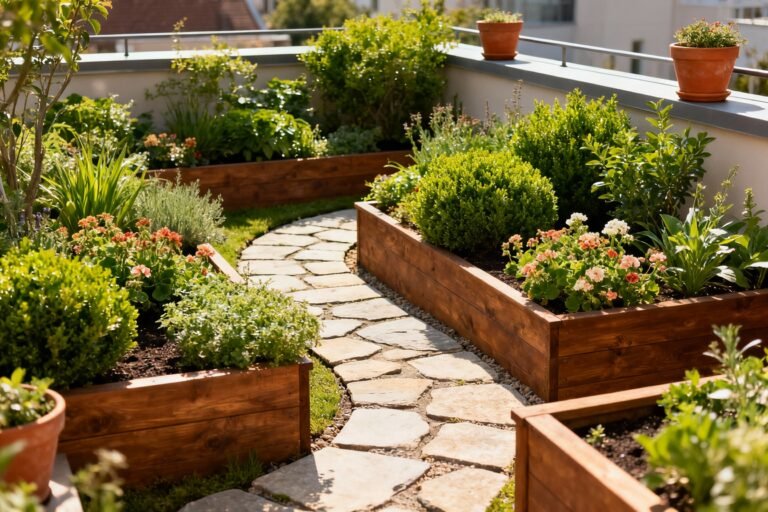
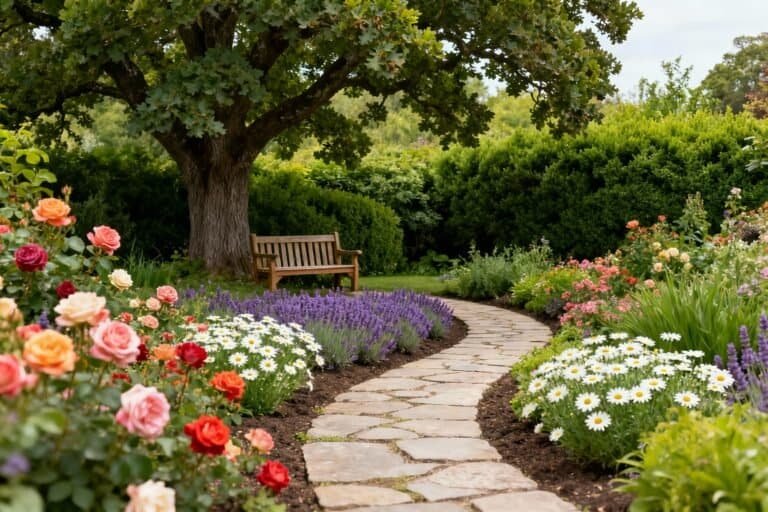
- Subtle curves: Gentle arcs soften the look and make small yards feel bigger.
- Material mix: Pair concrete with brick edging, or decomposed granite with steel borders. It looks custom without a custom price tag.
Planting Along the Path
Keep taller plants (3–4 ft) a few feet back and use low growers along the edge.
No one wants to battle a rosemary hedge to reach your door.
- Edge plants: Lamb’s ear, thyme, mondo grass, or dwarf boxwood.
- Mid-height: Lavender, salvia, spirea, dwarf grasses.
- Accent height: Upright junipers, hydrangeas, or ornamental trees like Japanese maple.
Plant Like a Pro: Layers, Color, and Texture
Great front yards succeed because they layer plants intentionally. Think back row, middle, front—like a band with backup singers. Layering basics:
- Back row (structure): Evergreens or architectural shrubs hold shape year-round.
- Middle (seasonal interest): Flowering perennials and small shrubs provide color pops.
- Front (groundcover): Low plants or groundcovers tie everything together and fight weeds.
Color strategy:
- Pick a palette: Cool tones (purples, blues, whites) feel calm. Warm tones (reds, oranges, yellows) bring energy.
- Repeat colors: Use the same color in multiple spots to create flow.
- Match the house: Pull a color from the trim or door for planters and flowers.
Instant cohesion.
Texture and Shape Matter (A Lot)
Mix fine and bold textures. Pair feathery grasses with glossy-leafed shrubs. Combine round mounds with upright spikes.
Contrast = visual interest without chaos. IMO, a spiky yucca next to soft sedge is a chef’s kiss moment.
Low-Maintenance Doesn’t Mean Boring
You can have a stunning front yard without living at the nursery every weekend. Choose plants that fit your climate and soil, and you’ll win by default. Low-effort plant champs (adjust for zone):
- Sunny and dry: Lavender, rosemary, salvia, agave, coneflower, Russian sage, yarrow.
- Part shade: Heuchera, astilbe, hellebore, hydrangea (panicle types are tough), carex.
- Full shade: Ferns, hosta, liriope, azalea (check acidity), mahonia.
Pro tips to keep it easy:
- Mulch 2–3 inches to keep weeds down and moisture in.
- Group plants by water needs so you don’t drown the succulents while rescuing the hydrangeas.
- Pick fewer varieties and plant in drifts of 3–7 for a designer look.
Native Plants = Lazy Garden Win
Native or regionally adapted plants thrive with less fuss.
They feed local pollinators, resist local pests, and handle the weather tantrums. FYI, your future self who hates hand-watering will thank you.
Curb Appeal on a Budget
You don’t need to gut your yard to get results. Tackle high-impact areas first and upgrade slowly. Instant upgrades:
- Paint the front door a bold color.
Then echo it in a pot or two.
- Add two large planters at the entry. Big pots look purposeful and luxe.
- Edge your beds with steel, brick, or clean-cut lines. Crisp edges = pro finish.
- Swap old house numbers and lights for modern fixtures that match your style.
Budget planting hacks:
- Buy small, plant in groups, and let them grow together.
- Divide perennials in spring/fall to multiply your stock.
- Mix evergreen bones with seasonal color so it looks good year-round.
Small Front Yard?
Go Bold, Not Busy
Tiny spaces love confident choices. Skip the mini-everything approach. Design moves that work in small areas:
- One statement tree like a dwarf olive, Japanese maple, or crepe myrtle.
- Fewer, larger beds instead of lots of little islands.
- Vertical elements like trellises, wall planters, or tall grasses to draw the eye up.
- Consistent materials across pots, borders, and path for a cohesive look.
Container-Forward Design
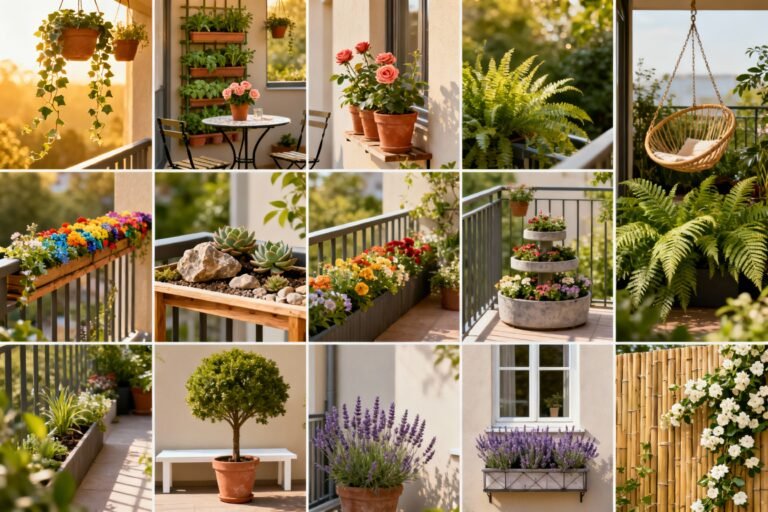
Containers shine in front yards with poor soil or limited space. Use three sizes, repeat the pot style, and vary the plants.
- Thriller: Upright focal plant (spiral juniper, grass, cordyline).
- Filler: Medium mounding plant (geranium, coleus, heuchera).
- Spiller: Trailing plant (sweet potato vine, ivy, creeping Jenny).
Lighting That Makes Neighbors Jealous (In a Nice Way)
You did all this work—don’t let it disappear at night.
Lighting lifts your curb appeal and boosts safety. Lighting basics:
- Path lights spaced about 6–8 feet apart (no runway effect, please).
- Uplights on a specimen tree or your house façade for drama.
- Warm LEDs (2700–3000K) to keep things cozy, not hospital chic.
- Solar options if wiring sounds scary. Just buy quality so they actually, you know, light up.
Seasonal Strategy: Make It Look Good Year-Round
Plan for each season so your front yard never slumps. Build a four-season roster:
- Spring: Bulbs (tulips, daffodils), flowering shrubs (forsythia, azalea).
- Summer: Long-bloomers (salvia, daylilies, black-eyed Susan), annuals for pop.
- Fall: Ornamental grasses, asters, mums, foliage color.
- Winter: Evergreens, red-twig dogwood, hellebores, interesting bark.
Rotate seasonal containers near the entry. It’s the easiest way to keep things fresh for holidays without turning your yard into a theme park.
FAQ
How do I pick the right front yard tree?
Choose a tree that fits your space at maturity.
Look for non-invasive roots, tidy habits, and four-season interest. Great picks include Japanese maple, serviceberry, crepe myrtle, or dwarf magnolia. Avoid giants unless you own a tractor and a time machine.
What’s the best low-maintenance groundcover?
Go with creeping thyme, sedum, dwarf mondo grass, or vinca in the right conditions.
They suppress weeds, need little water once established, and look tidy. FYI, pick based on sun/shade first—wrong light equals sad plants, period.
How do I design around a sloped front yard?
Use terraces or wide, shallow steps to manage grade changes. Add retaining edges (stone or steel), choose deep-rooted plants to prevent erosion, and run the path diagonally for comfort.
Bonus: slopes look dramatic with layered plantings and lighting.
Can I mix edibles into my front yard?
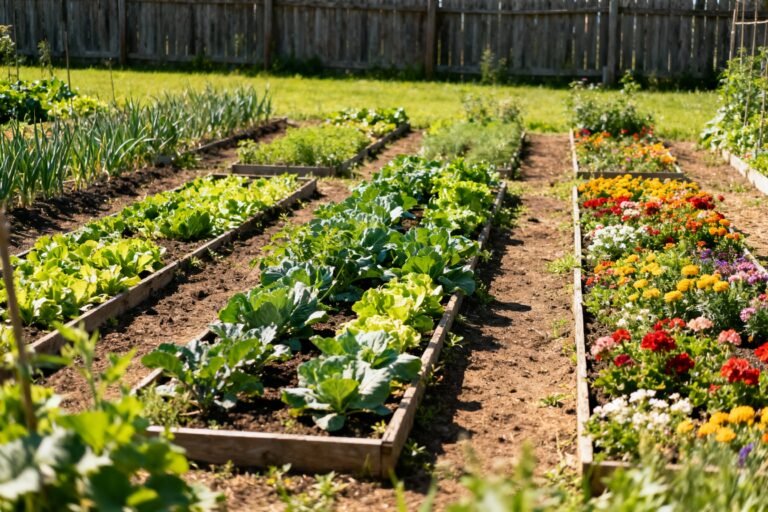
Absolutely—just design them like ornamentals. Use blueberry shrubs, rosemary hedges, chives as edging, and kale with winter pansies. Keep things neat and you’ll get food and curb appeal.
IMO, a rosemary hedge beats a plastic fence any day.
How much should I water a new front yard planting?
Water deeply 2–3 times a week for the first 6–8 weeks, then taper off based on weather. Aim for moist, not soggy. A simple drip line with a timer saves you from the “did I water?” brain spiral.
Do I need landscape fabric?
Usually no.
It blocks soil health over time and pops up like a bad rug. Use 2–3 inches of mulch and good plant spacing instead. Fabric only makes sense under gravel paths or in super weedy, non-plant areas.
Conclusion
Front yard garden design isn’t about copying a magazine spread.
It’s about picking a vibe, choosing plants that thrive where you live, and lining up a few bold moves—clear path, strong anchor plants, and consistent materials. Keep it simple, repeat your winners, and light it well. Do that, and your front yard will greet the world with confidence—and zero drama.