Creative Shade Garden Ideas for Small and Large Yards
Some spots in the yard look like a mossy cave even at noon, right? That’s your future shade garden whispering “plant me.” Shade doesn’t equal boring or bare. With the right plants and a few clever moves, those dim corners can glow like a secret woodland.
Ready to turn low light into high style?
Know Your Shade (It’s Not All the Same)
Not all shade behaves the same. You’ll get wildly different results with morning sun vs. deep, tree-cast gloom. Figure out your light before you buy a single plant.
- Full shade: Under dense trees, on the north side of buildings, or in narrow alleys.
Think 0–2 hours of direct sun.
- Part shade: Dappled light or 2–4 hours of morning sun. Many “shade” plants actually love this.
- Dry shade vs. moist shade: Under big trees, roots steal water (dry shade). Near downspouts or low spots stays damp (moist shade).
Plants care. A lot.
Quick test
Watch your space for one day and jot down direct sun hours. Do this in spring and midsummer if you can.
FYI: seasonal shade shifts as the sun angle changes and trees leaf out.
Soil: The Shade Garden’s Secret Sauce
Shade plants love rich, airy soil. If your soil packs tight like old Play-Doh, fix that first. Your plants will thank you with lush leaves and fewer drama episodes.
- Add organic matter: Mix in compost, leaf mold, or shredded bark.
You mimic forest floor magic.
- Manage tree roots: Avoid deep digging near big trees. Add a 2–3 inch layer of compost annually instead.
- Mulch smart: Use fine shredded bark or leaf mold, 2 inches thick. Keep it off stems to prevent rot.
Watering reality check
Shade doesn’t mean wet.
It often means dry, especially under thirsty maples or spruces. Test soil moisture before watering—aim for consistently damp, not soggy.
Plant All-Stars That Actually Thrive in Shade
You want plants that handle low light and still bring personality. Here’s a list that doesn’t phone it in.
Foliage heroes (structure + texture)
- Hosta: Bold leaves, endless varieties. Slugs love them, but you can manage that (hang tight for tips).
- Heuchera (Coral Bells): Purple, caramel, lime—pick your mood.
Great in part shade.
- Japanese Forest Grass (Hakonechloa): Graceful, golden flow. Loves part shade and moisture.
- Ferns: Lady, ostrich, Christmas fern—each adds soft texture and woodland vibes.
- Brunnera: Heart-shaped leaves, silver variegation. Tiny blue flowers in spring.
Flowers that pop in the gloom
- Astilbe: Feathery plumes in jewel tones.
Keep it watered and it rewards you.
- Hellebores: Late winter to spring bloomers, elegant and tough. IMO, a must-have.
- Impatiens & New Guinea Impatiens: Annual color machines for deeper shade.
- Begonias: Especially the rex types for foliage drama; tuberous begonias for flowers.
- Toad lily (Tricyrtis): Orchid-like fall blooms. Weirdly cool.
Groundcovers that end the weeding war
- Epimedium: Delicate flowers, drought tolerant once established.
- Pachysandra or Vinca: Traditional, tough, sometimes too enthusiastic.
Use with caution.
- Sweet woodruff: Whorled leaves and white flowers. Great under trees.
Design Moves That Make Shade Sing
Shade loves texture, contrast, and a few strategic glimmers. Think “layered forest edge,” not “plant soup.”
- Layer heights: Tall background (ferns, larger hostas), mid-layer (heuchera, astilbe), front edges (brunnera, groundcovers).
- Play with leaf size: Big hosta leaves next to fine ferns = instant wow.
- Use variegation and gold tones: Light leaves brighten dark corners.
A single gold grass can lift the whole bed.
- Repeat colors and shapes: Your eye needs rhythm. Repeat a plant every 3–5 feet for cohesion.
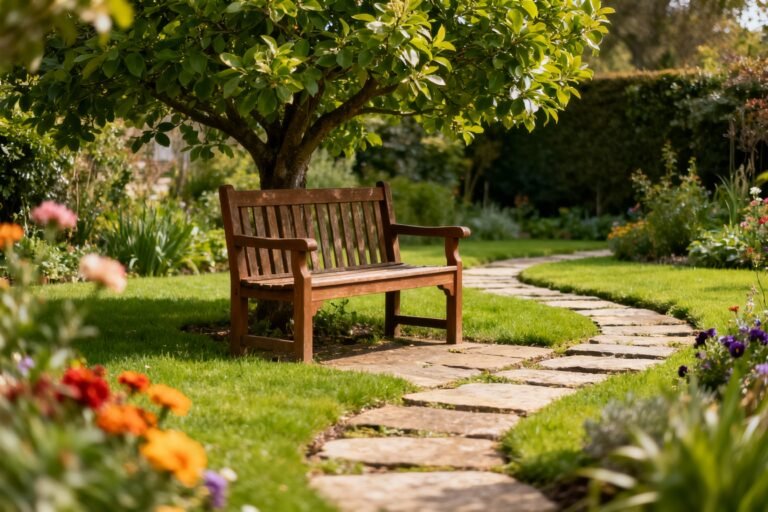
- Add hardscape sparkle: Pale gravel, light stepping stones, a white bench, or a glass orb. Cheeky?
Maybe. Effective? Yes.
Container combos for shady patios
Try a thriller-filler-spiller mix:
- Thriller: Japanese painted fern or a dwarf conifer
- Filler: Heuchera + begonias
- Spiller: Creeping jenny (chartreuse) or ivy
Tricky Spots: Dry Shade, Root Competition, and Slugs
Shade doesn’t play fair.
But you’ve got options.
Dry shade survival kit
- Choose champs: Epimedium, hellebores, lungwort (Pulmonaria), sweet woodruff, some ferns (Christmas fern).
- Water deeply, less often: Encourage roots to dive down.
- Mulch and compost annually: You build a spongey soil over time. Patience pays.
Tree roots everywhere?
- Plant small: Smaller plugs establish better among roots.
- Raised pockets: Tuck plants into shallow, amended basins instead of deep holes.
- Containers under canopies: Zero digging, instant style. Win-win.
Slugs, the salad thieves
- Bait strategically: Iron phosphate baits are pet-safe and effective.
- Barrier methods: Copper tape around pots, diatomaceous earth rings after rain.
- Plant choices: Thicker-leaved hostas (e.g., ‘Halcyon’) resist munching better.
Shade-Loving Shrubs and Small Trees
Structure matters.
Shrubs anchor the scene and provide year-round shape.
- Hydrangea (paniculata for part shade, macrophylla for coastal/climates): Big blooms, big personality.
- Fothergilla: Spring bottlebrush flowers and killer fall color.
- Mahonia (Oregon grape): Evergreen spikes, winter flowers, berries. Very cool, slightly punk.
- Camellia (mild climates): Glossy leaves, winter blooms. Needs acid soil.
- Japanese maple (Acer palmatum): Dappled shade darling.
Pair with ferns for drama.
Evergreen backbone
Add a few shade-tolerant evergreens (boxwood, yew, sarcococca) to keep structure when perennials die back. Winter interest keeps the garden “on” year-round.
Maintenance: Low Light, Low Stress
You want easy. Shade gardens deliver—if you keep a few routines.
- Watering: First year, water weekly in dry spells. After that, most shade plantings handle themselves.
- Fertilizing: Compost top-dress in spring.
Skip heavy fertilizers; you’ll get floppy growth.
- Dividing: Split hostas, heucheras, and ferns every 3–4 years to refresh and expand for free.
- Leaf management: Shred and use as mulch. Free nutrients, forest vibes. IMO, the laziest/best hack.
FAQ
Can I grow vegetables in shade?
You can, but manage expectations.
Leafy greens (lettuce, spinach, arugula), herbs like mint and parsley, and scallions handle part shade. Fruiting crops like tomatoes need more sun, so place those elsewhere.
What’s the fastest way to brighten a deep shade corner?
Add variegated plants and gold foliage (hostas, heucherellas, Japanese forest grass), then layer in light-colored hardscape. A pale gravel path or a white planter instantly reflects light.
It’s décor plus photosynthesis support.
How do I pick colors for a shade garden?
Go bold with foliage first: silvers, chartreuse, deep purples. Then add flowers as accents—pink astilbe, blue brunnera, white impatiens. Repeating 2–3 colors ties everything together without chaos.
Do I need special soil amendments for under trees?
Focus on annual compost and mulch instead of digging.
Avoid cutting major roots. If soil runs dry, run soaker hoses during summer heatwaves. Your mission: feed from the top, like a forest does.
Which shade plants stay evergreen?
Look at hellebores, epimedium (semi-evergreen in mild climates), heuchera in many zones, sarcococca, and some ferns like Christmas fern.
Evergreen anchors stop winter from looking like a plant hangover.
Are moss and lichens a problem?
Nope. They signal moisture and low light, not doom. Treat them as living texture.
If you want less moss, improve drainage and increase air flow—but honestly, the mossy woodland vibe slaps.
Conclusion
Shade doesn’t limit you—it focuses you. Lean into texture, pick plants that love low light, and layer foliage like you’re styling a cozy room. With compost, smart watering, and a few bright accents, those shadowy corners turn enchanting fast.
Go plant the secret garden your yard already wants, FYI—it’s going to look amazing.