Black Flower Meaning and Symbolism: Dark, Elegant Blooms
Black flowers don’t whisper; they smolder. They look like secrets you can plant, and honestly, who doesn’t want a little drama in the garden? They’re not literally black (we’ll get to that), but they pack the mood, the contrast, and the “whoa, what is that?” factor.
Ready to turn your flower beds into a runway for gothic elegance?
What Do We Mean by “Black” Flower?
First things first: black flowers are usually very deep shades of purple, maroon, or red that appear black in certain light. Nature rarely throws pure black pigment into petals. But what you get instead is even cooler: complex, inky tones that shift as the sun hits them.
You’ll see names like “Black Magic,” “Black Night,” and “Queen of Night” slapped on tags. That’s not just marketing hype. These varieties genuinely read as dark, velvety, and moody, especially next to lighter plants.
The contrast? Chef’s kiss.
Why we love them
- Drama and contrast: They make pastel neighbors pop.
- Texture magic: Black tones add depth and sophistication.
- Night and moon gardens: They glow differently at dusk.
- Conversation starters: Be prepared for “What is THAT?”
Popular Black(ish) Flowers You’ll Actually Find
Picking plants with true garden MVP energy? Start here.
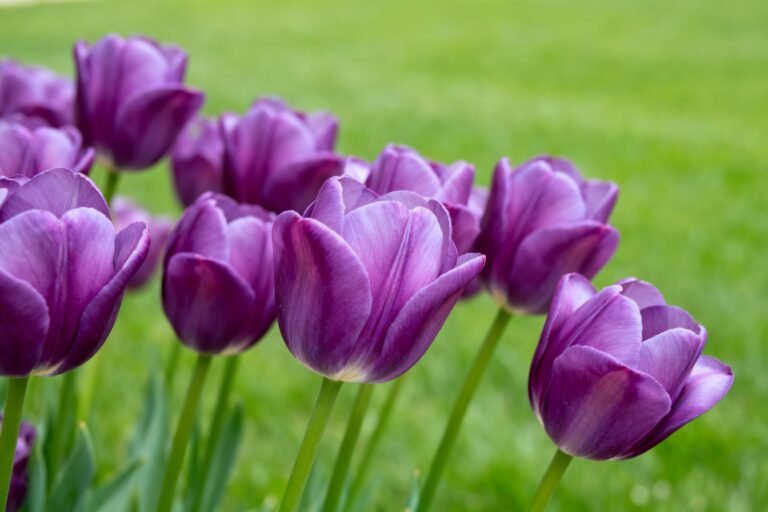
- ‘Queen of Night’ Tulip: Iconic, elegant, late-spring bloomer with deep plum-black petals.
Loves cold winters. Plant in fall, thank yourself in spring.
- ‘Black Baccara’ Rose: Velvety hybrid tea rose with near-black buds. Needs sun, good airflow, and a little fussing.
Worth it.
- Black Calla Lily (‘Black Star’): Sleek, sculptural, and borderline villainous in the best way. Great in containers.
- ‘Black Velvet’ Petunia: Almost matte black blooms. Annual in most zones; crazy high impact in summer pots.
- ‘Nigra’ Hollyhock: Tall, cottage-goth spires of deep maroon-black flowers.
Biennial; let it self-seed for repeat magic.
- ‘Black Knight’ Scabiosa (Pincushion Flower): Button-like blooms, long season, pollinator-friendly, very “I woke up like this.”
- Chocolate Cosmos: Deep burgundy-black with a legit cocoa scent. Frost tender, so treat it like a diva in colder climates.
- Bat Flower (Tacca chantrieri): The wild card—exotic, bizarre, and goth AF. Indoor or greenhouse plant for most folks.
FYI: Foliage counts too
Black flowers shine even more with dark foliage friends:
- Black Mondo Grass: Inky strappy leaves, perfect edging.
- ‘Black Dragon’ Coleus: Moody, lush, effortless vibe.
- ‘Obsidian’ Heuchera: Almost black ruffled leaves, year-round presence.
Designing With Black Flowers (Without Making a Funeral Wreath)
You can go glam, not grim.
It’s all about balance and light.
Contrast is your best friend
Pair black blooms with:
- Soft pastels: Blush pinks, pale lavender, creamy whites.
- Silver foliage: Dusty miller, lamb’s ear, artemisia. That cool tone makes dark blooms glow.
- Neon accents: Lime heuchera or chartreuse sweet potato vine for a pop that looks designer-level on accident.
Think in layers
- Tall drama: Hollyhocks, delphiniums (deep shades), and ornamental grasses.
- Middle stage: Roses, callas, dahlias.
- Front row: Petunias, scabiosa, mondo grass.
Container combos that slap
- Black petunia + dusty miller + trailing white lobelia.
- Black calla + chartreuse coleus + purple sweet potato vine.
- ‘Queen of Night’ tulips beneath white bleeding heart for spring drama.
Care Basics: Keep the Moody Queens Happy
Black flowers don’t require dark arts, just decent care.
- Sun: Most black varieties want 6+ hours of sun. Deep color intensifies in good light.
- Soil: Well-drained, moderately rich soil.
Soggy roots = sad plants.
- Water: Deep, regular watering—especially in containers. Let the top inch of soil dry between waterings for annuals.
- Feeding: Balanced fertilizer every 4-6 weeks for heavy bloomers (roses, petunias). Tulips want a bulb fertilizer at planting and again after bloom.
- Deadheading: Remove spent blooms to extend the show.
Tulips: let foliage yellow before removing so bulbs recharge.
Climate notes
- Bulbs (tulips): Need a winter chill. Warm climates should refrigerate bulbs 10-12 weeks before planting.
- Tender perennials (chocolate cosmos, bat flower): Overwinter indoors in cold zones.
- Roses: Good airflow prevents black spot. Yes, the irony.
Color Science: Why They Look So Dark
You want the nerdy bit?
Here we go. “Black” flowers pack dense anthocyanins—pigments that skew purple/red. When plants stack these pigments heavily in the petals and minimize reflective surface textures, they absorb more light and appear black to our eyes.
Lighting and perception
- Full sun: Deepens the color, especially at midday.
- Shade or dusk: Smooth petals look almost ink-black.
- Next to white flowers: The contrast tricks your brain into seeing them as darker.
The Vibes: What Black Flowers Say Without Talking
We attach meanings to color whether we admit it or not. Black flowers read as mysterious, bold, and a tad rebellious.
They bring elegance to weddings, edge to modern bouquets, and moody romance to cottage gardens. IMO, a single black bloom in a vase says, “I have taste and maybe a secret.”
Occasions that love a dark bloom
- Modern weddings: Pair with ivory and eucalyptus for instant editorial vibes.
- Halloween parties: Low-hanging fruit, but still awesome.
- Minimalist interiors: One stem in a matte bud vase = art.
Where to Buy and What to Watch For
You’ll spot black varieties at reputable nurseries and online shops. Quality matters more with dark blooms because poor stock = muddy color, fewer flowers, and disappointment.
- Bulbs and tubers: Choose firm, mold-free stock from trusted bulb specialists.
- Roses: Grafted plants from disease-resistant lines save future headaches.
- Annuals: Look for bushy starts with multiple buds, not leggy stems.
Pro tip
Labels toss around “black” loosely.
Search photos from real gardeners (not just glossy catalogs) to confirm the look. FYI: lighting and filters lie more than your ex.
FAQ
Are there any truly black flowers in nature?
Short answer: not really. Most “black” flowers lean very deep purple or maroon thanks to concentrated anthocyanins.
Some varieties read virtually black to the eye, especially in shade, but pure black pigment in petals is extremely rare.
Do black flowers attract pollinators?
Yes. Bees, butterflies, and even hummingbirds visit dark blooms if they offer nectar and fragrance. Pair black flowers with nectar-rich companions and you’ll get a lively garden, not a spooky wasteland.
Will black flowers make my garden look too dark?
Not if you balance them.
Mix with whites, pastels, and silvers for contrast. Use dark blooms as accents or focal points rather than filling the whole bed. Think eyeliner, not full-face paint.
Are black roses natural?
You can grow very dark roses like ‘Black Baccara’ or ‘Black Jade,’ but they’re deep red/burgundy in reality. “Black rose” bouquets often come from florists who dye standard roses.
Both can look amazing, but the garden-grown ones feel more special IMO.
What zones work best for black flowers?
It depends on the plant. Tulips thrive in cooler climates with winter chill. Many roses prefer zones 5-9 with good care.
Annuals like black petunias work almost anywhere in warm months. Always check the specific variety’s zone.
How do I keep the color looking rich?
Give them sun, good soil, and consistent watering. Fertilize on schedule and avoid overcrowding so petals don’t get spotty or dull.
Also, pair them with contrasting plants—your eye reads them darker when they stand out.
Conclusion
Black flowers bring the kind of garden drama you can’t fake. They don’t just sit there; they set a tone—elegant, moody, a little rebellious. Mix them with soft companions, give them decent care, and watch the whole space level up.
If your garden feels blah, add a black bloom or two and let the plot thicken.