How to Grow Venus Fly Traps at Home: Tips and Tricks
You want a houseplant with drama? Meet the Venus flytrap. It snaps shut like a tiny bear trap, lives on bugs, and looks like it’s plotting world domination from a windowsill.
Don’t worry—it’s small, sassy, and surprisingly easy to keep alive once you learn its quirks. Let’s talk about how it eats, grows, and avoids becoming crunchy toast in your living room.
Meet Dionaea muscipula: The Iconic Bug Muncher
Venus flytrap isn’t just a meme-worthy plant. It’s a legit native of the Carolinas in the U.S., where it thrives in sunny, wet, nutrient-poor bogs.
That last part matters: the soil has almost no nutrients, so the plant evolved to munch insects for extra nitrogen and minerals. Here’s the cool bit: each “trap” is actually a modified leaf. When a bug triggers it, the trap snaps shut in under a second.
It’s not magic—just crafty biology.
How the Snap Actually Works (Without Magic)
The trap has tiny hairs called trigger hairs. Touch one hair twice, or two hairs quickly, and the trap slams shut. Why the double-touch?
It saves energy and avoids wasting time on raindrops or dust. Smart. Inside the trap, those eyelash-looking cilia interlock, forming a cage.
If the prey is small enough to escape, it might. If not, the plant tightens the trap over hours, seals the edges, and releases digestive enzymes. Dining in, not takeaway.
The Digestive Timeline
– First snap: bug captured, but not sealed yet. – 1–3 hours: trap seals if the prey struggles. – 3–10 days: digestion time, depending on size and temperature. – After digestion: trap reopens, leaving a tiny exoskeleton behind like a miniature crime scene.
Care: The Golden Rules You Should Not Break
You can grow a Venus flytrap at home without grief.
You just need to commit to a few non-negotiables. FYI, these matter more than fancy pots or expensive terrariums. Water quality: – Use only distilled, reverse osmosis, or rainwater. Tap water usually contains minerals that will slowly poison the plant. – Keep the soil damp, never waterlogged.
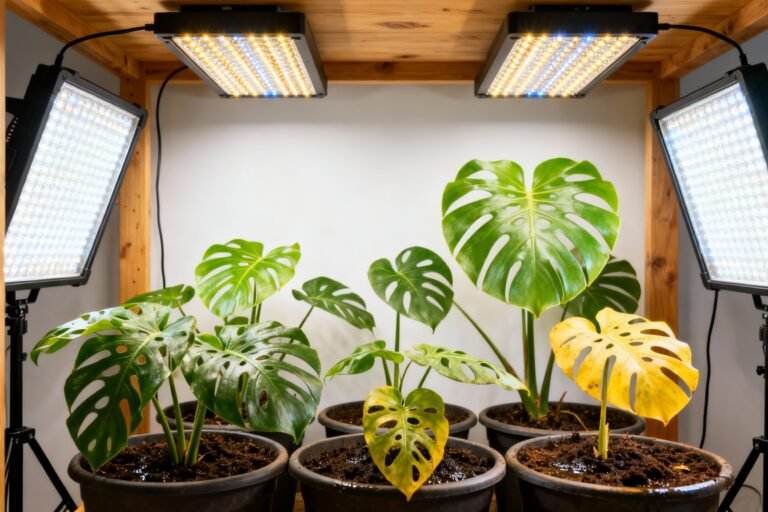
A shallow tray with a bit of water works great in warm seasons. Soil: – Use a mix of sphagnum peat moss and perlite or silica sand (about 1:1). – No fertilizers. Ever. IMO fertilizer is the fastest way to give your flytrap an existential crisis. Light: – Give 4–6 hours of direct sun outdoors or the strongest window you’ve got indoors. – If indoors, use a grow light (around 6500K) for 12–14 hours daily.
Bright is life. Humidity & airflow: – They don’t need a terrarium. Normal household humidity works if you meet the light and water needs. – Good airflow helps prevent fungus and keeps traps happy.
Seasons Matter: Dormancy Is Not Optional
Venus flytraps sleep in winter. They require a cool dormancy of about 3–4 months (roughly 35–50°F or 2–10°C).
Leaves die back and growth slows. That’s not death—it’s a spa retreat. – Reduce watering, but don’t let the soil dry completely. – Provide bright light still, just cooler temps. – In spring, they wake up and go into beast mode again.
Feeding: Fun, But Don’t Overdo It
Will it starve without your help? Usually not.
Outdoors, it catches plenty. Indoors, you can feed it occasionally if you want to be a supportive plant parent. Feeding basics: – Offer small, live insects (flies, small crickets, spiders). No human food, please. – Size matters: the prey should be about 1/3 the trap’s size. – Only feed actively growing traps—brown or old traps won’t digest well. How often? – One bug per plant every 2–4 weeks is enough if it isn’t catching its own. – Each trap can handle a few meals before it retires and dies off.
Stuff You Should Never Do
– Don’t trigger traps for fun.
It drains energy and the trap might die early. – Don’t feed raw meat, cheese, or dead bugs unless you gently stimulate the hairs—no movement means no digestion. – Don’t keep the plant soaked constantly or it’ll rot.
Different Looks: Cultivars Worth Knowing
If you think all Venus flytraps look the same, welcome to the rabbit hole. Breeders have created some wild cultivars. – Akai Ryu (Red Dragon): Deep red coloration in strong light. – King Henry: Large traps with a dramatic look. – Fused Tooth: Odd, fused cilia for a Frankenstein vibe. – B52: A fan favorite with huge, vigorous traps. Most cultivars behave like the basic plant, but they may prefer slightly stronger light for their best color.
IMO go with vigorous types like ‘B52’ or ‘King Henry’ if you’re new.
Common Problems (And How to Fix Them Fast)
Let’s triage the usual drama. Brown, crispy traps: – Likely old age or sun acclimation. Traps naturally die after a few meals. – If many traps brown at once, check for tap water minerals or too little humidity plus sudden high heat. Weak, floppy growth: – Not enough light. Move outdoors or under a stronger grow light. Rot or blackened centers: – Overwatering or stagnant air.
Improve drainage and airflow. Let the tray dry slightly between refills. No growth in winter: – Dormancy. Chill.
Literally.
Repotting Tips
– Repot every 1–2 years in fresh peat/perlite mix to avoid mineral buildup. – Best time: early spring as dormancy ends. – Gently rinse old media from the roots with distilled water, plant the rhizome with traps above soil, and water thoroughly.
Propagation: Make More Without Buying More
Want clones? Totally doable. Division: – Mature plants often form clumps. Gently separate the rhizomes during repotting. – Each division should have roots and at least one growth point. Leaf pullings: – Tug a healthy leaf downward to get a sliver of white rhizome tissue. – Plant the base in damp sphagnum.
Keep bright and humid. New plantlets can appear in weeks to months. Seeds: – Slow but fun. You’ll need flowers and successful pollination. – Sow on damp sphagnum or peat, under bright light.
Germination can take several weeks.
Flowering: To Cut or Not to Cut?
The tall flower stalks look cool, but they can drain energy from young plants. If your plant looks small or tired, snip the stalk early. If it’s robust and you want seeds, let it bloom and try hand-pollination with a small brush.
Display Ideas That Don’t Kill the Plant
You can keep it stylish and healthy, promise. – Window bog bowl: a wide ceramic bowl with peat/perlite and a few companion bog plants like sundews.
Gorgeous and functional. – Balcony bug hunter: outdoor pot with full sun—your flytrap will do its own pest control. – Desk pet with a grow light: pair with a compact LED panel on a timer. Zero guesswork. Avoid closed terrariums unless you really know humidity/light balance.
Most go moldy or leggy fast.
FAQ
Do Venus flytraps need bugs to survive?
Not always. They photosynthesize like regular plants. Bugs act like vitamin capsules that boost growth and color.
If your plant gets strong light and clean water, it’ll survive without frequent feedings, but it will grow faster with occasional prey.
Can I use tap water if I leave it out overnight?
Nope. Letting water sit only removes chlorine, not dissolved minerals. Those minerals build up and harm the roots.
Use distilled, RO, or rainwater only, FYI this is the rule most people break.
Why are the insides of my traps not red?
Color depends on genetics and light. Some cultivars turn deep red inside under strong sun or powerful grow lights. If yours stays green, it might need more light or it’s just a greener variety.
Both are fine.
How often should I repot?
Every 1–2 years. Fresh media prevents mineral buildup and restores aeration. Spring is ideal because the plant wakes from dormancy and rebounds quickly.
Is a terrarium a good idea?
Usually not for beginners.
Venus flytraps crave strong light and good airflow, which many terrariums lack. If you insist, keep the lid off, use bright lighting, and monitor moisture like a hawk.
Can I grow one from supermarket kits?
You can, but the included soil often isn’t right. Swap it for peat/perlite and use proper water.
The plant can thrive if you correct the basics out of the box.
Conclusion
The Venus flytrap looks wild, but it isn’t high-maintenance if you follow a few rules: pure water, nutrient-poor soil, tons of light, and a proper winter nap. Feed it a bug sometimes and enjoy the show, but don’t poke it for kicks. Treat it right and it’ll reward you with spring growth, flashy traps, and that smug “I eat flies” energy.
IMO, it’s the most entertaining plant you can keep without a permit.