Container Gardening Ideas to Beautify Your Home and Garden
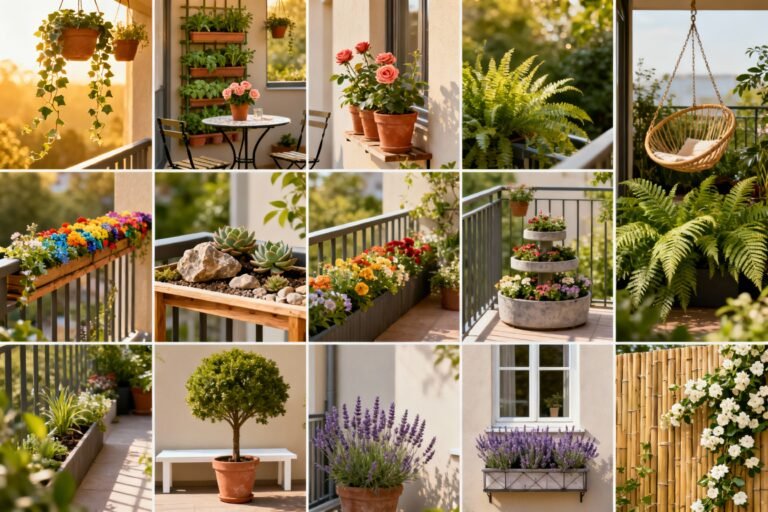
You don’t need a backyard to grow tomatoes, herbs, or flowers. You just need a pot, some dirt, and the audacity to believe that basil can thrive on a fire escape. Container gardening turns balconies, stoops, and even windowsills into tiny jungles.
It’s flexible, it’s forgiving, and if your plant fails, you get to blame the pot. Kidding (mostly).
Why Container Gardening Rocks
You control everything. Soil, water, sun exposure—no mystery clay patches or marauding rabbits.
You can move pots around like furniture until plants look happy, and then keep them there. Want to grow tomatoes in spring and swap to chrysanthemums in fall? Easy.
Plus, containers make small spaces look intentional. A few well-chosen pots can transform chaos into charm. And IMO, nothing beats grabbing your own mint for a mojito, smug grin included.
Choosing the Right Pots (Size Matters)
Match the pot to the plant.
Tiny pot + big plant = sad, root-bound drama. Big pot + small herb = a happy, stable micro-ecosystem.
- Material: Terra cotta breathes but dries fast. Plastic retains moisture and weighs less.
Glazed ceramic looks fancy and holds water well but can be heavy. Fabric grow bags drain beautifully and store flat.
- Size: Herbs and lettuces: 6–10 inches deep. Peppers: 3–5 gallons.
Tomatoes: minimum 10 gallons (bigger if you can). Root crops: deeper is better—12 inches+ for carrots.
- Drainage: Non-negotiable. Every container needs holes.
If your dream pot lacks them, add some or use it as a cachepot with a plastic nursery pot inside.
Pro tip: Go wider
Wide, shallow pots work great for salads and strawberries, while tall, narrow pots tip over in wind. Stability matters when your patio becomes a wind tunnel.
Potting Mix, Not “Dirt”
Garden soil compacts in containers. You need potting mix—light, airy, and fast-draining.
Look for mixes with peat or coco coir, perlite, and compost or slow-release fertilizer.
- Herbs and greens: Standard potting mix with a bit of compost.
- Tomatoes and heavy feeders: Potting mix + extra compost + a slow-release organic fertilizer.
- Succulents: Cactus mix or potting mix with added sand/perlite for faster drainage.
Refresh your mix
Reuse potting mix for one or two seasons by fluffing it, removing old roots, and mixing in compost. After that, retire it to garden beds or use as mulch.
Sunlight: Your Free Growth Accelerator
Most edible plants want 6–8 hours of direct sun. Flowers vary, but “full sun” on the tag means the same deal.
Don’t guess—track the sun for a day and see where it lands.
- Full sun champs: Tomatoes, peppers, eggplant, rosemary, lavender.
- Partial sun/afternoon shade lovers: Lettuce, spinach, cilantro, parsley, nasturtium.
- Low light options (3–4 hours): Mint, chives, some ferns. FYI, you won’t grow beefsteak tomatoes in deep shade.
Reflect and redirect
Use light-colored walls or reflective surfaces to boost light. No sun?
Consider grow lights inside. Your plants won’t judge you.
Watering Without the Drama
Container soil dries faster than ground soil, so check daily in summer. Stick a finger in to the second knuckle.
Dry? Water thoroughly until it drains out the bottom.
- Morning watering: Best for reducing disease and giving plants a full day to sip.
- Mulch: A thin layer of straw or shredded leaves keeps moisture around longer.
- Self-watering containers: Great for busy folks. They store water in a reservoir and wick it to roots.
Don’t drown them
Overwatering starves roots of oxygen.
If leaves yellow and the soil feels soggy, ease off. If leaves droop and the soil feels dry, water deeply. Plants complain—listen.
What to Grow (And What Not To)
Start with what you actually eat or love to look at.
If you hate zucchini, don’t grow it because “it’s easy.” You’ll just resent it and your neighbors will stop answering your door.
- Beginner herbs: Basil, mint (grow in its own pot or it will go full takeover), thyme, chives, parsley.
- Leafy greens: Lettuce mixes, arugula, spinach—fast, forgiving, and happy in partial shade.
- Fruit/veg in pots: Cherry tomatoes, bush beans, peppers, dwarf cucumbers, strawberries.
- Flowers that thrive: Marigolds, petunias, calibrachoa, nasturtium, dwarf zinnias.
Compact varieties are your friends
Look for labels like “bush,” “patio,” “compact,” or “dwarf.” They produce like champs without turning your balcony into a jungle you can’t walk through.
Feeding Your Plants Without Overthinking It
Containers leach nutrients each time you water. Feed lightly and consistently.
- Slow-release fertilizer: Mix into potting mix at planting. Feeds for months with minimal effort.
- Liquid fertilizer: Use every 1–2 weeks during active growth.
Half-strength keeps you safe.
- Organic options: Fish emulsion, seaweed, compost tea. Slightly funky smell, excellent results.
Reading the leaves
Pale, yellow leaves can mean hunger. Dark green but no blooms?
Too much nitrogen. Flowers but no fruit? You might need more sun or better pollination.
Design Tips That Make It Look Intentional
You can absolutely just line up random pots.
But if you want a vibe, think in layers.
- Thriller, filler, spiller: One tall plant (thriller), surround with medium plants (filler), finish with a trailing one (spiller). Works every time.
- Color story: Pick a palette (e.g., greens + purples + white) so it looks cohesive.
- Group by water needs: Keep thirsty plants together and drought-tolerant ones together. Your watering can will thank you.
- Height hacks: Use stools, crates, or stands to stagger heights and make more space.
Common Problems (And Chill Fixes)
You’ll hit a few bumps.
No need to spiral.
- Leggy seedlings: Not enough light. Move them or add a grow light.
- Blossom drop on tomatoes/peppers: Too hot, too cold, or irregular watering. Keep soil evenly moist and be patient.
- Pests: Aphids, whiteflies, and spider mites crash every party.
Blast with water, then use insecticidal soap or neem. Introduce ladybugs if you feel fancy.
- Powdery mildew: Improve airflow, water soil not leaves, and remove affected foliage.
- Root rot: Overwatering or no drainage. Repot in fresh mix and cut back on water.
Pollination 101
Most flowers self-pollinate, but more bees = more fruit.
Plant pollinator-friendly flowers like lavender and alyssum. Or gently shake tomato blossoms to help things along—yes, really.
Seasonal Swaps and Overwintering
Containers let you rotate crops with the seasons. Start with cool-season greens, switch to summer tomatoes and peppers, then pivot to fall kale and pansies.
- Heat waves: Afternoon shade cloth or moving pots to shade keeps plants alive.
- Frost: Bring tender plants inside or cover with frost cloth.
Group pots for extra warmth.
- Perennials in pots: Choose hardy plants rated 1–2 zones colder than yours, or insulate pots with bubble wrap and mulch.
FAQs
How often should I water containers?
Check daily in warm weather. Water when the top inch feels dry, until it runs out the bottom. In cooler months, you might water every few days.
Different plants drink differently, so observe and adjust.
Can I use garden soil in pots?
I wouldn’t. Garden soil compacts, drains poorly, and can bring pests. Use a quality potting mix for airflow and root health.
Your plants will reward you.
What’s the best container size for tomatoes?
Go big. Use at least a 10-gallon pot for cherries and 15 gallons for larger types. Add a sturdy cage or stake at planting, not after your tomato becomes a tangled diva.
Do I need to fertilize if I used compost?
Yes, usually.
Compost improves structure and adds nutrients, but containers leach quickly. Use slow-release granules at planting and supplement with liquid feed during peak growth. FYI, light and water still matter more.
Why do my herbs get bitter or bolt?
Heat and long days trigger bolting.
Harvest often, give afternoon shade to cool-season herbs like cilantro, and keep water steady. If a plant bolts, let it flower for pollinators or replant for better flavor.
Can I grow fruit trees in containers?
Absolutely—look for dwarf or patio varieties. Use a large pot (15–25 gallons), a well-draining mix, and regular feeding.
Prune to maintain shape, and protect roots from freezing in winter.
Conclusion
Container gardening keeps things simple, creative, and ridiculously satisfying. You pick the pots, you curate the plants, and you move them around like a tiny botanical DJ until everything hits the right vibe. Start small, learn fast, and grow what you love.
IMO, the first time you eat a sun-warmed cherry tomato from your own balcony, you’ll wonder why you didn’t start sooner.