How to Design a Small Garden: Tips, Layouts, and Plant Choices
You don’t need a sprawling backyard to grow something worth bragging about. A small garden can crank out herbs, flowers, and even veggies—without swallowing your weekend. It’s cozy, manageable, and frankly, charming.
Ready to turn a tiny patch (or balcony) into your favorite spot? Let’s dig in.
Start Small, Grow Smart
You don’t need to re-landscape your life. Start with one container, one raised bed, or one corner.
Learn what thrives in your space, then expand. Pro tip: Track sunlight. Your “shady nook” might get six hours of blazing afternoon sun. Plants care about sunlight more than your vibes.
Sun, Wind, and Water: Your Microclimate Matters
Every small garden has a personality.
Balconies get wind tunnels. Courtyards trap heat. North-facing windows sulk.
Observe for a week:
- Sunlight: Count hours of direct light
- Wind: Note gusts (especially on balconies)
- Heat: Brick walls reflect and intensify heat
- Water access: If hauling cans hurts, you’ll avoid watering—simplify it
Container Magic: Think Vertical, Think Modular
Containers give you control, flexibility, and style. Also, zero weeding (almost). What’s not to love?
- Pot size: Bigger pots = happier roots.
Aim for at least 12″ diameter for herbs, 16–20″ for tomatoes/peppers.
- Drainage: Non-negotiable. Drill holes if needed and use saucers strategically (but don’t let plants sit in swamp water).
- Material: Terracotta breathes (dries faster), plastic retains moisture (for forgetful waterers), fabric pots boost root health.
- Soil: Use potting mix, not garden soil. Add compost for nutrients and perlite for drainage.
Vertical Structures That Don’t Look Like a Jungle Gym
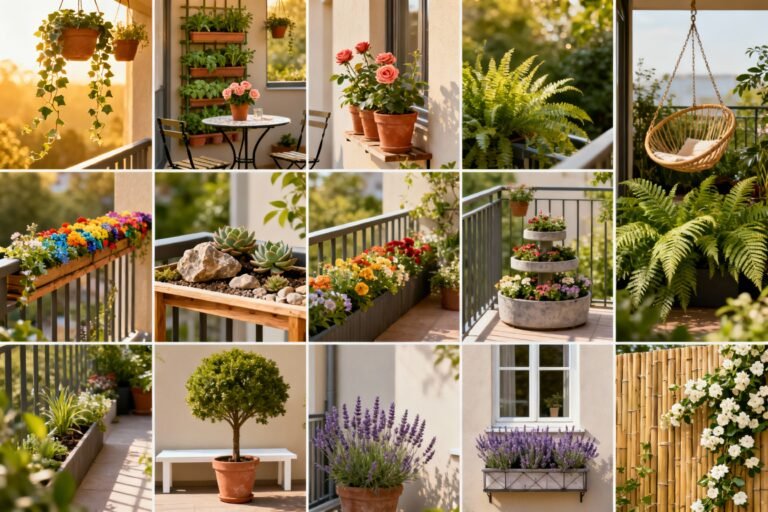
Use trellises, wall planters, and hanging baskets.
Climbing peas, beans, and cucumbers love a lift. Trailing strawberries and thyme soften edges. FYI, a vertical herb rack near your kitchen door feels chef-level fancy.
Plants That Earn Their Space
Your garden can’t host freeloaders.
Choose compact, productive, low-drama plants. Here’s a short list that rarely disappoints:
- Herbs: Basil, thyme, mint (in a pot, always), chives, parsley. Instant flavor upgrade.
- Leafy greens: Lettuce, arugula, spinach.
Cut-and-come-again = loads of harvests.
- Compact veggies: Cherry tomatoes, dwarf peppers, bush beans, radishes.
- Pollinator magnets: Lavender, calendula, nasturtiums, marigolds. Pretty and useful.
- Shade-tolerant picks: Mint, chives, parsley, ferns, hostas (IMO, underrated).
Mix Beauty with Dinner
Blend edibles and ornamentals. Marigolds deter pests.
Nasturtiums make salads spicy. Kale looks sculptural. Your garden can look good and feed you—multitasking for the win.
Design Like You Mean It
Small doesn’t mean boring.
It means intentional. You want layers, contrast, and flow.
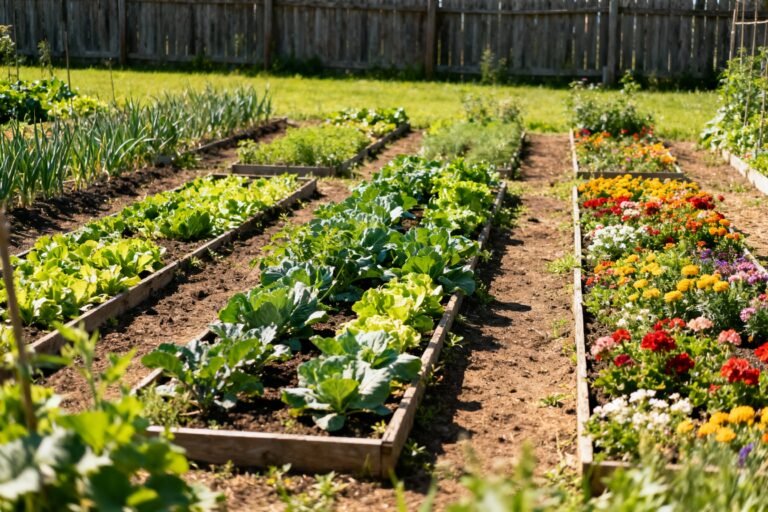
- Layer heights: Tall (trellises, tomatoes), mid (basil, peppers), low (thyme, strawberries).
- Color and texture: Mix glossy and matte leaves, fine and bold textures. Add one “statement” plant.
- Paths and access: Don’t create a jungle you can’t reach.
Leave stepping space or use moveable containers.
- Repeat shapes: Similar pot styles = visual calm. Your brain thanks you.
Make It Feel Like a Room
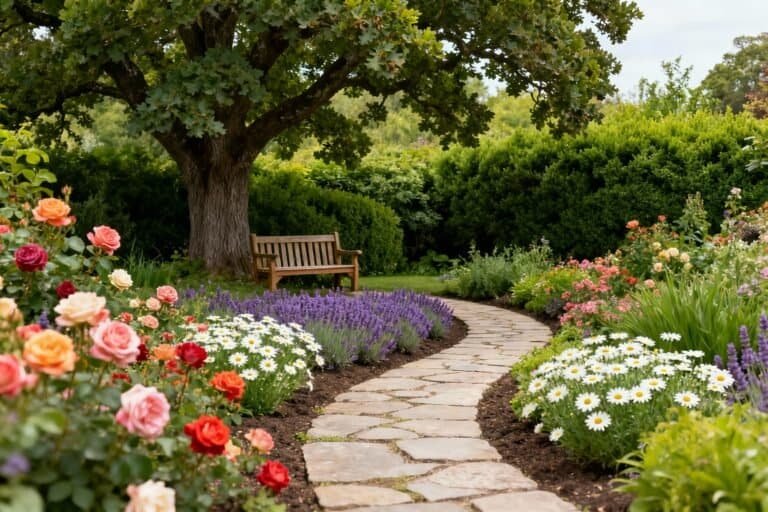
Anchor the space with a small bench or bistro table. Add string lights (yes, we all do it).
Include a scent plant near the seat—rosemary or jasmine just makes evenings better.
Watering Without the Drama
Overwatering kills more small gardens than the apocalypse. Set a rhythm, not a schedule. Here’s the simple system:
- Stick your finger an inch into the soil. Dry?
Water. Damp? Wait.
- Water early morning.
Less evaporation, fewer fungal issues.
- Use a long-spout watering can for precision or a drip line for hands-off hydration.
- Mulch with straw, shredded leaves, or coco coir to keep moisture steady.
Fertilizer: Light Touch, Big Results
Container plants use up nutrients fast. Feed every 2–4 weeks with a diluted liquid fertilizer (fish emulsion, seaweed, or balanced synthetic). Or toss a slow-release fertilizer into potting mix at planting time.
Don’t overdo it—leafy green explosions with zero flavor are a thing.
Pests, Problems, and Chill Solutions
Yes, bugs happen. No, you don’t need a hazmat suit.
- Aphids: Blast with water, then spray with soapy water. Ladybugs help.
- Fungus gnats: Let soil dry slightly, add a thin sand layer, use yellow sticky traps.
- Powdery mildew: Improve airflow, water soil not leaves, prune crowded stems.
- Slugs: Beer traps, copper tape, or morning hand-picking.
They’re gross but beatable.
Prevent > Cure (Almost Always)
Keep leaves off the soil, prune for airflow, and clean up dead stuff. Rotate crops, even in containers. And, IMO, stress-free plants shrug off more problems than stressed ones—give them light, water, and space.
Year-Round Small Garden Strategies
You can grow something almost every month with a little planning.
- Spring: Peas, lettuces, radishes, pansies.
Start tomatoes indoors if you can.
- Summer: Basil, cherry tomatoes, peppers, cucumbers, zinnias.
- Fall: Kale, Swiss chard, carrots, marigolds, mums.
- Winter (mild climates or indoors): Parsley, chives, microgreens, hardy rosemary.
Inside Counts Too
Don’t sleep on windowsill gardens. Grow basil, thyme, and green onions in bright light. Use a small grow light if your window sulks—plants want 12–14 hours for real growth.
FYI, you can cut green onions and regrow them in water, then pot them for sturdier growth.
Simple Layouts You Can Copy
Sometimes you just want a blueprint. Steal these:
- Balcony “Food + Flowers” Rack: Top shelf: trailing nasturtiums. Middle: basil and parsley.
Bottom: dwarf peppers. One large pot: cherry tomato with a stake.
- 3-Pot Herb Trio: 12″ pots with thyme, rosemary (upright), and mint (solo pot!). Add a small lavender for scent.
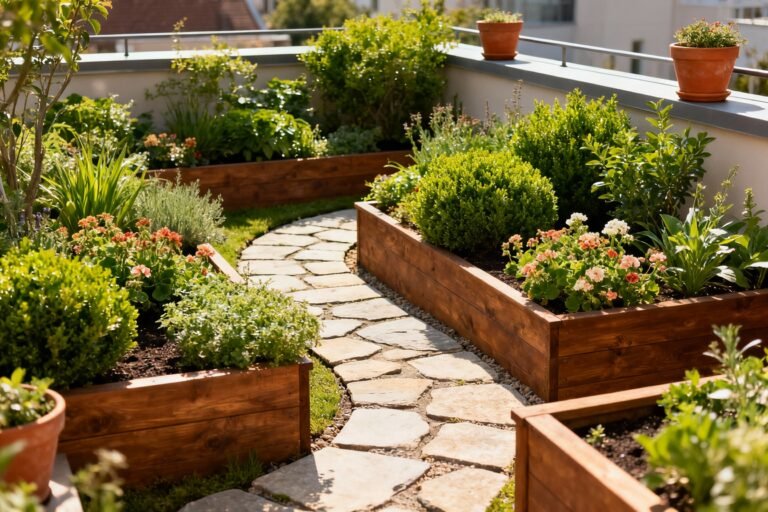
- Micro Raised Bed (3’x2′): Back row: trellised cucumbers.
Middle: bush beans with marigolds. Front: lettuce mix and radishes.
FAQ
How much sunlight do I need for a small garden?
Most veggies want 6–8 hours of direct sun. Herbs and leafy greens can survive on 4–6 hours, especially morning sun.
If you get less, grow shade-tolerant picks or use a small grow light indoors. No shame in a little tech assist.
What’s the easiest plant for beginners?
Start with basil, mint (in its own pot), and cherry tomatoes. They forgive mistakes and reward you fast.
Add a marigold for color and pest control. Confidence unlocked.
How often should I water containers?
Check daily in hot weather. Water when the top inch feels dry.
Deep watering less often beats light sips—aim for water draining out the bottom. Consistency prevents splitting tomatoes and sad, wilted leaves.
Can I compost in a small space?
Yes. Use a compact tumbler or a bokashi system for kitchen scraps.
You’ll make nutrient-rich material without a giant bin. Even a worm bin works indoors—super low odor when managed right, promise.
How do I keep my small garden from looking messy?
Choose 2–3 pot styles and repeat them. Prune weekly, deadhead flowers, and group plants by height.
Tuck tools in a small storage box so the vibe stays sanctuary, not supply closet.
What if I only have shade?
Lean into it. Grow mint, parsley, chives, lettuce, and ferns. Add bright containers and reflective surfaces to bounce light.
You won’t grow tomatoes, but your mojito game will slap.
Conclusion
A small garden doesn’t limit you—it focuses you. You’ll pick better plants, design smarter, and actually maintain the thing. Start with one pot, add a trellis, sprinkle in some flowers, and call it your oasis.
Before you know it, you’ll harvest salads, wave at bees, and flex your tiny jungle—IMO, the best square footage upgrade you can make.