Garden Layout Ideas to Transform Your Outdoor Space
You want a garden that looks good, works hard, and doesn’t need a full-time grounds crew? Same. A smart layout turns a patch of dirt into a gorgeous, productive space without the chaos.
Whether you grow tomatoes, tulips, or just vibes, the way you arrange your garden makes everything easier—watering, weeding, and yes, relaxing with a cold drink admiring your work. Let’s map it out so your garden stops feeling random and starts feeling intentional.
Start With the Sun (It Runs the Show)
You can’t fight the sun, so design around it. Watch your space for a few days and note where the light lands morning, midday, and late afternoon.
Most edibles need 6–8 hours of direct sun. Shade lovers want dappled light and naps. Place sun-hungry plants—tomatoes, peppers, squash—on the sunniest side. Keep shade-friendly plants—ferns, hostas, lettuce in hot climates—where they won’t fry.
And if you have tall structures or trellises, set them on the north side so they don’t cast shade on everybody else. FYI, tall sunflower walls look cool but they’ll eclipse your basil.
Microclimates Are Your Secret Weapon
Warm brick walls reflect heat. Low spots hold cold air and frost.
Wind tunnels dry things out. Use these microzones to your advantage:
- Heat-lovers near south-facing walls
- Tender plants away from wind corridors
- Moisture-needy plants in gentle dips (not swamps)
Pick a Layout Style That Fits Your Life
No one layout rules them all. Choose a style that matches your garden goals and how you like to move through the space.
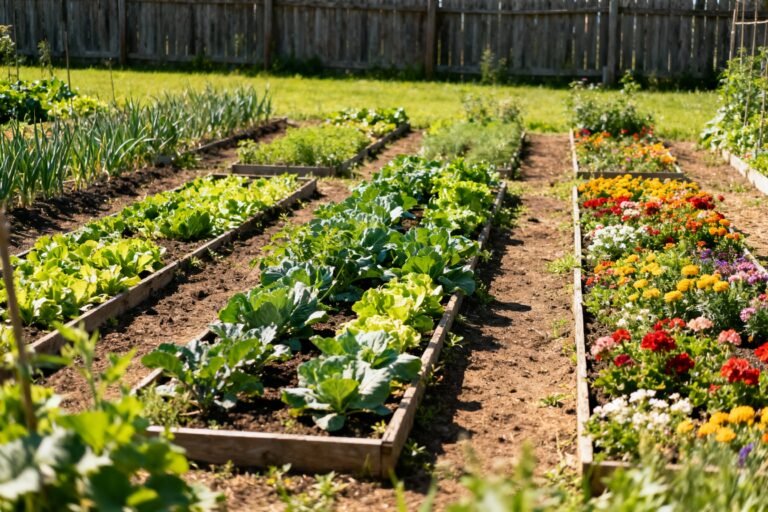
Classic Beds and Paths
Neat rectangles or squares with clear paths make maintenance simple.
Keep beds no wider than 4 feet so you can reach the center without stepping on soil. Paths? 18–24 inches wide minimum if you want to wheel a barrow or, you know, walk like a human.
Kitchen Garden (Potager) Vibes
Think productive and pretty. Mix herbs, flowers, and veg in geometric patterns.
Use low boxwood or thyme borders, and pop in trellises for height. It’s the garden equivalent of “I woke up like this” style.
Lasagna or No-Dig Beds
Layer cardboard, compost, and mulch right on the ground. This layout shines for new gardens and busy humans.
It builds soil fast and suppresses weeds. IMO, it’s the laziest smart choice.
Perennial and Pollinator Layout
Design with drifts of 3–5 of the same plant to create rhythm and reduce visual clutter. Stagger bloom times so something always flowers.
Your bees will thank you with tiny high-fives.
Plan for Flow: Paths, Access, and Zones
If you trip over a hose every weekend, your layout needs a tune-up. Create zones based on how you use the garden.
- Work zone: compost, potting bench, tool storage—close to the gate or door
- Production zone: beds grouped together with easy hose access
- Chill zone: seating nook, shade tree, maybe a fire pit if you like s’mores
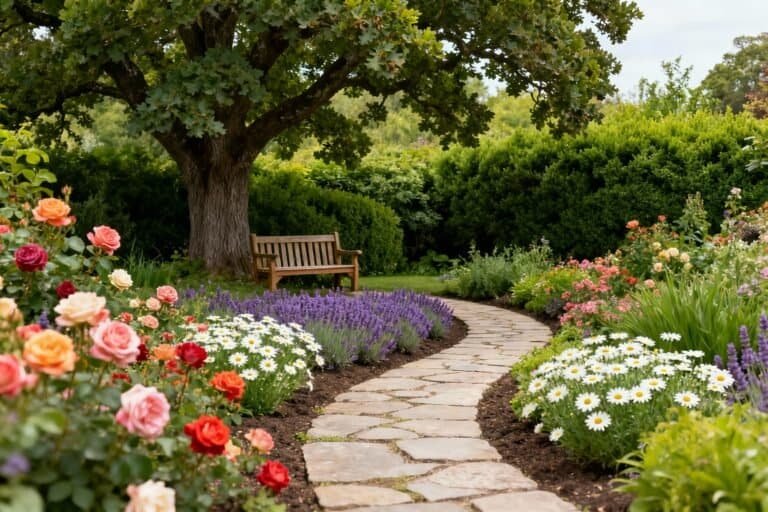
Curved paths feel natural; straight paths feel efficient. Pick your personality.
Use mulch, gravel, or stepping stones. Keep muddy shoes a short walk from the house because future-you will complain.
Vertical Space = Free Square Footage
Grow up when you can’t grow out. Install:
- Trellises for peas, cucumbers, and beans
- Obelisks or arches for roses or tomatoes
- Fences as espalier walls for fruit trees (fancy, but worth it)
Climbing plants create shade for greens in hot months.
Also, they make you look like you know what you’re doing.
Soil, Water, and Mulch: The Holy Trinity
You can’t fix bad soil with vibes. Test it, amend it, and keep it covered.
- Soil test: check pH and nutrients, then add compost and amendments as needed
- Mulch: 2–3 inches of wood chips or straw keeps moisture in and weeds out
- Irrigation: drip lines or soaker hoses save time and water
Put irrigation in before planting. Crawling around delicate seedlings to lay hoses feels like a game of garden Twister, and no one wins.
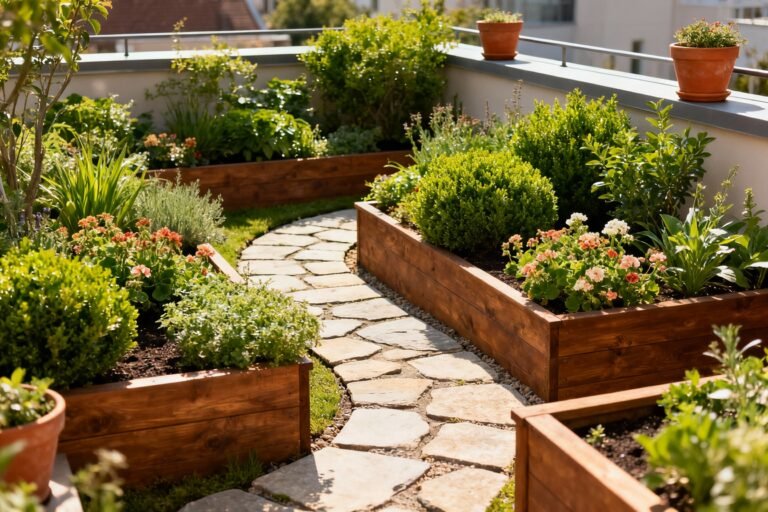
Raised Beds vs. In-Ground
– Raised beds warm up faster, drain well, and look tidy.
Great for poor native soil or accessibility. – In-ground beds cost less and work well if your soil already rocks. Either way, keep beds consistent in size so you can reuse hoops, covers, and trellises like a pro.
Plant Placement: Companions, Spacing, and Succession
Put the right plants next to each other and they’ll behave. Most of the time.
- Tall in back, short in front (north to south if possible)
- Group by water needs so you don’t drown rosemary to keep lettuce happy
- Companion planting: basil near tomatoes, marigolds near beans—helpful and cute
- Avoid bullies: mint lives in pots unless you want a mint lawn
Spacing That Actually Works
Squeezing plants closer feels efficient but invites disease.
Follow spacing guides, but here’s a quick reality check:
- Tomatoes: 18–24 inches apart
- Peppers: 12–18 inches
- Leafy greens: 6–10 inches
- Squash: 3–4 feet (they’re drama queens)
Succession Planting
Plant in waves so the harvest doesn’t hit all at once. After the peas finish, drop in beans. After garlic, plant fall greens.
Keep a simple calendar or notes app. Future-you will send you a thank-you text, IMO.
Design for Wildlife and Low Maintenance
Invite the good bugs, deter the jerks, and reduce your chores.
- Pollinator strips with lavender, salvia, yarrow, and coneflower
- Water source: a shallow dish with pebbles for bees and butterflies
- Mulch everywhere to suppress weeds
- Perennial anchors so you don’t replant everything every year
- Row covers or hoops ready to deploy when pests show up
Wildlife Reality Check
Deer eat almost everything. Rabbits nibble like tiny lawnmowers.
If wildlife crashes your parties, plan fences early. A 7–8 foot deer fence or strategic cages save you from heartbreak and weirdly naked tomato plants.
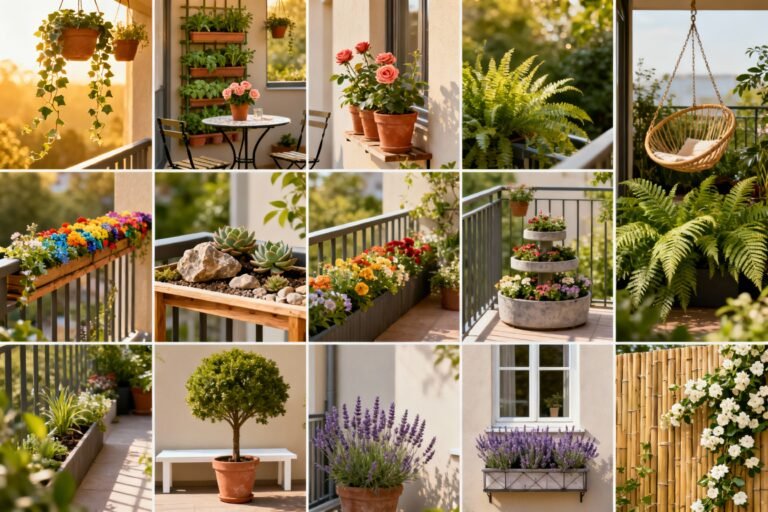
Small Spaces and Balconies Still Count
No yard? No problem.
Containers turn patios into mini Edens.
- Use big pots—the larger the soil volume, the easier the care
- Vertical rigs like wall pockets or railing planters maximize space
- Self-watering containers save your plants during summer weekends away
- Herbs + greens near the door for quick snips while cooking
FYI: Shade-loving greens, mint (in a pot!), and chives thrive on balconies that don’t blast sun all day.
Sample Layouts You Can Steal
Sometimes you just want a blueprint. Here are three quick templates:
4-Bed Starter Garden (20′ x 20′)
- Four 4′ x 8′ raised beds with 2′ paths
- Bed 1: tomatoes + basil on a trellis
- Bed 2: peppers, onions, marigolds
- Bed 3: salad greens, carrots, radishes (succession plant every 2–3 weeks)
- Bed 4: beans on a trellis; understory of dill and nasturtiums
- Compost and tool area near the entrance; hose bib next to it
Pollinator Front Yard (15′ x 25′)
- Curved path to the door
- Drifts of lavender, echinacea, black-eyed Susan, salvia
- Spring bulbs sprinkled through (tulips, daffodils)
- Low evergreen anchors at corners for winter structure
Balcony Bounty
- Two large trough planters for tomatoes on a railing trellis
- Stacked planter tower for strawberries
- Window box with mixed herbs: thyme, parsley, basil
- One shade corner with mint and lettuce (mint jailed in its own pot, of course)
FAQ
How do I plan a garden layout if I’m a total beginner?
Start small. Sketch your space, mark sun exposure, and choose 3–5 plants you actually want to use.
Build one or two beds, add a simple path, and lay drip lines. Keep notes on what thrives and what flops. Next season, adjust.
Iteration beats perfection.
What’s the ideal path material?
Use what fits your style and budget. Mulch feels soft and natural but needs topping up. Gravel drains well and looks tidy but can migrate.
Stepping stones with groundcover like thyme give cottage-core vibes. Just keep paths level and wide enough for easy access.
Can I mix flowers and vegetables in the same beds?
Yes, and you should. Flowers attract pollinators and beneficial insects, and they look great.
Tuck in marigolds, calendula, nasturtiums, and cosmos around veg. Just mind spacing and don’t let the flowers hog the sun.
How close should I put the compost area?
Close enough that you’ll actually use it, but not so close you smell it while sipping coffee. Ten to twenty feet from the main action works for most yards.
Add a stepping stone path so you can reach it after rain without mud skating.
Do I need raised beds, or can I plant directly in the ground?
Both work. If your soil drains well and isn’t compacted or contaminated, in-ground beds are great and cheap. If your native soil struggles, or you want cleaner lines and earlier warmth, go raised.
Either way, feed the soil with compost and keep it mulched.
How do I keep my layout low-maintenance?
Design with simplicity: fewer, larger beds; consistent sizes; drip irrigation; thick mulch; and perennial anchors. Group plants by water needs and keep tools close by. And plant fewer diva plants.
Your weekends will thank you.
Conclusion
Great garden layout isn’t fancy—it’s thoughtful. You map the sun, plan your paths, and place plants where they’ll actually thrive. Add irrigation, mulch like a boss, and use vertical space to cheat the footprint.
Do that, and your garden stops being a chore list and starts being your favorite room outside. IMO, that’s the real glow-up.