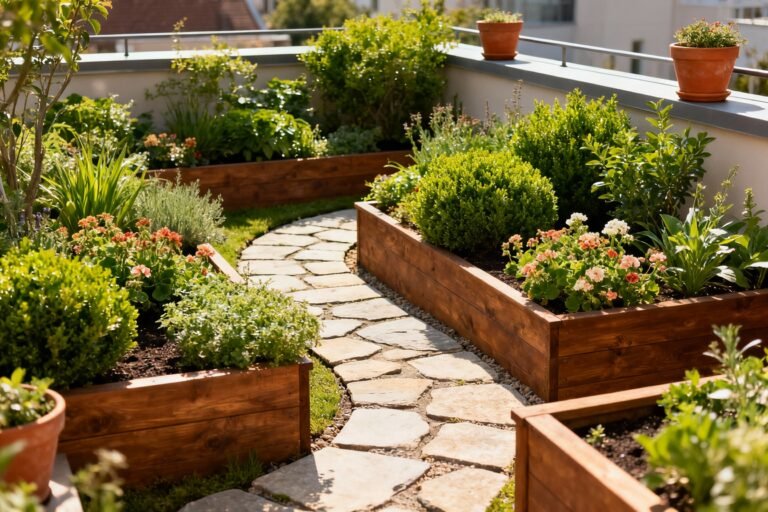
10 Smart Balcony Garden Pest Control Solutions
Your balcony garden looks cute… until aphids turn it into an all-you-can-eat buffet. The good news? You don’t need a hazmat suit or a degree in entomology.
With a few smart tricks, you can defend your green oasis and still enjoy your morning coffee out there. Let’s talk about realistic, low-drama pest control that actually works.
Know Thy Enemy (A Quick Pest Roll Call)
You can’t fix what you don’t recognize. On balconies, the usual suspects show up in waves: aphids, spider mites, whiteflies, mealybugs, fungus gnats, and the occasional caterpillar.
Thrips sneak in too, because of course they do. Spot the signs fast:
- Sticky leaves or sooty mold = aphids or whiteflies
- Fine webbing and speckled leaves = spider mites
- Cottony clumps on stems = mealybugs
- Tiny black flies from the soil = fungus gnats
See it early, fix it early. Wait a week, and you’re hosting a family reunion.
Barrier Methods: Keep the Party Crashers Out
Physical barriers save time and sanity. Think of them as bouncers for your balcony club.
- Insect netting or tulle over planters blocks whiteflies, cabbage moths, and bored neighbors’ cats.
- Copper tape around pots discourages slugs (if your balcony is a slug highway, I have questions).
- Yellow sticky traps catch whiteflies and fungus gnats before they multiply.
Smart Setup Tips
- Raise pots on feet or racks to improve airflow and make pests less comfy.
- Space plants so leaves don’t touch.
Pests love a leafy interstate.
- Quarantine new plants for a week. Trust issues? Absolutely.
Water, Air, and Cleanliness: Your Low-Tech MVPs
Balcony pests thrive when things get dusty, cramped, and dry.
You can fix that without buying anything fancy.
- Rinse leaves weekly with a gentle spray. Knock off aphids and mites like a rainfall would.
- Wipe railings and shelves to remove egg clusters and fallen leaves.
- Bottom water to avoid soggy surfaces that gnats adore.
- Improve airflow with a small fan or better spacing to discourage mildew and mites.
FYI: spider mites hate humidity. A light mist (morning only) slows them down.
Soap, Oil, and DIY Sprays (That Don’t Wreck Your Plants)
You don’t need harsh chemicals.
You need patience and a spray bottle.
- Insecticidal soap melts soft-bodied pests like aphids and mites. Spray tops and undersides of leaves every 5–7 days for 2–3 rounds.
- Neem oil disrupts growth and feeding. Great for whiteflies, thrips, and mealybugs.
Use in the evening to avoid leaf burn.
- Rubbing alcohol swabs zap mealybugs on contact. Dab, don’t drench.
DIY Mix (Gentle but Effective)
- 1 liter water + 1–2 teaspoons mild liquid soap
- Optional: 1 teaspoon neem oil + a few drops of soap as an emulsifier
- Test on one leaf first. If it curls or spots, dilute and try again.
IMO, consistency beats strength.
Light, repeated treatments win.
Companion Planting and Scent Tricks
Pests navigate by smell, so confuse them. Or just make your balcony smell amazing.
- Basil, mint, and rosemary help deter aphids and whiteflies. Also delicious.
- Marigolds and nasturtiums act as decoys and attract beneficial insects.
- Garlic chives and spring onions bring subtle pest resistance to the neighborhood.
Plant Pairings That Work
- Tomatoes + basil + marigolds = fewer aphids and whiteflies
- Peppers + nasturtiums = decoy aphid magnet (sacrifice a few leaves, save the peppers)
- Leafy greens + chives = cleaner salads
Biological Helpers: Let Nature Do the Punching
You can invite tiny garden bodyguards.
They don’t pay rent, but they earn their keep.
- Lacewings love aphids and thrips. Release at dusk and keep plants lightly watered.
- Predatory mites (like Phytoseiulus) demolish spider mites. Works best when you stop spraying oils/soaps for a bit.
- Bacillus thuringiensis (Bt) targets caterpillars without nuking everything else.
Balconies are small ecosystems.
One round of beneficials can stabilize things for weeks if you don’t disrupt them with broad sprays.
Soil Strategy: Starve Fungus Gnats, Don’t Water Them
If tiny black flies greet you every time you step outside, you’ve got fungus gnats. They love wet soil and decaying matter.
- Let the top inch of soil dry between waterings.
- Top-dress with coarse sand or pumice so adults can’t lay eggs easily.
- Use mosquito bits (BTI) soaked in your watering can to target larvae.
- Repot with fresh, sterile mix if the infestation gets wild.
Potting Mix Tweaks
- Choose well-draining soil with perlite or bark.
- Add a thin layer of horticultural charcoal to keep things fresher.
- Clean saucers and avoid standing water. Gnats treat it like a spa.
Routine Scouting: Two Minutes That Save Your Harvest
Make a habit of quick checks.
You’ll catch problems before they escalate.
- Flip a few leaves on each plant every watering day. Look for dots, webbing, or honeydew.
- Rotate pots weekly for even growth and better visibility.
- Prune damaged leaves to remove pests and improve airflow.
Set a reminder. Future you will be thrilled with present you.
10 Smart Balcony Garden Pest Control Solutions (Quick Recap)
- Use insect netting or tulle as a physical barrier.
- Install yellow sticky traps for flying pests.
- Rinse foliage weekly to dislodge pests.
- Spray with insecticidal soap on a schedule.
- Apply neem oil in the evening for persistent infestations.
- Spot-treat mealybugs with rubbing alcohol.
- Companion plant with basil, marigolds, and chives.
- Release beneficial insects or predatory mites.
- Break the fungus gnat cycle with BTI and dry-downs.
- Scout regularly and prune problem areas fast.
FAQs
Will neem oil harm bees or beneficials?
Used correctly, neem oil poses minimal risk.
Spray at dusk when pollinators have clocked out, and aim for leaves (not flowers). Avoid overuse, and skip neem for a week before releasing beneficial insects.
How often should I spray insecticidal soap?
Go every 5–7 days for 2–3 rounds, then reassess. You’re targeting life cycles, not just the adults you see.
If leaves look stressed, dilute more or switch to rinsing and wiping for a week.
What’s the fastest fix for aphids on my peppers?
Blast them off with water, follow with insecticidal soap on all surfaces, and add a basil or nasturtium nearby as a decoy. Toss a yellow sticky trap in the pot for good measure. You’ll see a difference in days.
Are houseplant sprays okay for edibles?
Read the label.
If it doesn’t explicitly say food-safe, skip it for herbs and veggies. Stick to insecticidal soap, neem oil labeled for edibles, BT, and plain-old water rinses. When in doubt, choose the kitchen-friendly route.
Do coffee grounds or cinnamon actually help?
Cinnamon can slow fungus and may annoy gnats a bit, but it won’t solve a full-blown infestation alone.
Coffee grounds? Not a reliable pest control, and they can compact soil. Use BTI, dry-downs, and sand instead.
Should I toss a plant if it’s covered in pests?
If 70% of the plant looks wrecked and pests keep bouncing back, yes—compost or bag it.
You’ll protect your other plants and your sanity. Sometimes the hero move is letting go.
Conclusion
Balcony gardens don’t need complicated pest control—just consistent, smart moves. Block entry, keep things clean, spray gently but regularly, and let a few good bugs do the heavy lifting.
You’ll spend less time firefighting and more time harvesting. IMO, that’s the whole point: more joy, fewer pests, and a balcony you actually want to brag about.