9 Built-in Shelving Ideas For Stunning Plant Displays
Plants make a room feel alive, but a random cluster of pots on the floor just looks… messy. Built-in shelving fixes that in one clean swoop: more light, more structure, more drama. You’ll gain storage without tripping over terracotta, and your plants get a front-row seat to shine.
Ready to turn your walls into a legit indoor jungle display?
Why Built-Ins Make Plant Displays Look Expensive (Without Actually Being)
Built-ins instantly look custom because, well, they are. You design the layout around your plants, your wall, and your windows. That tailored look reads as intentional and high-end. Key perks you’ll love:
- Better light control: You can place shelves right where the sun hits.
- More vertical space: Small footprint, big impact.
- Cleaner lines: No random plant stands cluttering your corners.
- Easier watering: Group plants by needs on dedicated shelves.
1) Window-Wrap Shelves
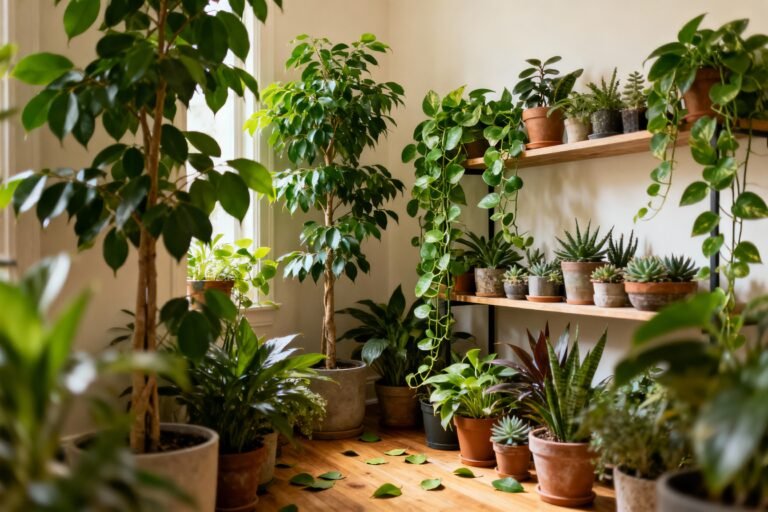
If you have a window with decent light, wrap it with slim shelves from sill to ceiling.
The effect looks architectural and makes even basic pothos feel fancy. Use shallow, 6–8 inch-deep shelves so you don’t block daylight. Pro tips:
- Use metal or painted wood brackets for a minimalist frame.
- Stage trailing plants on the upper shelves to let vines drape around the window.
- Keep leafy, sun-hungry plants closest to the glass; tuck low-light plants on the sides.
Best Plants for Window-Wraps
- String of pearls, string of hearts (they drape like a dream)
- Hoyas and philodendrons (easy, glossy stars)
- Herbs if the window faces east or south (bonus: you’ll actually use them)
2) Built-In Niches With Grow Lights
No south-facing window? No crisis.
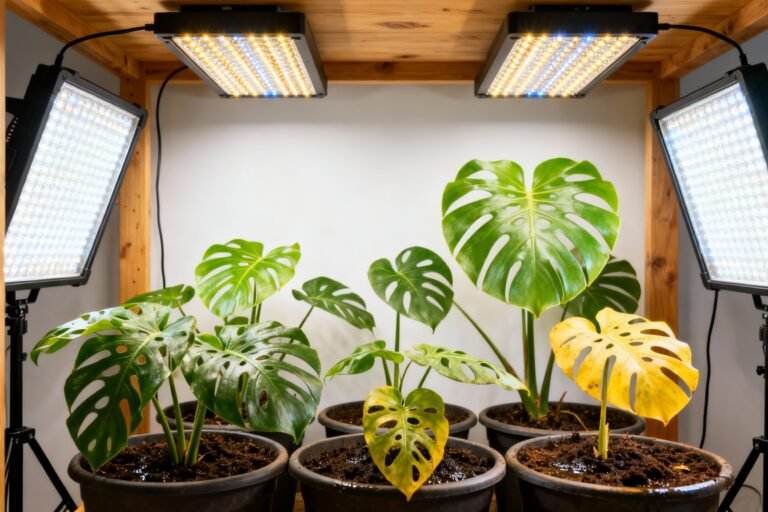
Build shallow wall niches with integrated LED grow strips under each shelf. You’ll get that museum-display glow and your plants won’t sulk from lack of sun. What to include:
- Dimmable, full-spectrum LEDs with a timer—consistency helps growth.
- Matte paint inside the niche to avoid glare and hotspots.
- Ventilation gaps at the back or sides to prevent heat buildup.
Safety and Wiring
Hire an electrician if you’re hardwiring. FYI, moisture and DIY wiring don’t mix.
Use UL-listed fixtures and keep cords hidden behind a removable access panel.
3) The Staircase Plant Gallery
That dead space along your stairs? Turn it into a living gallery wall. Build stepped shelves that echo the rise of your staircase, then layer plants by height and texture. Styling ideas:
- Odd numbers per shelf look balanced (3, 5, 7).
- Mix leaf shapes: feathery ferns next to broad monstera leaves.
- Use uniform pots for cohesion—color or material, your call.
Watering Without Drama
Add a discreet lip at the shelf edge to catch drips.
Keep microfiber cloths and a small watering can nearby. IMO, a little prep beats mopping the stairs every Saturday.
4) Over-the-Door Plant Ledge
The space above a door hides in plain sight. A deep ledge with simple molding turns into a plant runway for trailing varieties.
It draws the eye up and makes ceilings look taller. Great choices:
- Devil’s ivy and philodendron brasil
- English ivy (if you want traditional cottage vibes)
- Rhipsalis and trailing peperomia for quirky texture
5) Bookcase-Plant Hybrids
You don’t need a plant room. Just integrate plants into a built-in bookcase and let them mingle with your favorite titles. Alternate shelves: books, plants, storage baskets, repeat. Make it work:
- Waterproof trays under pots to protect wood.
- Up-lighting behind books to create a soft glow at night.
- Pick compact plants like ZZs, snake plants, and peperomias.
Layout Formula
Think 60/30/10: 60% books and decor, 30% plants, 10% open space.
The negative space lets your plants breathe (and your eyes, too).
6) Corner Tower Shelves
Corners feel awkward—until you add a custom tower of triangular shelves. You’ll maximize vertical real estate and make a cozy plant moment with just a few square feet. Build notes:
- Use 12–14 inch vertical spacing for medium plants.
- Anchor into studs—plants get heavy when watered.
- Paint the wall and shelves the same color for a seamless look.
7) Kitchen Splashback Ledge
Add a slim ledge or two above the backsplash for herbs and small succulents. You’ll cook better when basil stares at you.
Keep it shallow so it doesn’t crowd your workspace. Pro move: Use a water-resistant surface like sealed oak, stone, or powder-coated metal. Bonus points for a hidden rail to keep pots from tipping when you’re whisking like a maniac.
Herb Lineup That Thrives Indoors
- Basil (east or south light), thyme, oregano
- Chives and mint (mint grows like it pays rent)
- Dwarf rosemary with good airflow
8) Bedroom Headboard Alcoves
Built-in cubbies on either side of your headboard add softness and calm. Use plants that release oxygen at night and won’t drop soil in your sheets—because that’s a vibe killer. Try these:
- Snake plant (low light champ)
- Aloe (bonus: skincare emergencies)
- Peace lily for glossy leaves and easy blooms
Keep It Healthy
Add a quiet fan or leave room for airflow.
Wipe leaves monthly to reduce dust—clean leaves absorb more light. FYI, leave scented plants out if you’re sensitive at night.
9) Floating Shelf Grid Wall
Create a symmetrical grid of floating shelves on a big blank wall. Keep spacing consistent and go for a mix of hanging and upright plants.
The grid gives structure; the plants bring the wild. Design cheats:
- Stick to two pot colors max for cohesion.
- Vary height and texture on each shelf so it doesn’t feel stiff.
- Use command hooks underneath to hang mini planters without extra holes.
Materials, Maintenance, and Little Details That Matter
You’ll thank yourself later if you plan for mess and moisture. Plants look cute; water stains don’t. Smart materials:
- Sealed hardwood or marine-grade plywood for durability.
- Powder-coated steel for a sleek, industrial vibe.
- Tile or stone toppers for high-splash zones (kitchens, baths).
Maintenance hacks:
- Use self-watering inserts inside decorative pots to reduce spills.
- Group plants by water needs—cacti and calatheas do not want the same schedule, IMO.
- Rotate plants quarterly to even out growth and prevent lean.
Lighting Cheat Sheet
- South/east windows: bright-light lovers like fiddle leaf fig, citrus, hoya.
- North/west: pothos, ZZ, philodendron, cast iron plant.
- No window? Go artificial with full-spectrum LEDs at 12–18 inches above plants.
Styling: Make It Lush Without the Chaos
You want “cool botanical collector,” not “garden center exploded.” Curate the scene. Quick styling rules:
- Repeat pot styles across the wall for a pulled-together look.
- Layer heights: tall at the back, trailing up high, smalls at eye level.
- Mix 70% green foliage with 30% variegated or colorful plants for balance.
Accessories That Elevate
- Small framed art or mirrors tucked between plants
- Neutral baskets for tools and extra soil
- Mini stools or risers to vary levels on the same shelf
FAQ
How do I prevent water damage on wooden built-ins?
Seal shelves with a durable, water-resistant finish and use trays under every pot.
Add felt pads under trays to avoid condensation marks. Wipe spills immediately and keep a microfiber cloth on the shelf—visible = used.
Do I need special grow lights, or will any LED do?
Use full-spectrum LEDs designed for plants. They hit the wavelengths that drive photosynthesis, and your plants won’t get leggy.
Set them on a 10–12 hour timer for consistency, FYI.
What’s the best shelf depth for most houseplants?
Aim for 8–10 inches for small to medium pots. Go 12 inches for big boys like monsteras or larger ceramic planters. Keep window-adjacent shelves shallower so you don’t block light.
How do I keep shelves from looking cluttered?
Pick a cohesive pot palette and leave blank space on each shelf.
Use odd-number groupings and vary heights for rhythm. Edit often—if a plant struggles, relocate it instead of forcing the look.
Which plants are truly low-maintenance for built-ins?
ZZ plant, snake plant, pothos, philodendron, and cast iron plant. They tolerate variable light and the occasional missed watering (we’ve all been there).
Start with these, then add divas later.
Can I put plants in a bathroom built-in?
Absolutely—many love humidity. Ferns, pothos, and philodendrons thrive there. Just make sure the bathroom has a window or add grow lights, and keep air moving to prevent mold.
Conclusion
Built-in shelves transform plants from “cute decor” into a full-on feature wall.
Pick a zone with decent light, choose materials that handle moisture, and plan your layout with purpose. Start with one section—window wrap, corner tower, or a grid—and watch your space level up fast. Your plants will glow, and your home will feel curated, not cluttered.
IMO, that’s the sweet spot.