8 Fixes For Nutrient Competition In Small Gardens
Your small garden can feel like a crowded subway at rush hour—everyone’s pushing, nobody’s sharing, and your plants look like they need a nap. Nutrient competition happens when plants fight for the same slice of soil pie. The result?
Slow growth, weak harvests, and a whole lot of gardener side-eye at innocent tomato plants. Let’s fix that so your beds stop acting like a reality show and start acting like a team.
Know Your Soil First (Then Fix It)
You can’t solve nutrient competition if you don’t know what’s missing. Start with a simple soil test.
Your local extension office or a basic home kit will tell you if you need nitrogen, phosphorus, potassium, or just a hug. What to do next:
- Add compost—lots of it. Compost buffers mistakes, feeds microbes, and improves structure. Aim for 1-2 inches on top every season.
- Balance amendments, don’t dump them. Bone meal for phosphorus, blood meal for nitrogen, greensand or rock dust for trace minerals—only if your test calls for them.
- Topdress regularly. A light compost sprinkle midseason keeps nutrients steady without overwhelming roots.
Quick win: Mulch smarter
Organic mulch (leaves, straw, shredded bark) slows nutrient loss and keeps roots comfy. FYI, wood chips on the surface do not “steal” nitrogen from deep roots—they tie up nitrogen only in the top inch while they break down.
Still, keep chips off seed rows.
Space Plants Like You Mean It
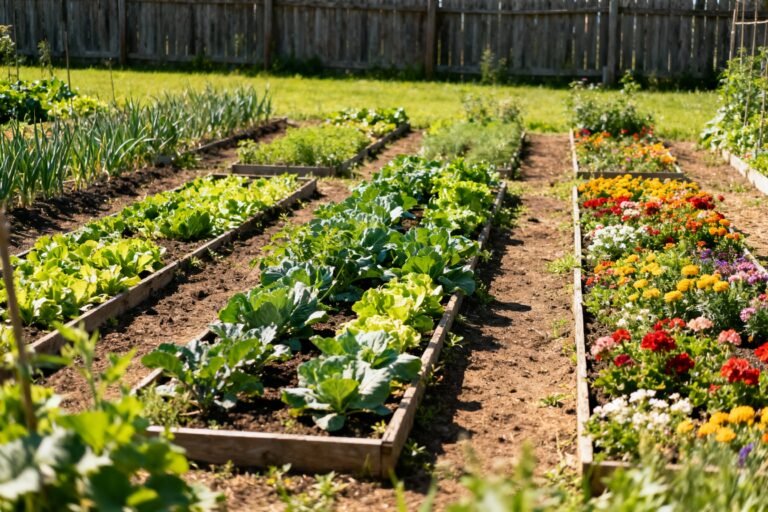
Cramming plants together might look lush on Instagram, but their roots wage war underground. Overcrowding creates nutrient bottlenecks and invites disease. Simple spacing rules:
- Follow the seed packet, then give an extra inch if your soil runs lean.
- Stagger rows (offset planting) to spread root zones.
- Thin ruthlessly. Snip extra seedlings at the base. Don’t yank—save those roots from trauma.
Vertical = less competition
Train cucumbers, peas, and small melons up trellises.
You free up root space and air flow. Plus, it looks fancy for almost no effort.
Companion Plant Like a Matchmaker
Some plants share nicely; others behave like nutrient hoarders. Pair plants with different appetites and root styles so they don’t raid the same pantry shelf. Smart combos:
- Deep + shallow roots: Pair tomatoes (deep) with basil or lettuce (shallow).
They sip from different layers.
- Heavy feeders + light feeders: Corn with beans (beans add nitrogen) and squash as a living mulch. The classic Three Sisters exists for a reason.
- Aromatics as bodyguards: Onions and chives deter pests, reducing stress so plants use nutrients for growth, not survival.
What to avoid
Tomatoes with potatoes? Hard pass.
Brassicas (kale, broccoli, cabbage) with heavy feeders like corn? Not ideal in small beds—both gobble nitrogen like it’s free chips.
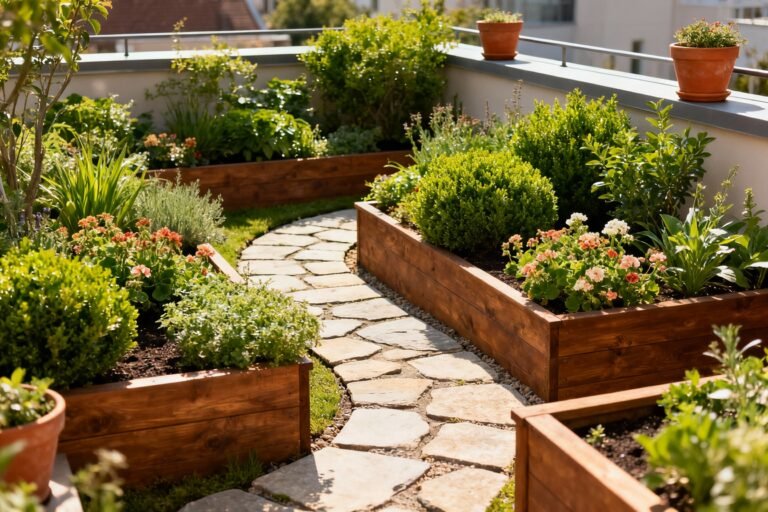
Use Raised Beds and Defined Root Zones
If your in-ground soil runs poor or compacted, raised beds turn chaos into control. Better drainage, warmer soil, and you decide what goes in. Pro tips:
- Use a structured mix: 40% compost, 40% topsoil, 20% aeration (pumice or coarse sand).
Avoid peat-heavy bagged mixes for outdoor beds—too spongy, dries weird.
- Grid your bed with twine or boards to mentally divide root space. Square-foot gardening isn’t just cute; it works.
- Root barriers (even a simple plastic divider) can keep aggressive mint or raspberries from mugging nearby veggies.
Feed Intelligently, Not Generously
Overfertilizing causes more competition, not less. Plants explode with leaf growth, then crash when nutrients run out. Better feeding strategy:
- Slow-release base, fast-release touch-ups. Mix compost at planting.
Use fish emulsion or seaweed foliar spray when plants show light deficiency.
- Micro-dosing beats mega-feeding. Apply small amounts every 2-3 weeks during peak growth. IMO, this keeps everyone chill.
- Target heavy feeders. Tomatoes, corn, squash, brassicas—feed these directly instead of blanket-feeding the whole bed.
Watch the leaves
Yellowing older leaves? Likely nitrogen.
Purplish stems/leaves? Phosphorus. Interveinal chlorosis on new leaves?
Iron. Fix the issue, don’t carpet-bomb the soil.
Cover Crops: Your Off-Season Secret Weapon
A bare bed leaks nutrients like a bad roof. Cover crops catch, store, and later release them—plus they outcompete weeds. Small-garden-friendly picks:
- Crimson clover or vetch: Adds nitrogen, feeds pollinators.
- Winter rye: Scavenges leftover nutrients and builds structure.
- Buckwheat: Fast summer cover that mobilizes phosphorus.
How to use them:
- Sow when a bed finishes.
- Chop and drop 2-3 weeks before planting to allow decomposition.
- Don’t till deep—let roots rot in place to create channels and feed microbes.
Water Right to Move Nutrients Right
Water carries nutrients.
Too little and roots can’t absorb. Too much and you flush nutrients away. Dial it in:
- Drip irrigation or soaker hoses deliver steady moisture right at the root zone.
- Water deeply, less often. Aim for 1 inch per week, more during heat waves.
- Mulch again (yes, again). It evens out the moisture, which evens out nutrient uptake. Win-win.
Don’t let containers dry out
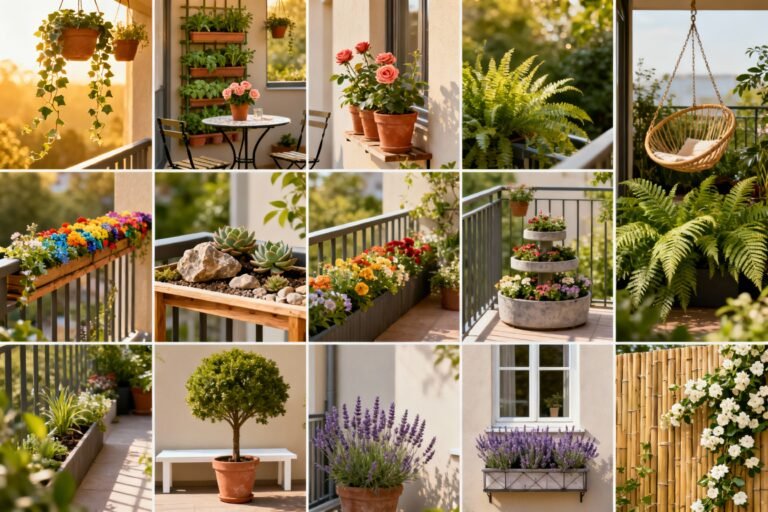
If you grow in pots, mix in coco coir for moisture retention and fertilize lightly every 10-14 days.
Container soil leaches nutrients faster than garden beds—like, way faster.
Prune, Harvest, and Cull Like a Pro
Extra leaves and suckers eat nutrients that could fatten fruit. Also, keeping struggling plants in the bed because you “feel bad” helps no one. Plants don’t read sympathy cards. Do this regularly:
- Prune tomatoes to 1-2 main stems and remove lower leaves touching soil.
- Harvest greens aggressively. Taking outer leaves directs energy into new growth.
- Remove sick or stunted plants. Free up nutrients for the winners.
FYI, this instantly improves airflow and morale (yours).
FAQ
How do I tell if my plants are competing for nutrients or just underwatered?
Check the soil first. If it’s dry 2 inches down, water deeply and recheck in 48 hours. If leaves stay pale or growth stalls even with good moisture, you likely have nutrient issues.
A quick, targeted feed or compost topdress usually perks plants up if competition caused the problem.
Can I use coffee grounds to reduce competition?
Use them as a small part of your compost, not as a magic fix. Coffee grounds provide nitrogen as they break down, but they can clump and repel water if you pile them on. Mix lightly into compost or mulch thinly—no thick carpets.
Do I need to rotate crops in a tiny garden?
Yes, even a little rotation helps.
Swap heavy feeders (tomatoes, corn, brassicas) with legumes or light feeders each season. Rotation reduces specific nutrient drain and interrupts pest cycles. In tight spaces, rotation + compost + cover crops = your best trio.
What’s the best fertilizer schedule for small beds?
Start with compost at planting.
Then micro-dose with a balanced organic liquid every 2-3 weeks during active growth. Target heavy feeders more often, and stop feeding leafy greens 1-2 weeks before harvest to avoid bitter flavors. Adjust based on how your plants look; they will rat you out if you overdo it.
Are my wood-chip paths stealing nutrients from the beds?
Not if they’re on top of the soil and outside the beds.
Decomposition uses nitrogen at the surface only. If you mix chips into your planting zone, that’s when tie-up happens. Keep chips as paths or surface mulch and you’re golden.
Which plants are the worst nutrient bullies?
Corn, tomatoes, squash, and brassicas act like they’re prepping for the Olympics.
Give them extra compost and space. Pair them with herbs or legumes, not with other nutrient hogs. IMO, separating bullies from the rest keeps your garden drama-free.
Conclusion
Nutrient competition doesn’t have to turn your small garden into a gladiator pit.
Test and feed the soil, space wisely, mix plant types, and keep moisture steady. Add cover crops in the off-season and prune with confidence. Do those eight fixes, and your plants will stop brawling and start producing—no mediator required.