9 Things Smart Gardeners Never Buy
You don’t need a cart full of shiny gadgets to grow incredible plants. Most “must-have” garden products just overcharge you for stuff you can make, reuse, or skip entirely. Smart gardeners keep their money for good soil and great seeds—and laugh quietly at the aisle of impulse buys.
Ready to ditch the fluff and grow more with less?
Soil in a Bag (When You Can Make or Hack It)
Bagged soil costs a fortune for what you get. You can build better soil for less with compost, leaves, and a little patience. Want fast results?
Blend what you have.
- Base mix: 1 part compost, 1 part coconut coir or peat, 1 part perlite/pumice.
- Boost it: Add a handful of worm castings and a dusting of rock dust.
- For raised beds: Try the lasagna method—layers of cardboard, leaves, grass clippings, and compost.
FYI: Compost Doesn’t Need to Be Fancy
You don’t need a tumbler or a PhD. Pile brown stuff (leaves, cardboard) with green stuff (kitchen scraps, grass), keep it damp, and turn it when you remember. Nature does the rest.
Single-Use Plastic Seed Trays
Those flimsy trays crack by week three and end up in the trash.
Smart gardeners reuse containers and avoid waste.
- Egg cartons, yogurt cups, takeout clamshells: Poke drainage holes and boom—seed starting kit.
- Soil blocks: No plastic, stronger roots, less transplant shock.
- Durable plug trays: If you buy, get sturdy trays you’ll keep for years.
Label Like You Mean It
Skip the plastic markers that fade. Use wooden popsicle sticks, aluminum can tags, or a grease pencil on the tray. Your future self will thank you.
Miracle Chemicals for “Instant Growth”
If a bottle promises explosive growth in a week, your plants might pay for it later.
Most gardens thrive on simple, slow-release nutrients.
- Use compost and worm castings: They feed soil life, which feeds your plants.
- Organic fertilizers: Fish emulsion, kelp, alfalfa meal—gentle and effective.
- Top-dress and mulch: It’s like a buffet your plants can nibble from all season.
IMO: Healthy Soil Beats Any “Magic Formula”
Quick fixes create dependence. Build the soil, and your plants won’t need a pep talk every watering.
Peat Moss (There’s a Better Option)
Peat stores carbon and grows painfully slow. We can do better. Coconut coir works almost the same, and it’s renewable.
- Swap ratios: Use coir 1:1 for peat in seed starting or potting mixes.
- Buffer coir: Rinse and add a bit of calcium-magnesium if you’re picky.
- Mix with compost: Coir holds moisture; compost brings nutrients and microbes.
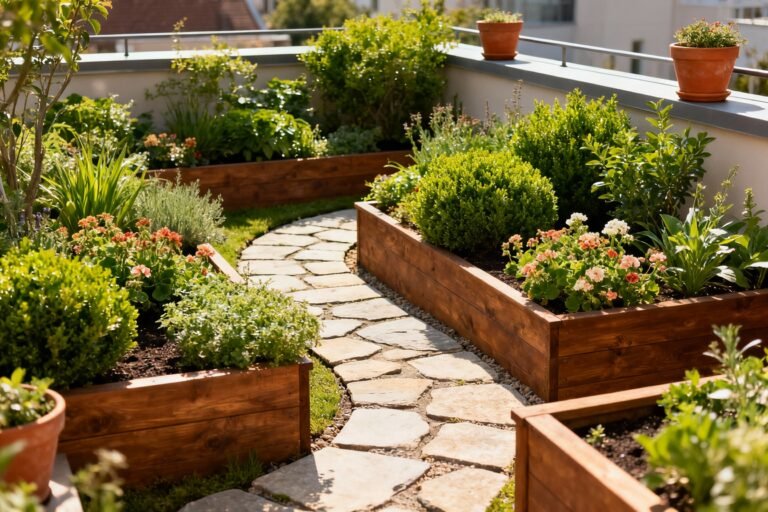
Pre-Made Raised Bed Kits
Are they pretty?
Sure. Are they overpriced? Also yes.
Build your own for a fraction of the cost and make it fit your space.
- Cedar boards + deck screws: Simple, durable, and customizable.
- Corrugated metal + 2×4 frame: Modern look, long life.
- Repurpose: Old pallets (heat-treated only), stock tanks, or brick edges.
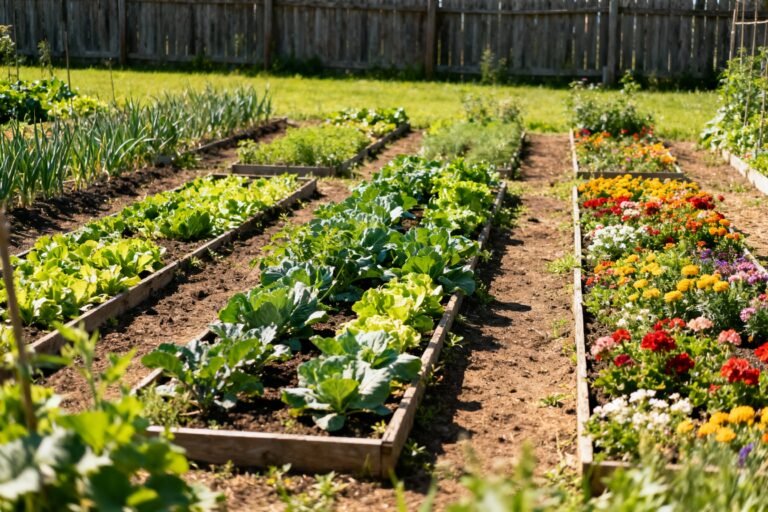
Size That Actually Works
Keep beds around 4 feet wide so you can reach the center without stepping in. Depth? 10–12 inches grows almost everything, 18 inches if you want deep-rooted crops.
Fancy Watering Gadgets
If your watering tool looks like a spaceship, it probably wastes water. Smart gardeners keep it simple and consistent.
- Drip irrigation or soaker hoses: They deliver water to roots, not pathways.
- Mulch: Reduces evaporation and cuts watering by a ton.
- Rain barrels: Free water, less runoff—win-win.
Quick Watering Tips
Water deeply, not daily.
Morning beats evening (less disease). If the top inch feels dry, it’s time for a drink. That’s the whole secret.
“Plant-Specific” Tools You’ll Use Twice
You don’t need a tomato trellis gizmo, a kale harvester, and a lettuce-coring wand.
You need a few heroes that do almost everything.
- Bypass pruners: For clean cuts on live stems.
- Hori-hori or hand trowel: Planting, weeding, dividing—done.
- Sturdy hoe or stirrup weeder: Fast weed control with less effort.
- Gloves that actually fit: Because blisters are not a personality trait.
Herbicides and Harsh Pesticides
Spraying everything in sight nukes the good bugs along with the pests. Then you get more pests—because their predators vanished. It’s a vicious cycle.
- Go integrated: Hand-pick, trap, and encourage beneficial insects.
- Use targeted sprays: Insecticidal soap or neem only when necessary.
- Healthy plants resist attacks: Good soil, proper spacing, and airflow matter more than most sprays.
FYI: Not All “Organic” Is Automatically Gentle
Even organic products can harm bees or beneficials.
Read labels, spray at dusk, and avoid blooming plants when you treat.
Out-of-Season Starts You Could Sow Yourself
Buying six-packs of basil in July? That’s money you could put toward literally anything else. Seeds cost pennies, and you can time successions for a steady harvest.
- Start indoors: Tomatoes, peppers, brassicas—easy with a sunny window and a cheap light.
- Direct sow: Radishes, peas, beans, squash—fast and satisfying.
- Succession plan: Sow small batches every 2–3 weeks for continuous crops.
IMO: Seed Starting Is the Most Fun Part
Watching tiny green aliens emerge from soil never gets old.
Plus, you get way more varieties than the garden center carries.
FAQ
What should I actually splurge on?
Quality hand tools, a good hose with solid brass fittings, and sharp pruners. Also splurge on compost if you can’t make enough, and seeds from reputable sources. These pay off for years.
How do I build soil if I don’t have much space?
Vermicompost under the sink with a worm bin, save autumn leaves in bags for browns, and top-dress containers with compost every few weeks.
Use mulch on everything. Even a small continuous trickle of organic matter transforms container soil.
Are store-bought seed-starting mixes ever worth it?
Sometimes. If you’re new or starting a big batch of tricky seeds, a sterile seed-starting mix can prevent damping-off.
You can still stretch it by mixing in your own coir and perlite to cut costs.
What’s the simplest pest control plan?
Scout weekly. Smash what you can, hose off aphids, and only spray targeted products if damage keeps climbing. At the same time, plant flowers like alyssum, dill, and calendula to attract lacewings and lady beetles.
Prevention beats panic.
Do I need grow lights?
If you start seeds earlier than your daylight allows, yes. A basic LED shop light 2–4 inches above seedlings works great. Set a timer for 14–16 hours and raise the light as plants grow.
No need for specialty “purple” lights unless you like the nightclub vibe.
How do I water less without killing everything?
Mulch 2–3 inches deep, water deeply once or twice a week, and focus on mornings. Add compost to improve water retention, and group thirsty plants together. Drip irrigation plus mulch can cut your water use dramatically.
Wrap-Up: Grow Smarter, Spend Less
You don’t need the latest gadget or a boutique soil blend to grow an amazing garden.
Skip the stuff that overpromises and invest in soil, seeds, and simple tools. Build good habits—mulch, compost, water wisely—and your plants will flex without the fluff. Smart gardeners let the harvest do the bragging.