9 Best Pots For Monstera Plants To Boost Growth And Style
Monstera plants don’t ask for much: bright light, the occasional pep talk, and a pot that won’t drown their roots. Choose the right container and your monstera responds with bigger leaves, bolder fenestrations, and that jungle vibe you bought it for. Choose badly and…hello root rot.
Let’s set you up with pots that boost growth and actually look good in your space.
What Your Monstera Wants From a Pot
Monsteras like airflow, quick drainage, and room to stretch out. Their roots grow fast, and they hate sitting in soggy soil. You also need a pot that supports a moss pole or stake when your plant decides to climb like it owns the place.
- Drainage holes: non-negotiable. No holes, no deal.
- Breathable material: terracotta or unglazed ceramic help prevent overwatering.
- Weight and stability: large leaves act like sails.
Heavier pots = fewer “oops” moments.
- Right size: size up only 1–2 inches wider than the current pot.
9 Best Pots for Monstera Plants (Growth + Style)
Here are nine tried-and-true options to keep your plant thriving and your shelf looking chic.
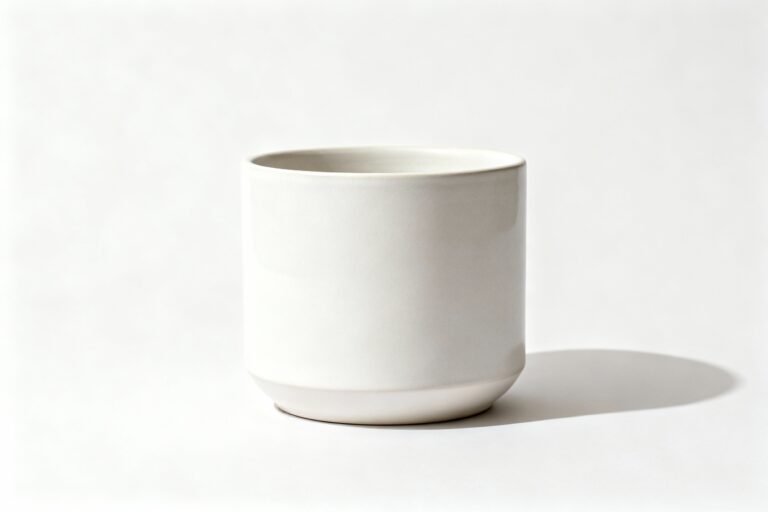
1. Large Ceramic Pot with Drainage (10-14 inches)
Why It’s Best:
- Classic choice that never goes out of style
- Glazed finish retains moisture longer (good for consistent watering)
- Heavy, stable base prevents tipping as Monstera grows tall
- Wide range of colors and styles to match any decor
Key Features:
- Drainage holes (non-negotiable!)
- Matching saucer to catch excess water
- Smooth, easy-to-clean surface
- Durable and long-lasting
Best For:
- Established Monstera (2-4 feet tall)
- Indoor display in living rooms or offices
- Plant parents who want low-maintenance watering
Price Range: $25-$80 depending on size and brand
Pro Tip: Choose white or light grey for minimalist decor, or bold colors (navy, sage, terracotta) for statement pieces.
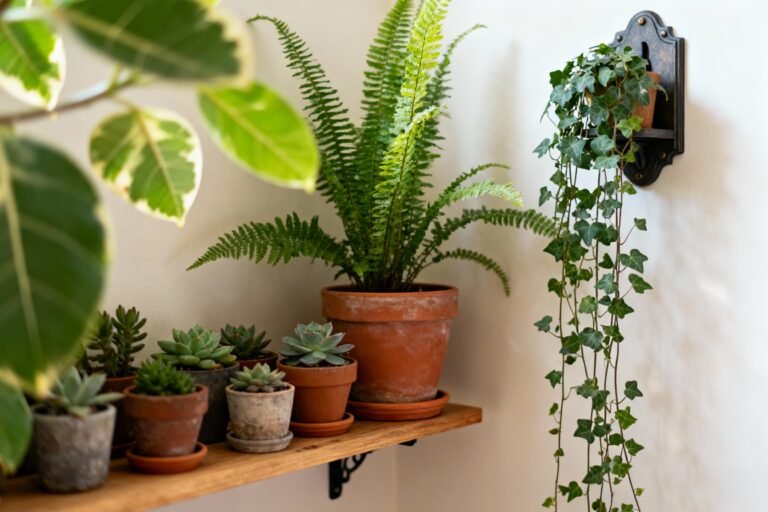
2. Terracotta Clay Pot (Natural Orange-Brown)
Why It’s Best:
- Breathable, porous material allows air and moisture exchange
- Excellent drainage prevents overwatering and root rot
- Natural moisture regulation (clay absorbs excess water, releases slowly)
- Affordable and widely available
Key Features:
- Unglazed surface (the porous quality is the benefit)
- Classic orange-brown color with natural variations
- Drainage hole in bottom
- Develops beautiful patina over time (mineral deposits, moss)
Best For:
- Plant parents prone to overwatering
- Dry climates or heated homes
- Bohemian, rustic, or natural decor styles
- Budget-conscious plant lovers
Price Range: $8-$30 depending on size
Pro Tip: Terracotta dries out faster than ceramic, so you’ll need to water more frequently. Soak new terracotta pots in water before first use to prevent them from absorbing too much moisture from soil.
3. Modern Concrete Planter (Industrial Grey)
Why It’s Best:
- Industrial, minimalist aesthetic perfect for modern homes
- Heavy, stable base ideal for large, top-heavy Monstera
- Durable and long-lasting (won’t crack or chip easily)
- Neutral grey color complements any plant color
Key Features:
- Textured or smooth finish options
- Drainage holes essential (some concrete pots lack them—drill if needed)
- Thick walls provide insulation for roots
- Geometric or cylindrical shapes
Best For:
- Large, mature Monstera (4-6 feet tall)
- Modern, industrial, or Scandinavian decor
- High-traffic areas where stability is important
- Plant parents who want a statement piece
Price Range: $40-$150 depending on size
Pro Tip: Concrete is porous like terracotta but heavier. Seal the interior with waterproof sealant to prevent moisture loss and extend pot life.
4 Liner (Natural Fiber)
Why It’s Best:
- Bohemian, natural aesthetic adds warmth and texture
- Lightweight and portable easy to move for cleaning or rearranging
- **Affordable decorides plain nursery pots
- Variety of weave patterns (seagrass, jute, rattan, water hyacinth)
Key Features:
- Waterproof plastic liner (essential to prevent water damage)
- Handles for easy carrying (on some styles)
- Natural tan, honey, or whitewashed colors
- Textured, tactile surface
Best For:
- Bohemian, coastal, or farmhouse decor
- Renters who want non-permanent decor
- Plant parents who like to change pot styles seasonally
- Hiding plain nursery pots
Price Range: $15-$50 depending on size and material
Pro Tip: Use a plastic nursery pot with drainaged material
Pro Tip: Use a plastic nursery pot with drainage inside the basket, sitting on a saucer. This allows proper drainage while protecting the basket from water damage.
5. Self-Watering Pot (Built-in Reservoir)
Why It’s Best:
- Built-in water reservoir reduces watering frequency
- Wicking system delivers consistent moisture to roots
- Good for busy plant parents or frequent travelers
- Prevents overwatering (when used correctly)
Key Features:
- Two-part system (innericking mechanism, outer reservoir)
- Water level indicator shows when to refill
- Drainage overflow prevents waterlogging
- Modern, sleek designs
Best For:
- Busy professionals or frequent travelers
- Consistent moisture delivery
- Preventing underwatering stress
- Modern, minimalist decor
Price Range: $30-$100 depending on size and brand
Pro Tip: Monitor reservoir levels carefully—Monstera prefers soil to dry slightly between waterings. Don’t keep reservoir constantly full, or you risk root rot. Fill reservoir only when soil surface is dry.
6. Fiberglass Lightweight Pot (Looks Like Ceramic/Concrete)
Why It’s Best:
- Looks like ceramic or concrete but much lighter weight
- Easy to move even when filled with soil and large plant
- Durable and weather-resistant (won’t crack from frost)
- Wide range of finishes (matte, glossy, textured)
Key Features:
- Lightweight construction (1/10th the weight of concrete)
- Drainage holes (usually included)
- **UV or outdoor use
- Available in large sizes without excessive weight
Best For:
- Large, mature Monstera that need to be moved occasionally
- Upper-floor apartments (weight considerations)
- Plant parents with mobility limitations
- Indoor/outdoor flexibility
Price Range: $50-$200 depending on size
Pro Tip: Fiberglass is ideal for large Monstera (14-16 inch pots) that would be too heavy to move in ceramic or concrete. Choose textured finishes for the most realistic look.
7. Nursery Pot in Decorative Cover (Flexible Option)
Why It’s Best:
- Most affordable option (use existing nursery pot)
- Easy to change decor seasonally or with room redesign
- Ensures proper drainage (nursery pots always have holes)
- Swap covers without repotting plant
Key Features:
- Plain plastic nursery pot (usually black or terracotta-colored)
- Decorative cover (cachepot) in any style
- Cover slightly larger than nursery pot
- No drainage in cover (acts as saucer)
Best For:
- Budget-conscious plant parents
- Renters who want flexibility
- Plant parents who like to change decor frequently
- Beginners learning proper watering
Price Range: $5-$40 for decorative covers
Pro Tip: After watering, let plant drain completely in sink or tub before returning to decorative cover. This prevents water from pooling in the cover and causing root rot.
8. Wood or Bamboo Planter (Natural, Organic)
Why It’s Best:
- Natural, organic aesthetic brings warmth to space
- Sustainable, eco-friendly choice (renewable materials)
- Unique grain patterns make each pot one-of-a-kind
- Warm texture complements green foliage beautifully
Key Features:
- Waterproof liner required (wood rots when constantly wet)
- Natural wood tones (light pine to dark walnut)
- Slatted or solid construction
- Legs or feet for airflow underneath
Best For:
- Natural, organic, or Scandinavian decor
- Eco-conscious plant parents
- Adding warmth to minimalist spaces
- Outdoor patios or balconies (with proper sealing)
Price Range: $30-$120 depending on size and wood type
Pro Tip: Use a plastic liner or nursery pot inside the wood planter to protect the wood from moisture damage. Treat wood with waterproof sealant if using outdoors.
9. Monstera Pot with Built-in Moss Pole or Trellis
Why It’s Best:
- Supports climbing growth (Monstera’s natural habit)
- Integrated support system (no need to ad later)
- Encourages larger leaves (climbing Monstera produce bigger, more fenestrated leaves)
- Ideal for mature plants ready to climb
Key Features:
- Moss pole, c coir pole, or trellis built into pot
- Sturdy construction to support heavy vines
- Drainage holes in pot base
- Tall design (18-36 inches) for vertical growth
Best For:
- Mature Monstera (3+ feet tall) ready to climb
- Maximizing vertical space in small rooms
- Encouraging larger, more dramatic leaves
- Plant parents committed to long-term Monstera care
Price Range: $50-$150 depending on size and pole type
Pro Tip: Train Monstera vines onto pole using soft plant ties or velcro strips. Mist moss pole regularly to encourage aerial roots to attach. As plant grows, you can extend pole by adding sections.
Size Matters (And Yes, You Can Overdo It)
Resist the urge to jump three sizes up. A massive pot holds extra soil that stays wet too long. That’s the fast lane to mushy roots and heartbreak.
- Repot only when roots circle the bottom or poke out of the drain holes.
- Choose a pot 1–2 inches wider than the current one for tabletop plants; 2–3 inches for floor plants.
- Going heavy?
Add pot feet or a caddy with wheels. Your back will thank you.
Soil and Drainage: The Pot Can’t Do It Alone
You picked a great pot—now pair it with the right mix. Monsteras live their best life in a chunky, airy substrate.
- Ideal mix: 40% high-quality potting soil, 30% orchid bark, 20% perlite or pumice, 10% coco coir.
Toss in a handful of horticultural charcoal if you’re fancy.
- Layering myth: No “rocks at the bottom.” Use a mesh screen over the hole if soil falls out.
- Watering tip: Water thoroughly until it drains. Empty the saucer. No swamp vibes.
Support Systems: Poles, Trellises, and Stability
As your monstera matures, it grows aerial roots and wants to climb.
Give it something to hug.
- Moss poles: Keep them moist so aerial roots attach. Secure the pole to the pot or wedge it during repotting.
- Coco coir poles: Lower maintenance than sphagnum; still great grip.
- Stability: Use a heavier pot or add gravel at the bottom of a cachepot only (not the growing pot) to prevent tipping.
Best Pots for Monsteras with Poles
- Concrete/fiberstone for weight and clean lines.
- Wide terracotta to anchor the pole and dry evenly.
- Nursery pot inside a cover so you can adjust the pole placement easily.
Style Picks for Every Room
Let’s be real—you want growth and good vibes. These combos nail both.
- Scandinavian minimal: White glazed ceramic cachepot + black nursery pot.
Clean, bright, photogenic.
- Japandi calm: Unglazed stoneware in sand tones + wooden stand. Earthy and understated.
- Industrial loft: Fiberstone or concrete on a low metal stand. Drama without the drama.
- Cozy boho: Terracotta inside a woven basket cover.
Add a jute rug and you’re set.
Color and Finish Tips
- Matte finishes hide water spots better than glossy.
- Darker pots warm up faster in sunlight—watch your watering schedule.
- Textured surfaces make big leaves look even more sculptural. Science? Maybe.
Vibes? Definitely.
How to Repot Without Stress (Yours or the Plant’s)
New pot day doesn’t need to end in soil everywhere and one dramatic leaf drop.
- Water lightly the day before so roots slide out easier.
- Loosen roots gently; trim dead, black, or mushy bits.
- Set your pole first if you use one, then backfill with your airy mix.
- Pot so the crown sits at the same height as before.
- Water thoroughly and place in bright, indirect light. Skip fertilizer for 2–3 weeks.
FAQ
What size pot should I use for a young monstera?
Go one size up from the current pot—usually 1–2 inches wider.
Your plant wants a little wiggle room, not a swimming pool. Oversizing keeps soil wet for too long and slows growth.
Are drainage holes absolutely necessary?
Yes. Without holes, water sits at the bottom and suffocates roots.
If you love a pot without holes, use it as a cachepot and keep your monstera in a plastic nursery pot with proper drainage inside.
Is terracotta better than plastic?
Different strengths. Terracotta breathes and helps prevent overwatering. Plastic holds moisture longer and weighs less, which helps in dry climates or for large plants you move often. IMO, terracotta wins for beginners.
How do I stop my monstera from tipping over?
Use a heavier pot like concrete or fiberstone, choose a wider shape, and secure any pole into the root zone. You can also place the nursery pot inside a heavy cachepot with some weight at the bottom.
Problem solved and it looks good.
Can I keep my monstera in a self-watering pot?
Yes, but choose one with an aeration insert and use a chunky mix. Monitor the reservoir; let it run low occasionally to avoid constant saturation. If the leaves look droopy and the soil feels heavy, back off on water.
Do monsteras prefer deep or wide pots?
They appreciate a bit of both, but slightly wider pots usually work best as the plant matures and spreads.
Deep pots can work if you’re supporting a tall pole—just ensure excellent drainage and airy soil.
Conclusion
The right pot does more than look cute—it drives healthier roots, faster growth, and fewer watering woes. Pick for function first (drainage, breathability, stability), then style it up with covers and stands. Do that and your monstera will repay you with giant leaves and serious main-character energy.
FYI, your friends will ask for cuttings—start a waitlist now.