9 Ways To Maintain Proper Monstera Humidity For Healthier Leaves
Your Monstera doesn’t want complicated. It wants moisture in the air, steady vibes, and the occasional pep talk about how gorgeous its fenestrations look. If your leaves look crispy, droopy, or sad, humidity probably sits at the heart of it.
Let’s fix that with easy, practical moves you can actually keep up with—no rainforest fog machine required. Well… unless you’re into that.
Know Your Target: What Humidity Do Monsteras Actually Want?
Your Monstera thrives in 60–70% humidity. It tolerates 50%, but anything below that turns leaf tips brown and slows new growth.
Above 75%? You risk fungus and bacterial drama. Quick snapshot:
- Ideal: 60–70%
- Okay: 50–60%
- Risky: 75%+ without airflow
How to Measure It Without Guessing
Grab a digital hygrometer. They cost the same as an iced latte and tell you exactly what’s going on.
Place it near the plant, not on a cold windowsill. Check morning and night because humidity swings throughout the day.
1) Humidifier Wins (The Real MVP)
If you want lush leaves, get a cool-mist humidifier. It bumps humidity in a targeted way, and your Monstera will show off with larger, shinier leaves. Tips for success:
- Place it 2–3 feet from the plant, not right on it.
- Run it during the day for 6–10 hours, especially in winter.
- Use distilled or filtered water to avoid white mineral dust.
- Clean weekly so you don’t create a bacteria spa.
What Size Do You Need?
Small room?
A 1–2 liter unit works. Open-plan apartment? Choose something with a larger tank and a built-in humidistat.
Bonus if it has a timer so you don’t overdo it.
2) Create a Humidity Zone
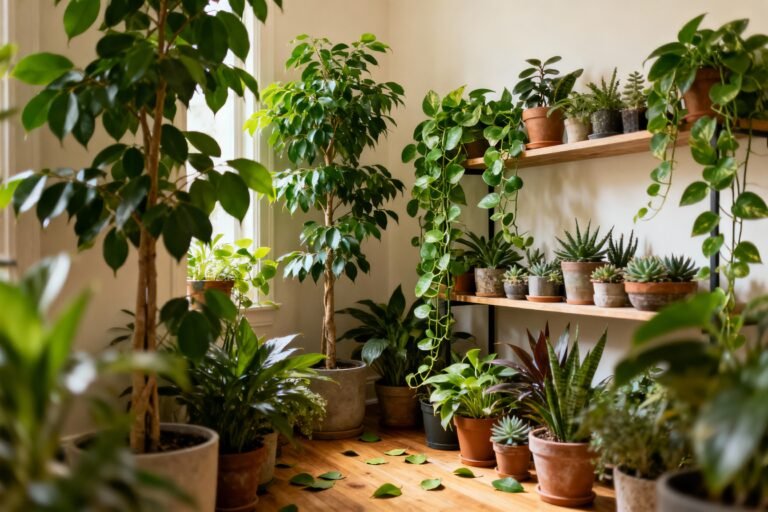
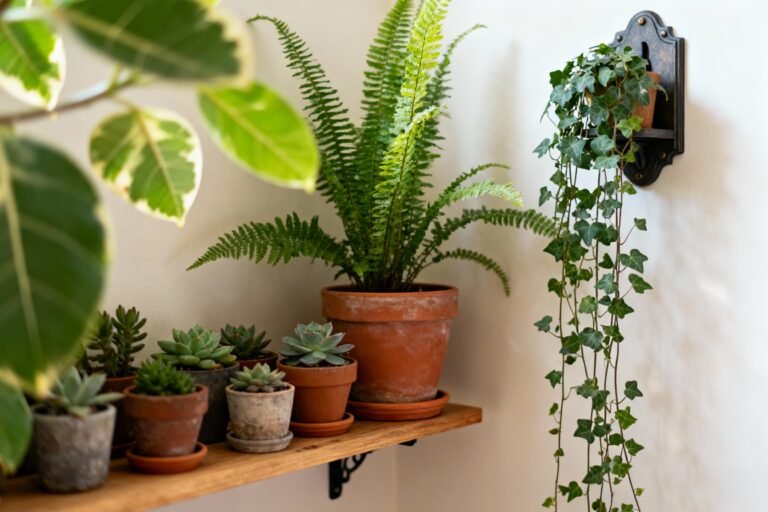
Plants make their own microclimate. Group your Monstera with other tropicals—Calatheas, Philodendrons, and ferns—to raise humidity a few points without much effort. How to set it up:
- Cluster 3–5 plants together on a shelf or stand.
- Keep them a few inches apart for airflow (we’re not crowding a subway car here).
- Add a small fan on low nearby to prevent stale air.
3) Pebble Trays Actually Work (When Done Right)
People love to roast pebble trays, but they do help—just don’t expect miracles. Place a shallow tray with pebbles + water under your plant (not touching the pot’s base).
As water evaporates, humidity bumps a little. Make it effective:
- Use a wide tray for more surface area.
- Top up water as it evaporates.
- Pair with grouping or a humidifier for best results.
4) Misting: Friend or Fad?
Misting feels good, like spritzing your face with rose water. But it raises humidity for minutes, not hours. If you enjoy it, go for it—just don’t rely on it. If you mist, do it safely:
- Mist in the morning so leaves dry by night.
- Aim for undersides of leaves (that’s where stomata live).
- Avoid misting if your space already sits around 70%+ or airflow stays poor.
5) Fix the Real Villain: Dry Air from HVAC
Heating and AC zap moisture.
If your Monstera sits near a vent, it suffers. Move it 3–6 feet away from vents, heaters, fireplaces, or radiators. Pro moves:
- Use magnetic vent deflectors to redirect airflow.
- Seal drafty windows with weatherstripping in winter.
- Run a small oscillating fan on low for gentle air movement without drying everything out.
6) Room Choice Matters More Than You Think
Some rooms naturally hold moisture. Bathrooms and kitchens usually sit higher on the humidity chart, while bedrooms and living rooms run drier. Strategic placement:
- Put your Monstera in the brightest, most humid room.
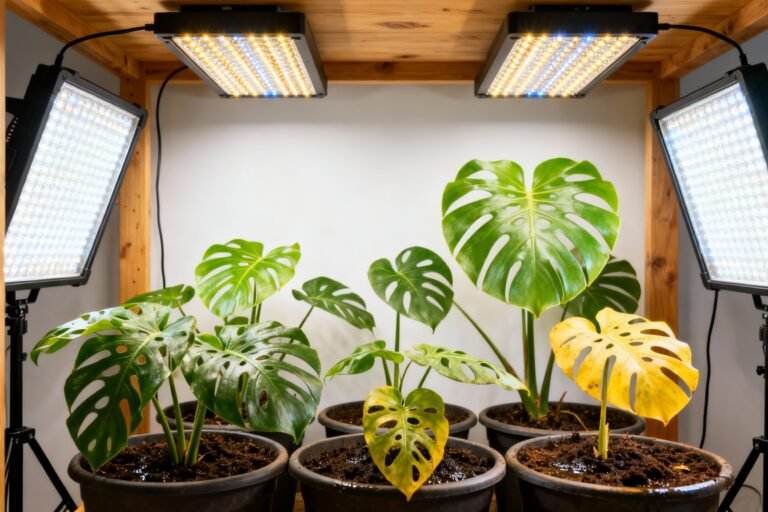
- Not enough light?
Add a grow light to balance it out.
- Avoid cold windows and drafty doors—humidity drops with temperature swings.
Light + Humidity = Power Couple
Moderate humidity won’t save a plant in terrible light. Aim for bright, indirect light. If your Monstera leans or produces small leaves, that’s a light problem, not a humidity one (IMO).
7) Watering Style Affects Humidity
Consistent, correct watering keeps leaves hydrated from the inside.
Overwatering doesn’t increase humidity; it just invites root rot. Underwatering leads to crispy tips that mimic low humidity symptoms. Watering checklist:
- Water when the top 2–3 inches of soil feel dry.
- Use a chunky, airy mix so roots breathe.
- Empty saucers so water doesn’t stagnate.
The Soil Mix Humidity Hack
Add coconut coir or sphagnum moss to your mix to hold moisture without suffocating roots. This doesn’t increase room humidity, but it keeps the plant’s environment balanced.
Think: less drama between waterings.
8) Cover More Ground with Terrariums and Tents (Temporary Boosts)
You can temporarily raise humidity with a clear prop box, large cloche, or plant tent—especially for new cuttings or rehab cases. Just don’t trap stale air. How to do it right:
- Vent daily to prevent mold.
- Keep temps steady (65–80°F works great).
- Use this as a short-term tool, not a forever home.
9) Keep Air Moving—Yes, Even in Humid Rooms
High humidity without airflow equals fungal fun time. Your Monstera prefers a gentle breeze.
Think spa day, not wind tunnel. Airflow basics:
- Use a circulation fan on the lowest setting, not pointed directly at leaves.
- Space plants a few inches apart.
- Dust leaves monthly so pores stay open (FYI, shiny leaves also absorb light better).
Reading the Leaves: What Your Monstera Tries to Tell You
Your plant constantly reports back. You just need to listen.
- Brown, crispy tips: Humidity too low or inconsistent watering.
- Yellowing + soggy soil: Overwatering, not humidity.
- Droopy leaves: Thirst or cold drafts.
- Small, un-fenestrated leaves: Not enough light (humidity won’t fix this alone).
<
Weekly Humidity Routine (Quick and Doable)
- Check the hygrometer twice a day.
- Run the humidifier as needed to stay around 60–70%.
- Refill pebble trays and group plants if numbers dip.
- Wipe leaves, rotate the pot, and check soil moisture.
FAQ
Will a humidifier make my house moldy?
Not if you keep humidity under 70% and use airflow. Mold loves stagnant, damp corners.
Use a hygrometer, aim fans away from walls, and crack a window occasionally. Balance beats extremes.
Is misting enough for my Monstera?
Nope. Misting offers a fleeting boost—great for you, minimal for the plant.
Use it as a feel-good add-on, not your main strategy. A humidifier or grouping plants works far better, IMO.
Do Monsteras need humidity if I already water well?
Yes. Watering hydrates roots; humidity helps leaves regulate moisture.
Both matter. When you dial in both, you get bigger leaves and prettier fenestrations. It’s a team effort.
Can I keep a Monstera in a bathroom?
Usually yes, if it gets enough light.
Bathrooms run humid after showers, which Monsteras love. If the bathroom stays dim, add a grow light or move the plant to a brighter room and use a humidifier instead.
Why are only the leaf tips browning?
That’s classic low humidity or erratic watering. Increase humidity to 60–70%, water consistently, and make sure your potting mix drains well.
Also check for hot air from vents that dries tips fast.
What’s the cheapest way to increase humidity?
Group plants, use pebble trays, and choose a smaller room. Those three together can add 5–10%. If your home runs desert-dry in winter, a budget humidifier still gives the best bang for your buck.
Conclusion
Healthy Monstera leaves come from the basics: steady 60–70% humidity, decent airflow, bright light, and consistent watering.
Mix and match the nine methods above to fit your space and lifestyle. Track your numbers, tweak as you go, and enjoy those big, glossy leaves. Your Monstera will thank you by turning your home into the jungle you pretend you don’t want.