8 Best West Facing Window Plants To Brighten Any Room
West-facing windows serve warm, late-day sunshine with a side of drama. They don’t crank out harsh noon rays like south-facing ones, but they still deliver strong light that many plants adore. If you’ve got a west window and a desire to turn your room into a mini jungle, you’re in luck.
Let’s match that golden-hour glow with plants that thrive, not just survive.
Why West-Facing Windows Are Plant Gold
West windows get bright, indirect light in the morning and stronger, direct sun in the afternoon. That combo mimics many plants’ native habitats—bright but not scorching all day. Key perks:
- Brighter afternoons: Perfect for plants that love some direct sun but not a full-on desert vibe.
- Color and blooms pop: Variegation and flowering often improve with a bit of afternoon sun.
- Flexible placement: You can put sun-lovers close to the glass and shade-tolerant plants a few feet back.
8 Best Plants for West-Facing Windows
1) Hoya (Wax Plant)
Hoyas eat up bright light and reward you with thick, glossy leaves and clusters of starry blooms. Afternoon sun helps them flower, IMO.
Keep them near the window but not pressed against scorching glass. Care quick hits:
- Light: Bright, some direct sun
- Water: Let the top 1-2 inches dry out
- Bonus: Trailing vines = instant drama
2) Jade Plant (Crassula ovata)
This succulent thrives in bright, western light and can turn edges pink or red with enough sun. It’s basically a living bonsai that says, “I like attention, but not too much water.” Care quick hits:
- Light: Bright, direct sun is fine
- Water: Infrequent; let it dry thoroughly
- FYI: Use a gritty, fast-draining soil
3) Croton (Codiaeum variegatum)
Want color? Crotons deliver electric reds, oranges, and yellows that intensify with strong light.
Without enough sun, they sulk and drop leaves. Drama queen? Absolutely.
Worth it? Also yes. Care quick hits:
- Light: Bright with some direct sun
- Water: Keep evenly moist, never soggy
- Humidity: Higher is better to prevent leaf drop
4) Snake Plant (Dracaena trifasciata)
West light brings out bolder variegation and faster growth, but snake plants won’t complain in lower light either. They’re tough, sculptural, and clean your air a bit—like living decor with a side of “I require nothing.” Care quick hits:
- Light: Low to bright; tolerates direct sun
- Water: Infrequent; let soil dry
- Soil: Well-draining, cactus mix works
5) Zebra Plant (Haworthiopsis fasciata/attenuata)
These petite succulents love bright light but appreciate a bit of afternoon shade if your window turns blazing.
They pair perfectly with small sills and cute pots—yes, it matters. Care quick hits:
- Light: Bright indirect to a touch of direct
- Water: Sparingly; avoid soggy soil
- FYI: Great starter succulent
6) Rubber Plant (Ficus elastica)
Rubber plants hold their own in west windows, especially variegated types like ‘Tineke’ and ‘Ruby.’ The light keeps colors crisp and growth upright. Give them space—they can get tall. Care quick hits:
- Light: Bright, tolerates afternoon sun
- Water: Let the top inch dry; don’t overdo it
- Clean leaves: Dust blocks light and slows growth
7) Pelargoniums (Geraniums)
You want blooms? Geraniums love sunny windows and will flower their little hearts out with good afternoon light.
Snip spent blooms and watch them keep going. Care quick hits:
- Light: Bright with direct afternoon sun
- Water: Let the top inch dry; don’t waterlog
- Fertilizer: Light feed during active growth
8) String of Pearls (Senecio/Curio rowleyanus)
This trailing succulent thrives with bright light and a little direct sun, and it looks spectacular cascading from shelves near west windows. Overwater it and you’ll have a mushy mess, so resist. Care quick hits:
- Light: Bright, some direct sun
- Water: Thorough but infrequent; let it dry well
- Pot: Shallow container with great drainage
Dialing In Light and Placement
Even in the same window, light changes fast. Closer to the glass = stronger rays and heat.
A foot or two back = bright but gentler light. General placement tips:
- Sun-lovers (Jade, Geranium, Hoya): Within 6-18 inches of the window.
- Moderate light lovers (Rubber Plant, Croton): 1-3 feet back or with sheer curtains.
- Low-maintenance crew (Snake Plant, Zebra Plant): Anywhere bright nearby; avoid direct scorch for small succulents.
Sheer Curtains: Your Secret Weapon
If your west sun hits like a heat lamp in summer, use sheers. They soften harsh rays while keeping things bright. Plants still get quality light, just without the leaf sunburn.
Watering Without Guesswork
Overwatering still kills more plants than under-watering, even with bright light.
West windows dry soil faster, but not every plant wants the same schedule. Simple rules that actually work:
- Succulents: Water only when soil is bone-dry, then soak thoroughly.
- Tropical foliage: Let the top inch dry, then water evenly until it drains.
- Use a moisture meter if you chronically overwater (no shame, FYI).
Soil and Pots Matter
Good drainage solves 80% of problems. Use cactus mix for succulents and a chunky aroid mix for ficus and hoya. Always choose pots with drainage holes—decorative cachepots are fine as long as your plant sits in a nursery pot inside.
Seasonal Tweaks You Should Actually Make
Light changes with the seasons.
In winter, sun sits lower and hits deeper into the room. In summer, it can scorch. Adjust like a pro:
- Summer: Pull delicate plants back a bit or add sheers.
- Winter: Move plants closer to the glass or rotate more often.
- Rotate quarterly: Keeps growth even and prevents leaning.
Common Problems (And Fast Fixes)
Sunburned leaves
Crispy brown patches mean the light hit too hard. Move the plant a foot back or add a sheer curtain.
Trim damaged leaves if needed.
Leggy growth
Stretching equals not enough light. Slide the plant closer or prune to encourage branching. Clean dusty leaves so they can photosynthesize better.
Yellowing from overwatering
Check the roots and soil.
If soggy, repot into fresh, airy mix and water less often. Let the pot drain completely—no saucer baths.
Quick Styling Ideas That Actually Look Good
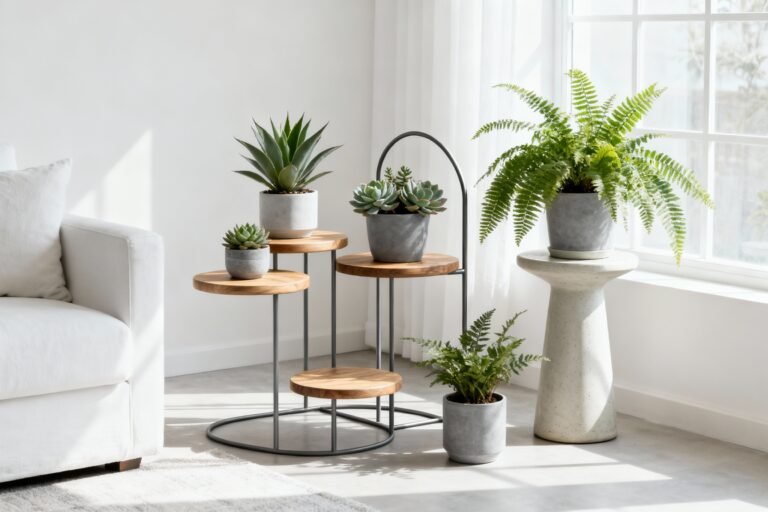
– Use a tiered plant stand to stagger light needs: succulents on top, ficus mid-level, snake plant on the floor. – Hang a String of Pearls or Hoya near the top corner for that “living curtain” vibe. – Pair crotons with neutral pots so the foliage does the talking. – Mix textures: glossy rubber plant leaves next to spiky zebra plant = chef’s kiss.
FAQ
Can I keep cactus in a west-facing window?
Yes, most cactus will love it. Put them right by the glass for maximum sun, but watch for extreme summer heat.
If the window fries eggs, scoot them a few inches back.
Do I need a grow light for a west window?
Usually no. West windows provide plenty of light for the plants listed here. If your room feels dim in winter, a small LED grow bar helps, IMO.
Why are my croton leaves dropping?
Crotons throw tantrums when light changes, drafts hit, or humidity drops.
Keep it consistently bright, avoid cold air, and increase humidity. It should rebound once settled.
How often should I water succulents by a west window?
Wait until the soil dries fully, then water deeply. In warm months, that might be every 1-2 weeks; in winter, every 3-4 weeks.
Always let excess drain off.
Will a sheer curtain ruin my plants’ light?
Nope. Sheers soften harsh rays while keeping light levels high. They actually help many plants avoid sunburn, especially in summer.
Do west windows work for variegated plants?
Absolutely.
Variegated hoya and rubber plants look sharper with strong light. Just avoid all-day, unfiltered summer sun right against the glass.
Wrap-Up: Your Golden-Hour Dream Team
West-facing windows bring the warmth and brightness many houseplants crave. Load the sill with hoyas and geraniums, anchor the floor with a rubber plant or snake plant, and sprinkle in a jade or zebra plant for character.
Tweak placement, go easy on the watering can, and use sheers when the sun turns feral. Do that, and your room won’t just look brighter—it’ll feel alive.