7 Low Light Indoor Trees That Thrive Even In Shaded Rooms
House plant heartbreak is real. You bring home a gorgeous tree, park it in your moody living room, and boom—leaf confetti within a week. Good news: plenty of indoor “trees” actually love dim corners and north-facing windows.
If your space leans more cave than greenhouse, these low light champs will still put on a show. Let’s build your shady jungle—no sunburn required.
What “Low Light” Actually Means (So You Don’t Set Yourself Up)
Low light doesn’t mean no light. Think bright enough to read comfortably but without direct sunbeams landing on the leaves.
North-facing rooms, spots a few feet from a window, or spaces with filtered light qualify. Pro tip: If your plant casts a soft shadow most of the day, you’re in the low-to-medium sweet spot. If there’s zero shadow ever, you might need a grow light assist.
1) ZZ Plant (Zamioculcas zamiifolia)
This one is the office MVP for a reason. ZZ plants handle neglect like a champ and shrug off shade like it’s their job.
The glossy leaves bounce what little light they get, so they always look polished. Why it thrives in shade: Thick rhizomes store water and energy, so it doesn’t panic when it gets less light. You’ll see slow, steady growth—even several feet back from a window. Care basics:
- Light: Low to medium; avoid direct sun
- Water: Every 2–4 weeks; let soil dry out fully
- FYI: Yellow leaves = overwatering
Try the Raven ZZ
The ‘Raven’ variety grows deep, almost black foliage. It looks dramatic in low light and hides dust like a pro.
IMO, it’s the goth queen of indoor plants.
2) Cast Iron Plant (Aspidistra elatior)
If you forget you own plants, start here. The cast iron plant truly tolerates neglect, drafts, and low light without sulking. It’s slow-growing, but it lasts for years and stays upright and tidy. Care basics:
- Light: Low to medium; thrives away from windows
- Water: Every 2–3 weeks; keep soil lightly moist to dry
- Bonus: Pet-friendly-ish?
Not officially toxic, but don’t let pets snack
Common issue: Dust
Leaves collect dust easily. Wipe them monthly with a damp cloth so they can breathe and soak up whatever light they get.
3) Parlor Palm (Chamaedorea elegans)
This classic indoor palm earned its name in Victorian parlors—aka dim rooms with heavy drapes. It brings soft, feathery fronds and grows into a compact indoor tree over time. Why it’s great: It tolerates lower light better than most palms and stays manageable in size.
No need for a mansion with skylights. Care basics:
- Light: Low to medium; no direct sun
- Water: Keep evenly moist; don’t let it sit soggy
- Humidity: Appreciates a little extra, but doesn’t demand it
4) Corn Plant (Dracaena fragrans)
Tall, cane-like stems and striped leaves make the corn plant look like a legit indoor tree. It handles shade like a pro and adds height without fuss. Care basics:
- Light: Low to medium; variegated types need a bit more light
- Water: When top inch dries; go easy, it hates wet feet
- FYI: Fluoride in tap water can brown the tips—use filtered if you can
Styling tip
Cluster two or three canes of different heights in one pot for an instant “mini-forest” vibe. It looks curated, even if you winged it.
5) Chinese Evergreen (Aglaonema)
Aglaonema nails that lush, tropical look in spaces that don’t get much sun.
Some varieties stay deep green and thrive in shade; others sport pink or silver flecks and prefer brighter, indirect light. Care basics:
- Light: Low to medium; darker varieties = lower light tolerance
- Water: When the top 1–2 inches dry out
- Bonus: Excellent air purifier and generally easygoing
Pick the right variety
Choose solid or darker green types for low light. If you want flashy pinks and whites, give them a brighter spot or they’ll fade.
6) Rubber Plant (Ficus elastica)
You want a proper “tree” for the living room? Rubber plants deliver.
They tolerate lower light better than fiddle leaf figs (and without the drama), but they’ll grow slower in shade. Care basics:
- Light: Low to bright indirect; avoid harsh direct sun
- Water: When top 2 inches feel dry; consistent moisture, not soggy
- Leaf care: Wipe leaves monthly to boost photosynthesis
Color check
If your variegated rubber plant starts going all-green, it wants more light. If you’re cool with the darker look, no problem. If not, move it closer to a window.
7) Lady Palm (Rhapis excelsa)
Elegant, fan-shaped fronds.
Slow-grower. Super shade-tolerant. The lady palm looks expensive (it often is), but it’s incredibly forgiving and long-lived. Care basics:
- Light: Low to medium; perfect for corners
- Water: Keep lightly moist; never swampy
- Long-term: Repot rarely—every 3–4 years is fine
How to Set Up a Low-Light Winner’s Circle
You can’t ignore the basics and expect miracles.
These quick tweaks make a huge difference in shaded rooms.
- Rotate monthly: Turn pots 90 degrees so the plant grows evenly, not lopsided toward the window.
- Use light-colored walls or mirrors: Bounce light back onto foliage—free lumens!
- Dust leaves: Clean leaves can absorb more light. It’s a glow-up and a health boost.
- Water less frequently: Shade = slower growth = less thirst. Overwatering kills more plants than low light ever will.
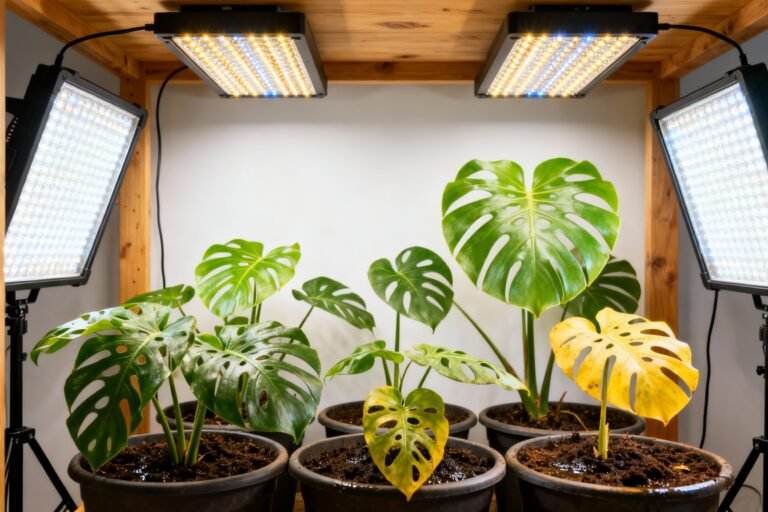
- Supplement with a grow light (optional): A small LED on a timer (8–10 hours) keeps growth steady in truly dim rooms.
Pet Safety and Allergies: Quick Reality Check
Many of these plants can irritate pets or humans if chewed or if sap contacts skin.
If you share space with curious munchers, place plants out of reach or choose safer options.
- More likely to be toxic if ingested: ZZ plant, Chinese evergreen, rubber plant, dracaena
- Generally safer picks: Parlor palm, lady palm, cast iron plant (still, don’t serve them as salad)
FAQs
How do I know if my room counts as “low light”?
Stand in your plant’s spot at noon. Can you read comfortably without turning on a lamp? If yes, you have low to medium light.
If it’s gloomy enough that you want a lamp, consider a grow light or pick the toughest plants on this list (ZZ, cast iron, lady palm).
Why do my low-light plants still get leggy?
Even shade-tolerant plants stretch if they want more light. Rotate them, move them a little closer to a window, or add a small LED. Also, check fertilizer—overfeeding can push weak, leggy growth.
Less is more in low light.
How often should I fertilize in low light?
Light equals energy, so growth slows. Feed sparingly—about once a month in spring and summer with a diluted, balanced liquid fertilizer. In fall and winter, pause feeding.
IMO, overfertilizing causes more drama than it’s worth.
Can I put these plants in a windowless bathroom?
If the door stays open and another room’s window shares some ambient light, maybe. If it’s truly windowless and closed most of the time, use a grow light. Even the hardiest plants can’t photosynthesize in a literal dungeon.
Why are leaf tips browning?
Common culprits: overwatering, underwatering, or low humidity.
In low light, err on the dry side and water thoroughly only when the top inch or two dries. If your tap water runs hard or fluoridated, switch to filtered or let it sit overnight before watering—dracaenas especially say thanks.
Which one grows fastest in low light?
“Fast” is relative in shade. Parlor palm and Chinese evergreen usually show the most consistent growth.
For super low maintenance with slow but reliable progress, pick ZZ or cast iron. FYI, rubber plants speed up if you bump them to medium light.
Final Thoughts: Build Your Shade Squad
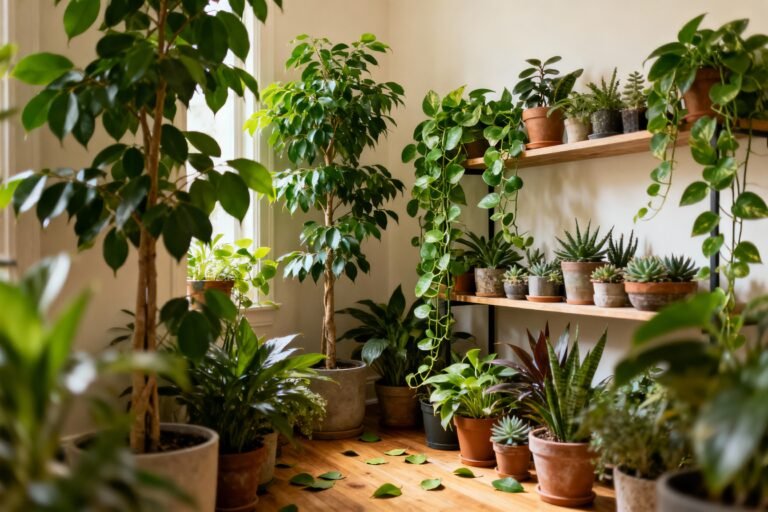
You don’t need floor-to-ceiling windows to grow an indoor forest. Mix heights and textures—corn plant for height, parlor palm for airiness, ZZ for glossy structure, and Chinese evergreen for color.
Keep watering conservative, dust those leaves, and rotate monthly. Your shady room just turned into a vibe, and yes, your plants will actually live to tell the tale.